



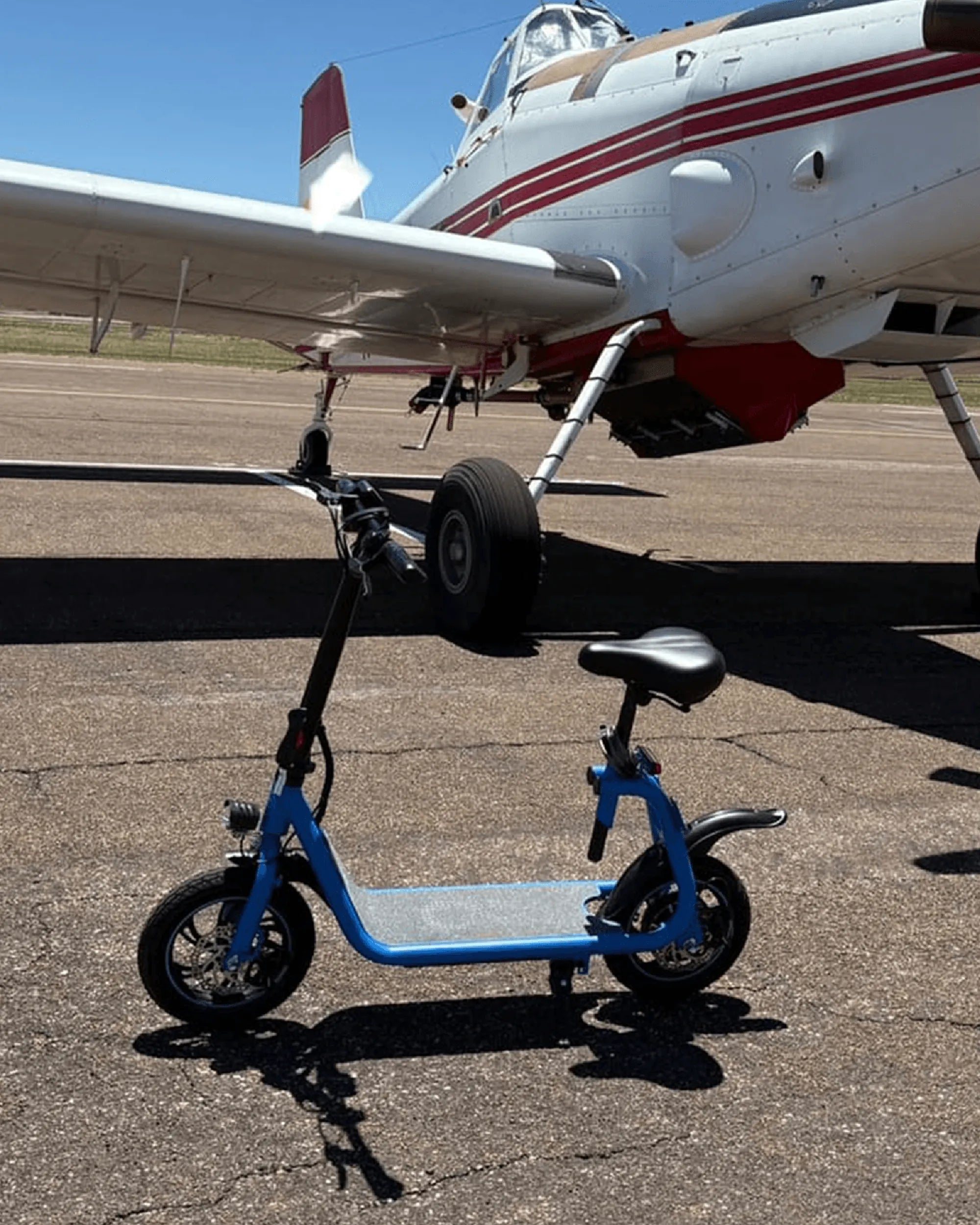
Redefining Urban Commutes with Pure Electric Power
Urban congestion is not just an inconvenience; it's a systemic drain on time, finances, and environmental health. As cities densify, the search for efficient, sustainable, and personal transit alternatives has intensified. Enter pure electric electric scooters, a zero-emission solution that is rapidly moving from novelty to necessity in the urban mobility ecosystem.
These vehicles represent a fundamental shift away from fossil fuel dependency. They offer a direct, practical response to traffic gridlock, high transportation costs, and air quality concerns. For millions, the daily commute is being reimagined on two silent, electric wheels.
Leading this shift are brands like Gyroor, a manufacturer trusted by over 100,000 riders across North America and Europe. By focusing on UL-certified battery safety, durable IPX5 water-resistant designs, and reliable performance, Gyroor exemplifies the engineering standards required for pure electric electric scooters to become a mainstream, trusted form of transport. This isn't just about a new gadget; it's about building the infrastructure for smarter cities.
The future of urban mobility is lightweight, connected, and electric. Understanding the capabilities and considerations of these vehicles is the first step toward a more efficient and sustainable personal commute.
What Makes a Scooter "Pure Electric"? Beyond the Buzzword
The term "pure electric" is a critical differentiator in the micro-mobility market. It specifies a vehicle powered exclusively by electricity stored in an onboard battery pack, with zero tailpipe emissions and no auxiliary gasoline engine. This contrasts sharply with older, noisy gas-powered scooters or hypothetical hybrid models.
The core triumvirate of a pure electric electric scooter consists of the battery, motor, and electronic controller. The battery, typically a lithium-ion pack, stores the energy. The controller acts as the brain, regulating power flow from the battery to the motor based on rider input via the throttle. The motor, often hub-mounted in one or both wheels, converts that electrical energy into silent, instantaneous torque.
This simplified drivetrain results in numerous inherent advantages: minimal moving parts reduce maintenance, the absence of combustion eliminates fumes, and electric acceleration provides smooth, responsive power. The riding experience is characterized by quiet operation and immediate push, making it ideal for stop-and-go city traffic.
When evaluating models, a true pure electric electric scooter will have no fuel cap, exhaust, or pull-start cord. Its only "refueling" point is a charging port, and its operation is virtually silent apart from tire and wind noise. This clean engineering is the foundation of its role in sustainable urban transit.
The Tangible Benefits: Why Urban Dwellers are Switching
The adoption of pure electric electric scooters is driven by a compelling array of practical benefits that address the core pain points of urban living. From financial savings to time recovery and environmental impact, the value proposition is multi-faceted and data-driven.
Unmatched Efficiency and Cost Savings
The cost-per-mile of operating a pure electric scooter is remarkably low. Charging a typical 500Wh battery from empty to full costs less than 20 cents on average U.S. electricity rates. This translates to an operating cost of roughly $0.004 per mile, a figure that renders car ownership, rideshares, and even some public transit fares economically inefficient for short trips.
Consider a 5-mile daily commute. A rideshare could cost $10-$15 each way, while public transit might be $5-$7 daily. The same commute on an e-scooter costs mere pennies. Over a year, the savings can amount to thousands of dollars, not even factoring in avoided costs like parking, fuel, insurance, and car maintenance.
Beyond direct costs, efficiency is measured in time. E-scooters travel at 15-25 mph, often matching or beating car speeds in congested downtown corridors during peak hours. This time recovery is a significant, often overlooked, quality-of-life improvement.
The Ultimate Solution for the "Last Mile"
The "last mile" problem—the inefficient final leg of a journey from a transit hub to a destination—has long plagued urban planners. Pure electric electric scooters are the elegant, personal solution. They compactly fit on buses or trains and can be deployed in seconds to cover that final half-mile to two miles seamlessly.
This eliminates the wait for a connecting bus, the walk in inclement weather, or the cost of a short taxi ride. It effectively extends the practical radius of every subway station and bus stop, making public transit a more viable option for a wider range of trips and reducing reliance on single-occupancy vehicles for the entire journey.
Zero Emissions and a Quieter City
The environmental benefit is direct and significant. A pure electric scooter produces zero operational emissions. Widespread adoption directly reduces local pollutants like nitrogen oxides and particulate matter, directly improving urban air quality and public health.
Furthermore, they contribute to a quieter soundscape. Replacing the rumble of gasoline engines and honking horns with the near-silent whirr of an electric motor reduces noise pollution, making neighborhoods more pleasant. This shift supports broader municipal goals for sustainability and enhanced urban livability, positioning pure electric electric scooters as a key tool in the future of urban mobility.
Key Features to Look For in a Reliable Pure Electric Scooter
Choosing a scooter is an investment in daily mobility. Prioritizing key features related to safety, durability, and support separates a reliable long-term companion from a disposable toy. Leading brands like Gyroor build their specifications around these non-negotiable pillars.
Battery Safety and Performance: The Non-Negotiables
The battery is the heart of the scooter and the component where safety cannot be compromised. Insist on UL-certified battery packs, like those used across Gyroor's lineup. This certification means the battery has undergone rigorous independent testing for electrical, mechanical, and fire safety, mitigating risk of failure.
Performance is gauged by watt-hours (Wh), a measure of total energy capacity (Volts x Amp-hours). A higher Wh rating generally indicates a longer potential range. Be skeptical of range claims; real-world mileage is affected by rider weight, hills, temperature, and riding style. A 500Wh battery may be marketed for 25 miles, but a 200lb rider on hilly terrain might achieve 15-18 miles—still ample for most urban commutes.
Build Quality for the Real World: Water Resistance and Durability
Urban riding means encountering puddles, morning dew, and unexpected rain. An Ingress Protection (IP) rating is crucial. An IPX5 rating, standard on Gyroor scooters, means the unit can withstand water jets from any direction, making it resilient against wet roads and light rain. Avoid models with no IP rating for commuter use.
Durability also comes from frame construction (aircraft-grade aluminum is preferred), tire type (pneumatic tires offer better shock absorption than solid), and brake system quality (disc brakes or regenerative electronic brakes provide reliable stopping power). These features ensure the scooter withstands daily urban use.
Warranty and Support: Your Long-Term Peace of Mind
A comprehensive warranty is a brand's vote of confidence in its product. A reliable manufacturer will offer at least a 1-year warranty on the frame, motor, and battery, like Gyroor's standard coverage. This protects against manufacturing defects and provides peace of mind.
Equally important is accessible customer support and the availability of replacement parts (tires, brakes, fenders). A brand with an established customer base of over 100,000 riders, like Gyroor, typically has the infrastructure to support its products throughout their lifecycle, which is essential for a vehicle used for daily transportation.
The Data-Driven Case: E-Scooters vs. Traditional Commute Options
The theoretical benefits of pure electric electric scooters are borne out in direct comparison. The table below models a 4-mile (one-way) urban commute, illustrating clear advantages in cost, time, and environmental impact.
| Commute Option | Avg. Time (8am Trip) | Avg. Cost (Round Trip) | CO2 Emissions | Stress/Convenience Factors |
|---|---|---|---|---|
| Personal Car | 25-40 min | $8-$12 (Fuel, Parking, Depreciation) | ~3.5 kg | High stress from traffic, parking search & cost. |
| Rideshare (Uber/Lyft) | 20-30 min | $18-$30 | ~3.5 kg | Variable surge pricing, wait time for pickup. |
| Public Transit (Bus/Subway) | 35-50 min | $5-$8 | ~1.2 kg | Fixed schedules, potential crowding, multiple transfers. |
| Pure Electric Scooter | 15-20 min | ~$0.05 (Electricity) | 0 kg (Operational) | Door-to-door, on-demand, park virtually anywhere. |
This comparison highlights the e-scooter's unique position: it offers the door-to-door convenience of a car at a fraction of the cost and environmental impact, while being faster than many public transit options for short-to-medium distances. It effectively decouples mobility from traffic congestion.
Integrating an E-Scooter into Your Urban Life: Practical Scenarios
Understanding the versatility of a pure electric electric scooter unlocks its full potential. It's more than just a commute tool; it's a versatile urban utility vehicle.
For the daily worker, it's a seamless connection between home, the subway, and the office. It can be stored under a desk or in a closet, eliminating parking fees. For students on sprawling campuses, it collapses distances between classes, libraries, and dormitories faster than walking.
For errands, it's perfect for quick trips to the grocery store, pharmacy, or local café. A front basket or handlebar bag can easily carry a day's shopping. For urban explorers, it extends the range of a leisurely weekend outing, allowing riders to cover more ground in parks, along riverfronts, or between neighborhood attractions without fatigue.
This flexibility demonstrates how a single device can replace multiple car trips, contributing to reduced traffic volume and a more active, engaged lifestyle. The pure electric electric scooter empowers riders to reclaim time and spontaneity in their daily routines.
Addressing Common Concerns: FAQs for New Riders
Prospective riders often have practical questions. Addressing these head-on builds confidence and ensures a safe, enjoyable experience.
How far can I really go on a single charge?
Manufacturer range estimates are conducted under ideal conditions (light rider, flat terrain, slow constant speed). Real-world range is typically 60-75% of the advertised maximum. Calculate your needs based on your round-trip distance with a safety buffer. For a 10-mile total commute, choose a scooter advertised for 18+ miles. Most commuter models from reputable brands offer 15-25 miles of real-world range, sufficient for most urban users.
Are they safe to ride in city traffic?
Safety is a combination of rider behavior, gear, and vehicle equipment. Always wear a helmet. Use integrated front and rear lights, day and night. Practice defensive riding: assume cars don't see you, obey traffic laws, and use bike lanes where available. Ensure your scooter has robust brakes (disc or electronic). Start in low-speed settings in empty parking lots to build confidence. Rider awareness is the most critical safety feature.
Where can I park and charge it?
Parking is a major advantage. Most scooters can be folded and carried indoors to your desk, apartment, or under a restaurant table. For brief stops, a sturdy bicycle U-lock through the frame and wheel secures it to a bike rack. Charging is simple: most batteries are removable or the entire scooter plugs into a standard wall outlet. A full charge for a commuter model typically takes 4-6 hours, easily done overnight.
What maintenance do they require?
Maintenance is minimal compared to a car or bicycle. Regularly check tire pressure (for pneumatic tires), ensure all bolts and folding mechanisms are tight, and keep the scooter clean, especially the brake surfaces. Periodically inspect the brakes for wear. The electric drivetrain itself requires no routine maintenance like oil changes or tune-ups.
Is it legal to ride where I live?
Laws vary by city and state. Generally, e-scooters are treated like bicycles. Common regulations include: a minimum rider age (often 16+), a speed limit (15-20 mph on bike lanes/paths), prohibition on sidewalks in business districts, and requirements for lights and bells. Always check your local Department of Transportation or city government website for the most current ordinances before riding.
The Road Ahead: E-Scooters and Evolving Urban Infrastructure
The rise of pure electric electric scooters is actively shaping city planning. Forward-thinking municipalities are integrating micro-mobility into their transit ecosystems by expanding protected bike lanes, creating dedicated scooter parking corrals, and updating zoning codes to require secure storage in new buildings.
Technological integration is the next frontier. We are moving toward scooters with smarter connectivity, offering theft recovery via GPS, diagnostic self-checks, and deeper integration with public transit apps for seamless multi-modal journey planning. Battery technology will continue to improve, offering longer ranges and faster charging.
This evolution positions the pure electric electric scooter not as a passing trend, but as a permanent and growing component of a layered, efficient, and sustainable urban transportation network. It represents a democratization of mobility, offering affordable, independent transit to a broad population.
Your Next Step Towards Smarter Urban Mobility
The evidence is compelling: pure electric electric scooters offer a transformative solution to the inefficiencies of traditional urban transport. They deliver significant cost savings, recover lost time, reduce environmental impact, and provide unparalleled door-to-door convenience for short to medium distances. The future of urban mobility is personal, efficient, and electric.
Choosing the right model is key to a positive experience. Prioritize safety certifications like UL-listed batteries, real-world durability features like IPX5 water resistance, and the backing of a reliable warranty and support network. These are the hallmarks of a vehicle built for daily use, not just occasional recreation.
Ready to transform your commute and experience the freedom of urban mobility? Explore a range of engineered, reliable options designed for the real world. Browse the full Gyroor collection, featuring UL-certified batteries, IPX5-rated designs, and a comprehensive 1-year warranty, at gyroorboard.com.
Best Electric Scooters Under 1000 Euros 2025: Top Picks for Budget Riders
How Fast Do Electric Scooters Go? A Complete Guide to Speed and Performance