



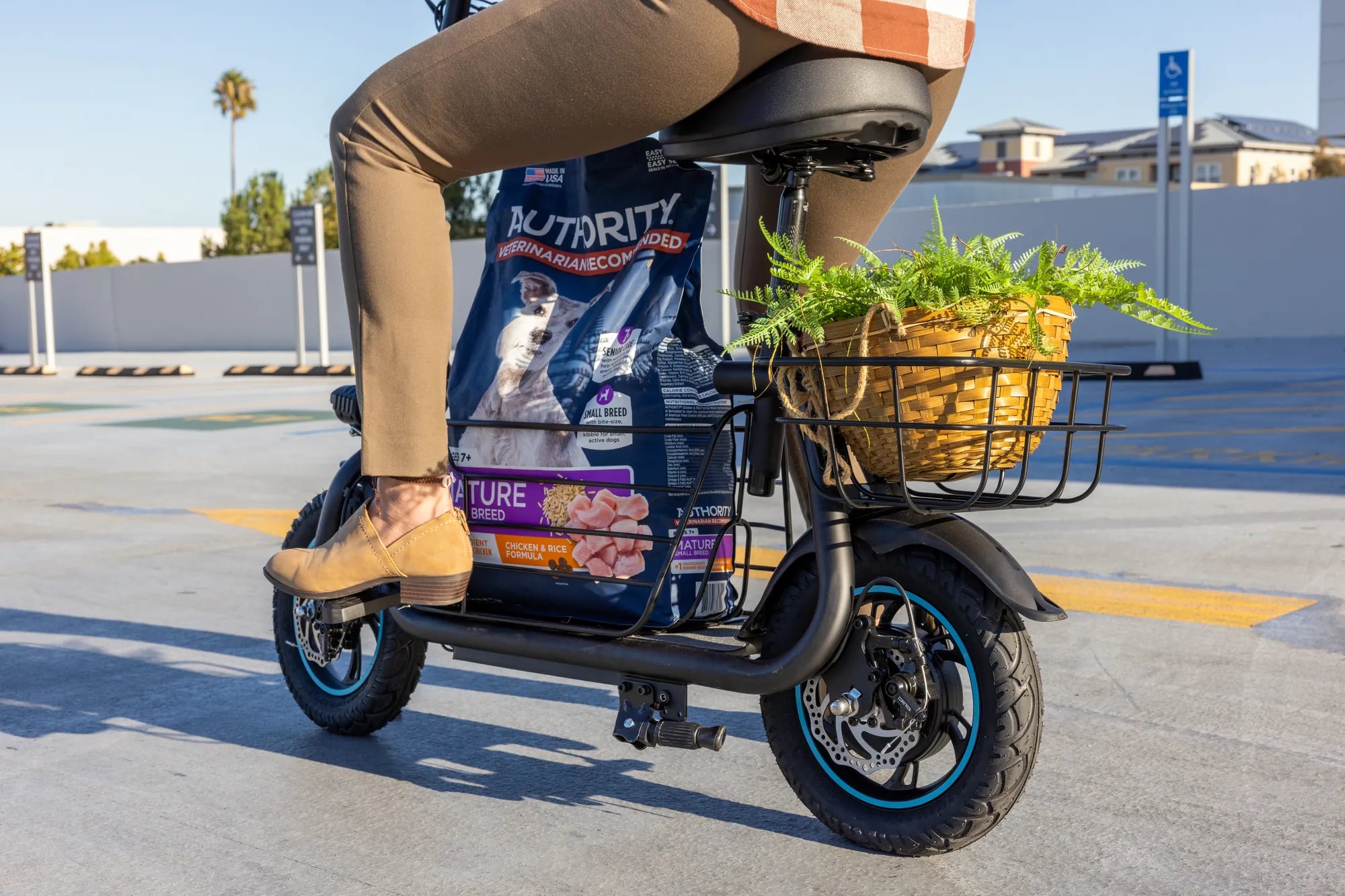
Imagine zipping through city streets with the wind in your hair, effortlessly gliding past traffic jams while leaving zero emissions behind. Pure electric scooters are transforming urban mobility, offering a blend of speed, convenience, and sustainability that’s hard to beat. Whether you’re a daily commuter or a weekend explorer, the thrill of riding a high-speed electric scooter is unmatched. But what exactly makes these machines so fast, and how do they stack up against traditional transportation? Let’s dive into the world of pure electric scooter speed and uncover the secrets behind their growing popularity.
The Mechanics Behind Pure Electric Scooter Speed
At the heart of every pure electric scooter lies its motor, the powerhouse responsible for its speed. Unlike gas-powered scooters, electric models rely on a battery-powered motor that delivers instant torque, allowing for rapid acceleration. The speed of an electric scooter is typically measured in miles per hour (mph) or kilometers per hour (km/h), with top-tier models reaching speeds of up to 60 mph or more. However, most commuter-friendly scooters cap out at around 25-30 mph to comply with local regulations.
Factors Influencing Electric Scooter Speed
Several key factors determine how fast a pure electric scooter can go:
- Motor Power: Measured in watts (W), higher wattage generally translates to greater speed. Scooters with motors ranging from 250W to 2000W are common, with the latter offering blistering acceleration.
- Battery Capacity: A larger battery not only extends range but also supports higher speeds by delivering consistent power to the motor.
- Weight and Load: Heavier riders or additional cargo can reduce top speed, as the motor has to work harder to maintain performance.
- Terrain: Flat, smooth surfaces allow for optimal speed, while uphill climbs or rough terrain can slow things down.
The Role of Regulations in Electric Scooter Speed
While pure electric scooters are capable of impressive speeds, local laws often impose limits to ensure safety. In many urban areas, electric scooters are restricted to speeds of 15-25 mph, especially when used on bike lanes or sidewalks. Riders should always check their local regulations to avoid fines or penalties. Some scooters come with adjustable speed settings, allowing users to switch between eco-friendly modes for crowded areas and full-throttle modes for open roads.
Safety Considerations at High Speeds
Speed is exhilarating, but it also demands responsibility. Riding a pure electric scooter at high speeds requires proper safety gear, including a helmet, knee pads, and reflective clothing. Additionally, riders should be mindful of road conditions, pedestrian traffic, and weather factors like rain or wind, which can affect stability. Many high-speed scooters now feature advanced braking systems, such as disc or regenerative brakes, to ensure quick and safe stops.
The Future of Pure Electric Scooter Speed
As technology advances, so does the potential for even faster and more efficient electric scooters. Innovations in battery technology, such as solid-state batteries, promise longer ranges and quicker charging times, while lightweight materials like carbon fiber could reduce overall weight and boost speed. Autonomous features, such as collision detection and adaptive cruise control, may also become standard, making high-speed riding safer than ever.
The era of pure electric scooter speed is just beginning, and it’s clear that these nimble machines are here to stay. Whether you’re chasing the thrill of speed or simply seeking a greener way to commute, electric scooters offer a perfect blend of performance and practicality. So why wait? Strap on your helmet, hit the throttle, and experience the future of urban mobility today.
Can We Carry Electric Scooter in Flight? A Complete Guide
How to Ride an Electric Scooter with a Seat: A Complete Guide for Beginners