



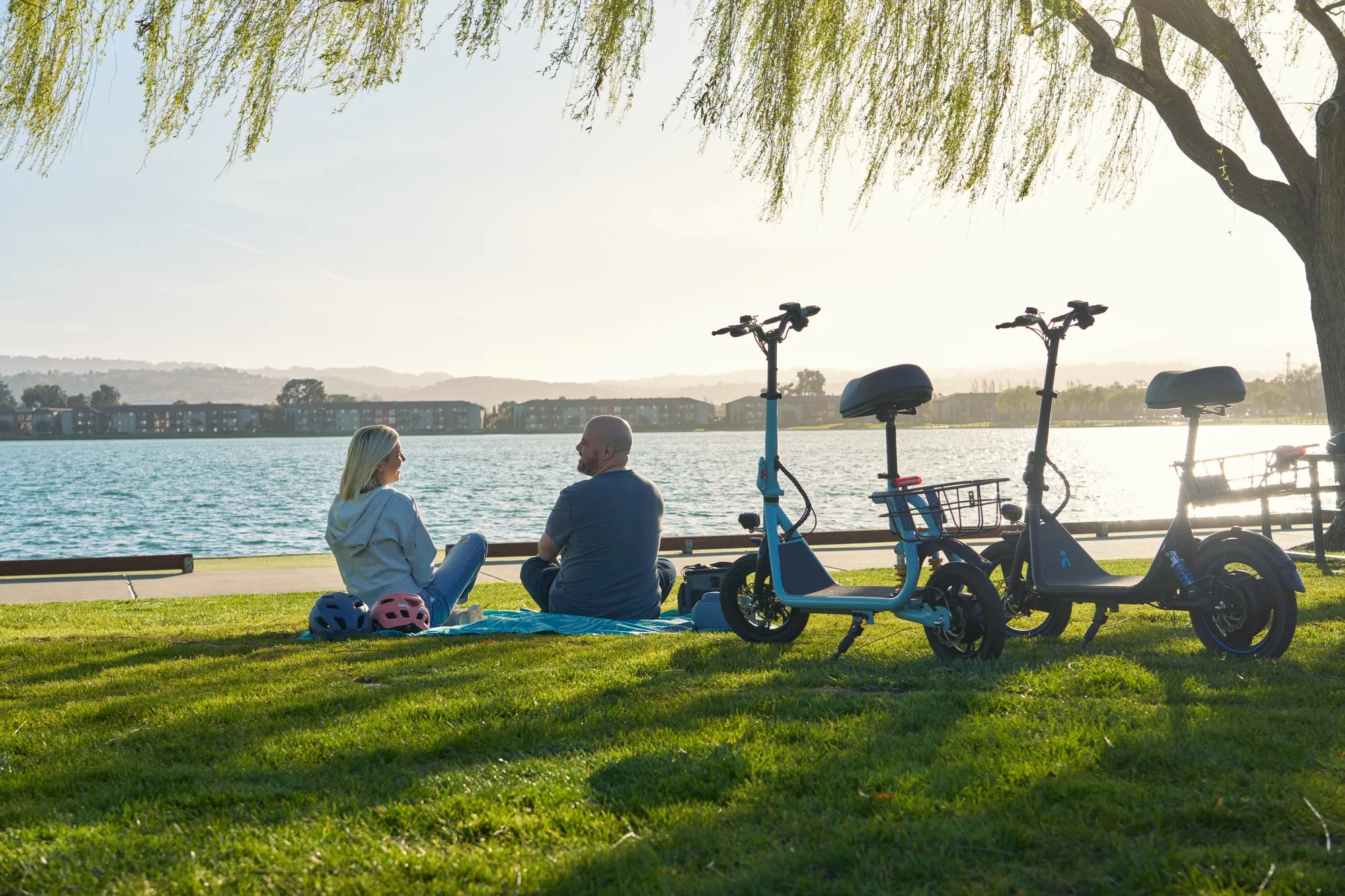
Introduction: Redefining the Daily Commute with Real Electric Power
Forget the toy-like gadgets of yesteryear. Real electric scooters represent a fundamental shift in personal urban transportation. These are high-performance, reliable, and safe personal electric vehicles (PEVs) engineered for daily use, offering a viable alternative to cars and public transit for millions. This article will define the critical specifications that separate serious transportation tools from novelties, analyze their tangible impact on urban mobility and the environment, and provide a comprehensive guide to choosing the right model for your needs. We will explore how real electric scooters are not just a trend but a cornerstone of sustainable urban infrastructure, reducing congestion, emissions, and commute times.
The term "real electric scooters" signifies a category built on durability, safety, and sufficient performance for practical use. They are characterized by robust motors, long-range batteries, professional-grade construction, and integrated safety systems. This contrasts sharply with underpowered, short-range models that fail in real-world conditions. The future of urban mobility hinges on these capable machines, which empower riders to navigate cities efficiently and cleanly.
Adoption is accelerating as cities grapple with traffic and pollution. Real electric scooters provide a micro-mobility solution that fits seamlessly into multi-modal commutes. They bridge the "last-mile" gap between transit stations and final destinations effectively. Their compact size and instant torque make them ideal for stop-and-go city traffic where cars are least efficient.
Leading brands like Gyroor, trusted by over 100,000 riders across North America and Europe, exemplify this shift. With a focus on UL-certified batteries, IPX5 water-resistant designs, and reliable 1-year warranties, they build vehicles for the real world. The evolution from novelty to necessity is complete, and the data supporting their benefits is compelling.
What Makes an Electric Scooter "Real"? Key Specifications for Serious Riders
Distinguishing a real electric scooter from an inferior product requires examining core engineering benchmarks. Performance, safety, and durability are non-negotiable. These specifications determine whether a scooter can handle daily commutes, variable terrain, and all-weather conditions reliably.
A real scooter is defined by its ability to perform consistently under stress. It must climb moderate hills without stalling, maintain speed over longer distances, and stop predictably. The build quality must withstand daily wear, potholes, and vibrations without compromising structural integrity. These are not disposable gadgets but durable personal vehicles.
Safety is paramount and integrated by design, not an afterthought. This includes powerful lighting for visibility, redundant braking systems, and stable handling at speed. Compliance with emerging local regulations for PEVs is also a marker of a legitimate product designed for integration into public spaces.
Finally, real scooters are backed by legitimate warranties and customer support. A brand that stands behind its product for a full year, like Gyroor's comprehensive 1-year warranty, demonstrates confidence in its manufacturing and engineering. This support protects your investment and ensures long-term usability.
Motor Power & Range: Beyond the Basics
Motor power and range are the most critical performance metrics. A real electric scooter needs sufficient wattage for practical urban travel. Motors under 250W may struggle on inclines or with heavier riders, making them unsuitable for reliable commuting.
For serious urban use, a continuous motor rating of 350W is a practical minimum, with 500W to 1000W+ providing ample power for hills, acceleration, and carrying capacity. Peak power ratings can be higher, but the continuous rating indicates sustainable performance. Torque is equally important for quick starts from stoplights.
Range is often overstated. A real-world range accounts for rider weight, hills, stops, and temperature. A scooter advertised for 25 miles might achieve 15-18 miles in real conditions. Therefore, for a typical 5-10 mile commute, a scooter with a 25+ mile advertised range is essential to ensure you arrive with a buffer.
The heart of range and reliability is the battery. Real scooters use high-quality, brand-name lithium-ion cells managed by advanced Battery Management Systems (BMS). Crucially, batteries should be UL-certified, like those used by Gyroor, indicating they have passed rigorous safety tests for electrical, mechanical, and fire hazards. A UL-certified battery pack, tested for 500+ charge cycles, is a hallmark of a real scooter designed for longevity and safety.
Build Quality & Durability: Built for the Real World
The frame is the scooter's skeleton. Real electric scooters use aircraft-grade aluminum or reinforced steel alloys, offering an optimal strength-to-weight ratio. This construction resists flexing and fatigue from daily use, ensuring precise handling and long-term durability.
Suspension and tires directly impact comfort and control. A basic spring or rubber suspension is insufficient for city streets. Real scooters feature hydraulic or oil-based spring suspension systems that absorb impacts from cracks and potholes. Pneumatic (air-filled) tires provide superior shock absorption and traction compared to solid rubber tires.
Weather resistance is a defining feature. An IP (Ingress Protection) rating indicates resilience against dust and water. An IPX5 rating, standard on Gyroor models, means the scooter can withstand water jets from any direction. This allows riding in rain or through puddles without immediate damage, a necessity for a true all-weather commuter vehicle.
Attention to detail in components—like foldable mechanisms, latch quality, and deck grip tape—also signals build quality. These elements must endure thousands of cycles without failure. A real scooter feels solid and rattle-free when riding, a direct result of precision engineering and quality control.
Safety & Compliance: Non-Negotiable Features
Integrated lighting is a legal and safety requirement for riding at dawn, dusk, or night. A real scooter has a bright front headlight, a rear brake light, and side reflectors. Advanced models include deck lighting or turning signals to increase visibility to other road users.
The braking system must be redundant and powerful. A dual-brake system, combining an electronic (regenerative) brake with a mechanical disc or drum brake, is standard on real scooters. This provides a backup if one system fails and allows for controlled, shorter stopping distances, even on wet surfaces.
Compliance with local laws is essential. This includes adhering to jurisdiction-specific speed limits (often 15-20 mph for public roads), having required lighting, and sometimes requiring a bell or horn. Real scooter manufacturers design with these regulations in mind, offering modes or settings to ensure legal operation.
Finally, rider safety features extend to the display and controls. A clear, bright display showing speed, battery level, and riding mode helps the rider maintain situational awareness. Wide, stable decks and ergonomic handlebars contribute to a secure and confident riding stance, reducing accident risk.
The Tangible Impact: How Real E-Scooters Transform Urban Mobility
The benefits of real electric scooters extend far beyond individual convenience. They present a data-driven solution to systemic urban challenges. By replacing car trips, they reduce traffic congestion, lower greenhouse gas emissions, and decrease demand for parking infrastructure.
Studies from urban planning institutes show that a significant portion of car trips in cities are under three miles. These are ideal distances for e-scooters, which can often complete them faster than a car stuck in traffic. This modal shift has a compound effect on overall traffic flow and city livability.
For the rider, the transformation is personal and financial. Commutes become predictable, enjoyable, and often faster. The mental shift from being a passive driver in traffic to an active navigator on a scooter can significantly reduce commute-related stress. The financial savings, as we will explore, are substantial and immediate.
On a city-wide scale, the proliferation of real electric scooters supports the development of dedicated micro-mobility infrastructure—protected bike lanes, scooter parking corrals, and charging stations. This creates a positive feedback loop, making cities safer and more accessible for all non-car users.
Beating Traffic and Saving Money: A Commuter's Math
The financial argument for a real electric scooter is compelling. Let's break down the cost comparison for a typical 5-mile one-way urban commute (10 miles round trip) over one year, approximately 250 working days.
| Cost Category | Car (Avg. Sedan) | Public Transit (Monthly Pass) | Real Electric Scooter |
|---|---|---|---|
| Upfront Cost | $25,000+ | $0 (fare only) | $600 - $1,500 |
| Fuel/Energy Cost | $0.15/mile ($750/yr) | $100/month ($1,200/yr) | $0.004/mile ($20/yr) |
| Parking Cost | $200/month ($2,400/yr) | $0 | $0 |
| Maintenance & Insurance | $1,200/yr (est.) | $0 | $100/yr (tires, brakes) |
| Total Annual Cost | >$4,350 | $1,200 | $120 - $720* |
*First-year cost includes scooter purchase amortized. Subsequent years drop to ~$120. The scooter pays for itself in 2-4 months compared to car costs.
Time savings are equally valuable. In congested urban corridors, a scooter traveling at 15 mph can often match or beat a car's average speed during rush hour. Saving 15-30 minutes per commute adds up to over 100 hours of reclaimed personal time annually.
The scooter's operational cost is negligible. Charging a 500Wh battery for a 20-mile range costs less than 20 cents on average. With minimal maintenance—primarily tire inflation, brake adjustments, and occasional part replacement—the total cost of ownership is remarkably low.
Reducing Your Carbon Footprint: The Environmental Data
The environmental impact of real electric scooters is profound when they displace car trips. A gasoline-powered passenger vehicle emits approximately 411 grams of CO2 per mile. In contrast, an e-scooter's operational emissions are tied to the electricity used for charging.
On the average U.S. electrical grid, charging an e-scoooter results in about 40 grams of CO2 per mile. This represents a 90% reduction in operational carbon emissions per mile traveled. Even when accounting for the embodied carbon in manufacturing and distribution, the lifecycle emissions are significantly lower than a car's for the same distance.
Research from institutions like the International Transport Forum indicates that shared e-scooters can have a net-positive environmental impact when they replace a high percentage of car trips. For private, well-utilized real electric scooters used as primary commuter vehicles, this positive impact is even greater and more direct.
Furthermore, e-scooters reduce local air pollutants like nitrogen oxides (NOx) and particulate matter (PM2.5), which are directly linked to respiratory illnesses. They also drastically reduce noise pollution, contributing to quieter, more pleasant urban environments. This makes real electric scooters a key tool for cities aiming to meet climate action and public health goals.
Choosing Your Real Electric Scooter: A Practical Buyer's Guide
Selecting the right real electric scooter requires matching specifications to your primary use case, physical environment, and personal needs. A commuter's requirements differ vastly from those of an off-road adventurer. This guide segments recommendations to help you make an informed investment.
Start by defining your typical ride: distance, terrain, frequency, and whether you need to carry it on public transit or into an office. Your weight and the presence of hills are critical factors for motor selection. Don't just buy the most powerful or longest-range model; buy the one that optimally solves your specific transportation problem.
Consider the total ecosystem. Does the brand have a reputation for quality and support? Are replacement parts like tires, tubes, and brakes readily available? Is there an active user community or accessible customer service? These factors determine long-term satisfaction far more than peak speed alone.
Test ride if possible. The feel of the suspension, the responsiveness of the brakes, and the comfort of the standing position are subjective but crucial. A real electric scooter should inspire confidence from the first ride, feeling stable, powerful, and well-controlled.
For the Urban Commuter: Prioritizing Range & Portability
The urban commuter needs reliability above all. Key specs include a 500W+ motor for consistent speed and hill-climbing, a real-world range of at least 15-20 miles (with a 25+ mile advertised range), and a weight under 40 lbs for easy carrying.
Portability is critical. A fast, secure folding mechanism allows you to transition from riding to carrying in seconds. This is essential for taking the scooter on a bus, into a coffee shop, or under a desk. Look for a compact fold that doesn't leave grease on your clothes.
Comfort features matter for daily use. A dual suspension system (front and rear) and pneumatic tires smooth out rough pavement. A wide deck provides stable footing. Integrated lighting with a brake light is mandatory for safety. App connectivity for locking, diagnostics, and trip tracking is a valuable modern convenience.
Models like the Gyroor Z8 exemplify this category, offering a balance of 500W power, a 25-mile range, a robust folding design, and IPX5 water resistance—all features designed for the daily grind of city commuting.
For the Off-Road Enthusiast: Prioritizing Power & Suspension
Off-road and rugged terrain demand a different set of priorities. Here, motor torque and suspension travel are king. Look for motors starting at 800W, with 1000W+ being ideal for steep, unpaved inclines. Peak power outputs will be significantly higher.
Suspension must be advanced. Dual spring or hydraulic suspension with long travel (3+ inches) is necessary to absorb impacts from roots, rocks, and ruts. The frame must be exceptionally rigid to handle torsional stresses from uneven ground.
Tires are all-terrain, with deep, knobby tread patterns for dirt, gravel, and grass. They are typically larger (10+ inches) and pneumatic. Ground clearance of 5+ inches prevents the undercarriage from scraping on obstacles. Water resistance remains critical, with a high IP rating for mud and puddle crossings.
These scooters are heavier (60+ lbs) and less portable, but they unlock a new realm of exploration. They are built for adventure beyond the pavement, with reinforced components throughout to handle the extra abuse.
The Value of Warranty and Support: Protecting Your Investment
A warranty is a promise and a risk assessment. A reputable brand offers a comprehensive warranty because it trusts its manufacturing. A 1-year warranty covering the frame, motor, battery, and controller, like Gyroor's, is the industry benchmark for real electric scooters.
Scrutinize the battery warranty specifically. Since the battery is the most expensive component, a pro-rated warranty that diminishes over time is less valuable than one that offers strong coverage for the first year. The use of UL-certified batteries often correlates with better warranty terms.
Support accessibility is crucial. Can you easily reach customer service via phone, email, or chat? Does the company have service centers or a network of authorized repair shops? For online brands, how quickly do they ship replacement parts? Good support turns a potential headache into a simple fix.
This after-purchase ecosystem is what separates a product from a platform. Investing in a scooter from a brand with proven support, like Gyroor with its track record of serving over 100,000 riders, ensures your vehicle remains a reliable asset for years, protecting your investment and your mobility.
Real-World Considerations: Safety, Etiquette, and Infrastructure
Owning a real electric scooter comes with responsibilities. Safe operation protects you and fosters positive relationships with other road and sidewalk users. Adhering to etiquette and advocating for better infrastructure ensures the long-term viability of micro-mobility.
First and foremost, always wear a helmet. A certified bicycle or multi-impact helmet is the single most effective safety device. Consider additional gear like gloves, knee pads, and bright clothing for visibility. Your safety is in your hands.
Know and follow local laws. Ride in bike lanes where available. If on the road, ride with traffic, not against it. On shared paths, control your speed and announce your presence when passing. Never ride on sidewalks in pedestrian-heavy areas—it's dangerous and illegal in most cities.
Parking etiquette is essential. Never block sidewalks, ramps, building entrances, or access ways. Use designated scooter parking or bike racks when possible. A foldable scooter can be taken inside, eliminating parking issues entirely. Being a considerate rider improves public perception for all.
Infrastructure is catching up, but advocacy helps. Support local initiatives for protected bike/scooter lanes. These dedicated paths separate riders from fast-moving car traffic and unpredictable pedestrians, dramatically increasing safety and rider confidence. The growth of real electric scooters is a powerful argument for accelerating this infrastructure development.
Frequently Asked Questions About Real Electric Scooters
Q: How far can a real electric scooter actually go on a single charge?
A: Real-world range depends on rider weight, terrain, temperature, and riding style (frequent acceleration reduces range). A scooter with a 25-mile advertised range will typically achieve 18-22 miles for a 160lb rider on flat pavement. Always choose a model with a range rating at least 50% greater than your longest regular trip to account for these variables and battery degradation over time.
Q: Are they safe to use in the rain? What does an IPX5 rating mean?
A: Real electric scooters with a sufficient IP rating are safe for wet conditions. An IPX5 rating, like on Gyroor models, means the scooter is protected against water jets from any direction. You can confidently ride in rain and through puddles. However, avoid submerging the scooter (e.g., in deep flooding), and always dry it off after a wet ride. Reduce speed and increase braking distance on wet surfaces.
Q: What maintenance does a quality e-scooter require?
A: Regular maintenance is simple but crucial: 1) Check and inflate pneumatic tires to the recommended PSI weekly for optimal range and puncture resistance. 2) Regularly test brakes for responsiveness and adjust/replace pads as needed. 3) Keep the scooter clean, especially the braking surfaces. 4) Check all bolts and folding mechanisms for tightness monthly. 5) Store in a cool, dry place and avoid leaving the battery fully depleted for long periods.
Q: How do I know if the battery is safe and reliable?
A> Look for UL certification. A UL-certified battery pack (like those used by Gyroor) has undergone independent safety testing for electrical, mechanical, and environmental hazards. It ensures proper cell quality, a functioning Battery Management System (BMS) to prevent overcharging/overheating, and robust construction. Avoid scooters with generic or uncertified batteries, as they pose a higher risk of failure or fire.
Q: Where am I legally allowed to ride?
A> Laws vary by city, state, and country. Generally, real electric scooters are allowed on roads with speed limits up to 25-35 mph and in bicycle lanes. Riding on sidewalks is frequently prohibited, especially in business districts. Many jurisdictions have age restrictions (often 16+), may require a driver's license, and impose speed limits (e.g., 15-20 mph). Always check your local Department of Transportation or city government website for the most current regulations.
Conclusion: Embracing a Smarter, Cleaner Way to Move
Real electric scooters have matured from futuristic curiosities into essential tools for modern urban life. They represent a convergence of smart engineering, environmental necessity, and personal freedom. By meeting rigorous benchmarks for power, range, durability, and safety, they offer a legitimate alternative to the private car for millions of daily trips.
The data is unequivocal: they save individuals time and money while helping cities reduce traffic congestion and carbon emissions. The choice to adopt one is a personal step towards a more sustainable and efficient lifestyle. However, this potential is only fully realized by choosing a well-specified, safely engineered, and properly supported vehicle from a trusted brand.
Brands like Gyroor, with their commitment to UL-certified batteries, IPX5 water resistance, and comprehensive customer support, demonstrate what it means to build for the real world. Their 1-year warranty and proven track record with over 100,000 riders provide the confidence needed to make the switch.
The future of urban mobility is electric, shared, and micro. Real electric scooters are at the forefront of this revolution, offering a practical, enjoyable, and responsible way to navigate our cities. It's time to move smarter.
Ready to transform your commute? Browse the full Gyroor collection of high-performance, UL-certified real electric scooters and e-bikes at gyroorboard.com.
Electric Scooters Limassol: The Ultimate Guide to Eco-Friendly Commuting
Are Electric Scooters Legal in India? A Complete Guide to Rules & Regulations