

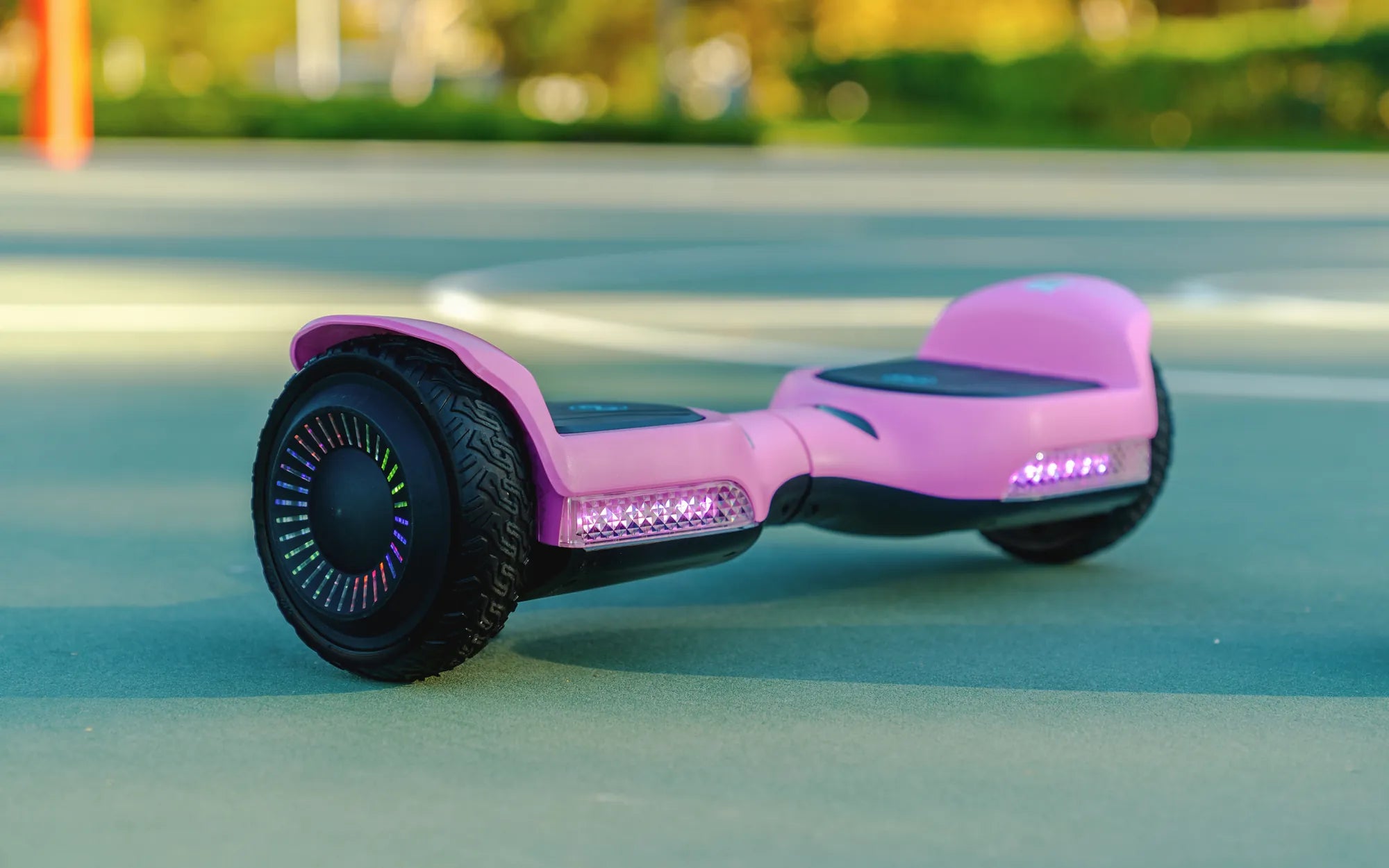
Imagine gliding effortlessly above the ground, defying gravity like a scene straight out of a sci-fi movie. The real flying hoverboard is no longer a fantasy—it's here, and it's changing the way we think about personal transportation. This groundbreaking invention combines cutting-edge technology with futuristic design, offering a thrilling glimpse into the future of mobility.
The Science Behind the Real Flying Hoverboard
At its core, the real flying hoverboard relies on advanced propulsion systems to achieve lift and stability. Unlike traditional hoverboards that roll on wheels, these devices use magnetic levitation, electric thrusters, or even air pressure to stay airborne. The result is a seamless, frictionless ride that feels like magic.
One of the key challenges engineers faced was creating a device that could sustain flight while remaining lightweight and energy-efficient. Breakthroughs in battery technology and materials science have made it possible to build hoverboards that are both powerful and portable. These innovations ensure that users can enjoy extended flight times without frequent recharging.
How the Real Flying Hoverboard Works
The mechanics of a real flying hoverboard vary depending on the design, but most models share a few common features. First, they incorporate a robust control system that allows users to maneuver with precision. Sensors detect shifts in weight and balance, translating them into directional movements.
Second, the propulsion system generates enough force to counteract gravity. Some hoverboards use fans or jets to create upward thrust, while others rely on electromagnetic fields to hover above specially designed surfaces. Regardless of the method, the goal is the same: to provide a smooth, stable, and intuitive flying experience.
The Benefits of Owning a Real Flying Hoverboard
Beyond the sheer thrill of flying, real flying hoverboards offer practical advantages. They eliminate the need for roads, making them ideal for crowded urban environments where traffic congestion is a constant problem. Commuters can bypass gridlock by taking to the skies, reducing travel time and stress.
Additionally, hoverboards are eco-friendly alternatives to gas-powered vehicles. Many models run on electricity, producing zero emissions and contributing to a cleaner planet. As renewable energy sources become more widespread, the environmental benefits of hoverboards will only increase.
Challenges and Limitations
Despite their potential, real flying hoverboards are not without challenges. Safety is a primary concern, as operating a device at high altitudes carries inherent risks. Manufacturers must implement fail-safes and emergency protocols to protect users in case of malfunctions or accidents.
Another hurdle is regulatory approval. Governments around the world are still grappling with how to classify and regulate hoverboards. Issues such as airspace management, licensing requirements, and liability laws need to be addressed before these devices can achieve widespread adoption.
The Future of Real Flying Hoverboards
The real flying hoverboard is just the beginning. As technology continues to advance, we can expect even more impressive developments in personal aerial transportation. Imagine hoverboards equipped with AI assistants, autonomous navigation, or even the ability to connect with other smart devices for a fully integrated mobility experience.
Researchers are also exploring ways to make hoverboards more accessible and affordable. While early adopters may pay a premium for these devices, economies of scale and technological advancements will likely drive prices down over time. Soon, flying to work or school could become as commonplace as riding a bicycle.
Ready to take flight? The real flying hoverboard is no longer a dream—it's a reality that's transforming how we move. Whether you're a tech enthusiast, an urban commuter, or simply someone who loves innovation, this revolutionary device promises to elevate your life in ways you never thought possible.
Hoverboard for Adults 250 lbs: The Ultimate Guide to Choosing the Right Model
Kids Scooter 3 Year Old: The Ultimate Guide for Parents