



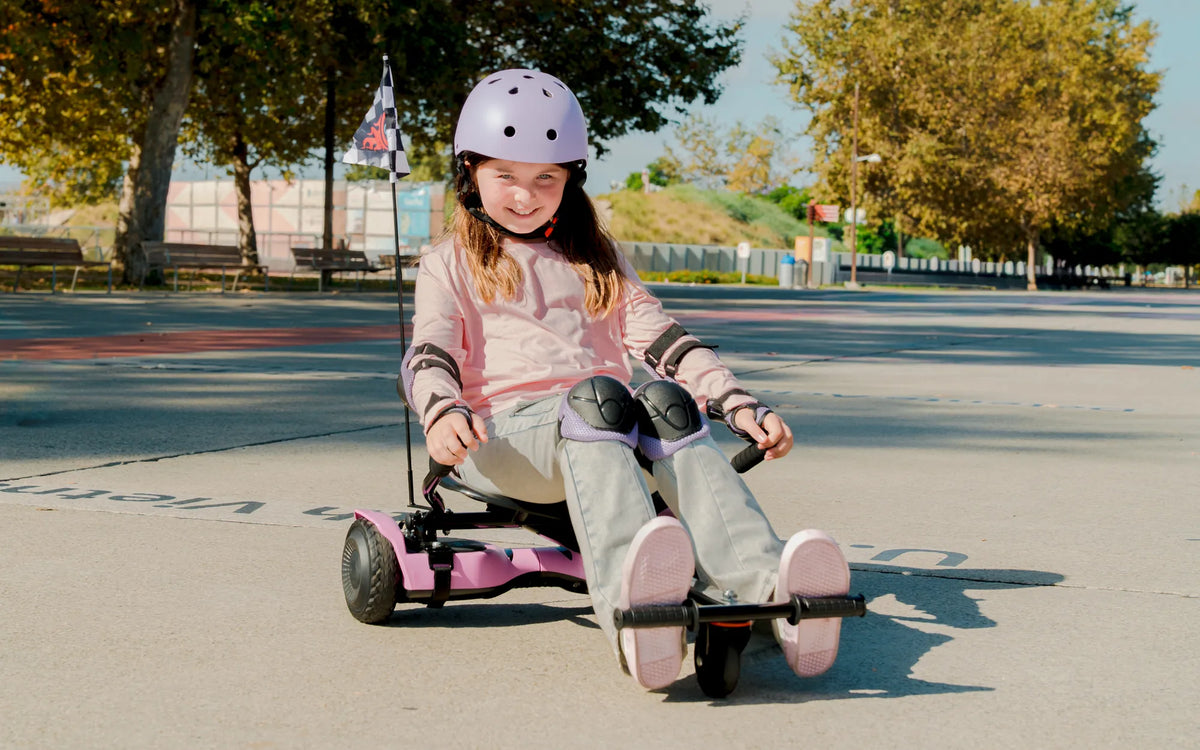
Imagine gliding effortlessly above the ground, defying gravity like a scene from a sci-fi movie. The real life real hoverboard is no longer a fantasy—it's here, and it's changing the way we think about personal transportation. From cutting-edge magnetic levitation to advanced propulsion systems, this innovation is pushing the boundaries of what’s possible. Buckle up as we dive into the science, the challenges, and the thrilling potential of hoverboards in our everyday lives.
The Science Behind Real Life Hoverboards
At the core of a real life real hoverboard is the principle of magnetic levitation. Unlike traditional skateboards or electric scooters, hoverboards don’t rely on wheels. Instead, they use powerful magnets to create a repulsive force between the board and the ground. This technology, often referred to as MagLev, allows the board to float a few inches above a specially designed surface.
Another critical component is the propulsion system. Some hoverboards use small fans or thrusters to generate forward momentum, while others rely on electromagnetic fields to control movement. The result? A smooth, frictionless ride that feels like something out of the future.
Challenges and Limitations
While the idea of a real life real hoverboard is exhilarating, there are still significant hurdles to overcome. One major challenge is the need for a magnetic surface. Most current hoverboards require a conductive track or platform to function, limiting where they can be used. Researchers are exploring ways to make hoverboards work on any surface, but this remains a work in progress.
Battery life is another concern. The energy required to sustain levitation and propulsion is substantial, and current battery technology can only support short rides. Advances in energy storage and efficiency will be crucial for making hoverboards a practical mode of transportation.
The Future of Hoverboards
Despite these challenges, the potential for real life real hoverboards is immense. Imagine a world where commuters glide above crowded sidewalks or where delivery drones hover silently overhead. As technology improves, hoverboards could become a common sight in cities, offering a clean, efficient, and fun way to get around.
Companies and researchers are already experimenting with new designs and materials, bringing us closer to a future where hoverboards are as commonplace as bicycles. Whether for recreation or daily commuting, the hoverboard revolution is just getting started.
Ready to take flight? The era of the real life real hoverboard is dawning, and it’s going to be one heck of a ride. Don’t miss your chance to be part of this groundbreaking movement—stay tuned for the latest updates and get ready to hover into the future.
Best Hoverboard for 10 Year Old Girl: Top Picks for Safety and Fun
Two Wheeled Self-Balancing Personal Transport: The Future of Urban Mobility