



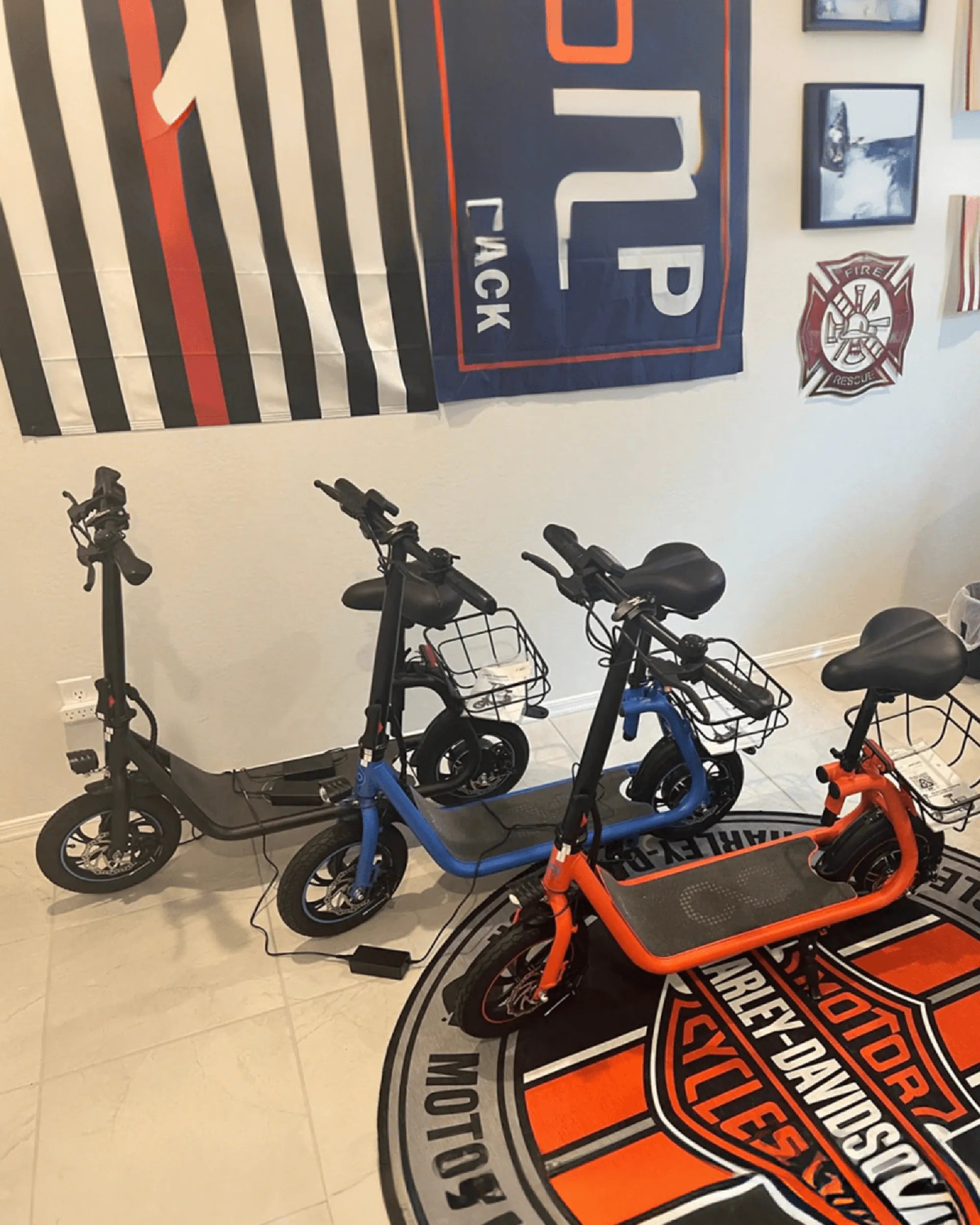
Introduction to Ride-On Mobility Scooters
A ride-on mobility scooter is a battery-powered vehicle designed to provide stable, seated transportation for individuals with limited mobility or stamina. Unlike a standard electric scooter, which is typically stand-up and requires significant balance, a ride-on mobility scooter features a comfortable seat, a tiller for steering, and a stable multi-wheel base. It also differs from a traditional power wheelchair in its scooter-like design, often offering greater range, speed, and outdoor capability. For those navigating shopping centers, community parks, or simply maintaining an active lifestyle, a ride-on mobility scooter is a powerful tool for reclaiming independence and expanding personal horizons.
Choosing the right model is not merely a purchase; it's an investment in autonomy. The decision impacts daily routines, social engagement, and overall quality of life. This guide will dissect the critical features, safety protocols, and practical benefits to empower you with the knowledge needed to select a scooter that perfectly aligns with your lifestyle. We will explore specifications, compare design philosophies, and highlight how technological reliability forms the foundation of true freedom on the move.
Key Features to Consider When Choosing a Scooter
Selecting a ride-on mobility scooter requires careful evaluation of several technical and ergonomic factors. These specifications directly determine where you can go, how comfortably you can travel, and how easily the scooter integrates into your life. Focusing on motor power, battery capacity, comfort, and portability will ensure your scooter is a help, not a hindrance.
Motor Power & Terrain Capability
Motor power, measured in watts (W), is the engine of your scooter. It dictates hill-climbing ability and overall performance on varied surfaces. A 250W to 350W motor is typically sufficient for flat, indoor environments like malls or smooth pavements. For outdoor use that includes gentle inclines, a 400W to 500W motor provides necessary torque. For those living in hilly areas or who wish to traverse light gravel paths, a 500W+ motor is highly recommended.
The motor's capability must match your primary terrain. Using an underpowered scooter on a slope can strain the battery, reduce speed to a crawl, and potentially overheat the motor. Conversely, an overpowered motor for purely flat use is unnecessary. Consider your daily route: the presence of curb ramps, driveway slopes, and the general landscape will guide your wattage requirement for a confident and capable ride on mobility scooter experience.
Battery Range & Charging
Battery range is arguably the most critical factor for planning outings. Range is determined by the battery's voltage (V) and amp-hour (Ah) capacity. A common configuration is a 48V 10Ah battery, which may offer a real-world range of 15-20 miles per charge, depending on rider weight, terrain, and speed. Always interpret manufacturer range claims as optimal conditions; factor in a 20-30% buffer for real-world use.
Lithium-ion batteries are the modern standard, preferred over older sealed lead-acid (SLA) types for their lighter weight, longer lifespan (typically 500+ charge cycles), faster charging, and maintenance-free operation. Charging times vary but often range from 4 to 8 hours for a full charge. A best practice is to recharge after each use, avoiding complete depletion, to maximize battery longevity. The peace of mind that comes from a UL-certified battery pack, like those used by Gyroor, cannot be overstated for home charging safety.
Comfort & Ergonomics
Comfort is paramount for extended use. Key ergonomic features start with the seat. Look for ample padding, contoured design, and adjustable height. A swivel seat that locks in place makes mounting and dismounting significantly easier and safer. The tiller (steering column) should be adjustable in both angle and height to accommodate your arm length and preferred riding posture.
Suspension systems, often in the form of front spring suspension or a padded seat post, absorb shocks from cracks and bumps in the pavement, reducing fatigue. Ample legroom and a well-positioned footplate are essential. Test, if possible, or review dimensions carefully to ensure a natural, relaxed seating position that supports your back and legs for the duration of your typical journey.
Portability & Storage
If you plan to transport your scooter via car, portability is a major consideration. Lightweight, foldable, or easily disassembled models are designed for this purpose. A travel or boot scooter can often be broken down into 3-4 pieces (seat, battery, frame) with minimal tools, each under 30 lbs, allowing them to fit in a car trunk.
Heavier, full-size scooters offer greater stability, power, and range but require a vehicle lift or ramp for transport. Assess your storage space at home as well. Will it fit through doorways? Can it be parked in a corner or a closet? Dimensions when folded or disassembled are just as important as its operational size. Balancing the need for a robust daily driver with the practicality of transport is a key step in the selection process.
Safety and Stability: A Non-Negotiable Priority
For a ride-on mobility scooter user, safety is the foundation upon which confidence and independence are built. Engineering choices in frame design, braking, and tires directly influence stability and control, making them critical evaluation points beyond mere specifications.
Frame Design & Weight Capacity
The frame is the scooter's skeleton. A sturdy frame constructed from aircraft-grade aluminum or reinforced steel is essential for durability and rider safety. It must resist flexing during turns or when traversing uneven ground. Always choose a scooter with a maximum weight capacity that exceeds your body weight by at least 20-30 lbs. This buffer accounts for clothing, carried items (like groceries), and ensures the suspension and motors are not perpetually strained, which maintains optimal stability and performance.
Exceeding the weight limit compromises handling, increases stopping distances, and can lead to premature component failure. A robust frame paired with an appropriate weight rating ensures the scooter remains planted and responsive, whether navigating a crowded sidewalk or a sloped driveway.
Braking Systems & Lighting
Reliable braking is non-negotiable. Modern scooters use electromagnetic (electronic) brakes, disc brakes, or regenerative braking systems. Electromagnetic brakes engage automatically when the throttle is released, providing a smooth, progressive stop. Disc brakes offer strong, mechanical stopping power, ideal for heavier riders or hilly areas. Some models combine systems for redundancy.
Visibility is a key component of safety. Your scooter must be equipped with bright front and rear LED lights for operation in low-light conditions. Reflectors on the sides, front, and rear are vital. An audible horn or bell is essential for alerting pedestrians. These features make you seen and heard, transforming your scooter from a personal aid into a predictable vehicle in shared spaces.
Tire Types for Different Surfaces
Tires are your only point of contact with the ground, making their choice fundamental to ride quality and safety. Air-filled (pneumatic) tires provide superior shock absorption, offering a smoother ride over cracks, cobblestones, and light grass. They require occasional pressure checks and are susceptible to punctures.
Solid (airless) or foam-filled tires are virtually maintenance-free, eliminating the risk of flats. They are ideal for consistent, smooth pavement but transmit more vibration from rough surfaces to the frame and rider. Some premium models feature wider, all-terrain pneumatic tires for maximum grip and comfort on varied paths. Your local environment should dictate your choice: paved urban settings favor solids, while suburban or park pathways benefit from pneumatics.
Practical Benefits: Enhancing Daily Independence
The true value of a ride on mobility scooter is measured not in specs, but in restored freedom. It bridges the gap between desire and ability, enabling participation in everyday activities that define an engaged, independent life.
Navigating Public Spaces & Shopping
A mobility scooter transforms errands from daunting chores into manageable outings. With a compact turning radius, you can maneuver through store aisles, checkout lines, and food courts with ease. Many models feature a front basket or under-seat storage for parcels. When considering public transit, many buses are equipped with ramps or lifts for mobility devices—always check local transit authority policies in advance.
Navigating sidewalks requires awareness but is greatly facilitated by a stable platform. The ability to travel several miles to a local café, library, or doctor's appointment without relying on others or enduring pain and fatigue is profoundly empowering. It turns isolation into connection with your community.
Social Engagement & Mental Well-being
The psychological impact of regained mobility is significant. Social isolation is a common challenge for those with mobility limitations. A scooter provides the means to visit friends, attend family gatherings, join community events, or simply enjoy a park. This sustained social engagement is crucial for mental and emotional health.
Furthermore, the ability to pursue hobbies—be it birdwatching, visiting museums, or fishing—reinstates a sense of purpose and joy. The ride on mobility scooter becomes a vehicle for lifestyle, not just transportation. It reduces dependence on others, boosting self-esteem and overall life satisfaction by enabling spontaneous outings and sustained activity.
Comparing Mobility Scooter Types
Understanding the categories of scooters helps match a model to your primary use case. The table below outlines the key differences.
| Type | Best For | Typical Weight | Key Features | Considerations |
|---|---|---|---|---|
| Travel/Boot Scooter | Frequent car transport, short trips, compact storage. | 35-60 lbs (disassembled) | Lightweight, folds or disassembles quickly, smaller battery. | Limited range (10-15 mi), less power for hills, smaller seat. |
| 3-Wheel Scooter | Indoor/outdoor use on paved surfaces, tight maneuverability. | 80-120 lbs | Tighter turning radius, often more compact, good for smooth terrain. | Can be less stable on very uneven ground or steep slopes than 4-wheel models. |
| 4-Wheel Scooter | Outdoor dominance, stability on varied terrain, longer distances. | 100-150+ lbs | Maximum stability, higher weight capacity, larger batteries for extended range. | Larger turning radius, heavier, less suitable for very tight indoor spaces. |
| All-Terrain Scooter | Grass, gravel, dirt paths, beach access, rural properties. | 150-200+ lbs | High-torque motor, knobby pneumatic tires, enhanced suspension, rugged frame. | Premium price, heaviest, not designed for primary indoor use. |
Gyroor’s Commitment to Reliable Mobility Solutions
As a leader in personal electric mobility, Gyroor applies its core engineering principles to the mobility scooter sector, focusing on safety, durability, and user-centric design. Trusted by over 100,000 riders, the brand's philosophy aligns directly with the needs of individuals seeking dependable daily transportation.
Central to this commitment is the use of UL-certified lithium-ion battery packs. This certification is a rigorous safety benchmark, ensuring each battery meets stringent standards for electrical, mechanical, and fire safety. For users charging their scooters overnight at home, this provides unparalleled peace of mind, mitigating the top concern of battery-related risks.
Further enhancing real-world usability is an IPX5 water-resistant rating on key components. This engineering allows riders to confidently navigate in drizzling rain, across wet pavement, or in damp morning grass without anxiety about electrical damage. It ensures the scooter is a reliable companion in everyday weather conditions, not just on perfect sunny days.
Finally, Gyroor backs its products with a 1-year comprehensive warranty supported by accessible, US-based customer service. This warranty covers major components and provides a direct line for troubleshooting, parts, or service. For a mobility device that is integral to daily life, this support network is not an extra—it's an essential part of the purchase, guaranteeing that your investment in freedom is protected.
Frequently Asked Questions (FAQ)
Q: Do I need a license or insurance to operate a mobility scooter?
A: In most regions, a driver's license, registration, or insurance is not required to operate a mobility scooter intended for personal medical mobility. However, laws vary by country, state, and municipality, especially regarding where you can ride (sidewalks vs. roads) and maximum speed limits. Always check your local regulations before use.
Q: Can I take my mobility scooter on a bus or in a car?
A>Most public transit buses in North America and Europe are equipped with accessibility features, including ramps and designated securement areas for mobility devices. Contact your local transit authority for specific policies. For car transport, travel scooters are designed for disassembly and trunk storage. For full-size scooters, a vehicle lift or ramp is typically necessary.
Q: How do I maintain the battery for maximum lifespan?
A>For lithium-ion batteries: Avoid fully draining the battery; recharge after each use or when it drops to 20-30%. Use only the manufacturer-provided charger. Store the scooter in a cool, dry place, and if not using for extended periods, charge the battery to about 50-60% every few months. Never expose the battery to extreme heat or direct sunlight for prolonged periods.
Q: What is the difference between a 3-wheel and a 4-wheel model?
A>The primary difference is stability versus maneuverability. A 3-wheel model has a tighter turning radius, making it excellent for navigating tight indoor spaces. A 4-wheel model offers a wider, more stable base, which is preferable for outdoor use, uneven terrain, and for heavier riders. It generally has a larger turning circle.
Q: How do I clean and perform basic maintenance on my scooter?
A>Use a damp cloth to wipe down the frame, seat, and tiller. Avoid high-pressure hoses or direct water streams on electronic components. Regularly check tire pressure (for pneumatic tires) and inspect for wear. Ensure all connections are tight and that the brakes engage properly. Consult your user manual for model-specific lubrication points and maintenance schedules.
Conclusion: Regaining Freedom and Confidence
Choosing the right ride on mobility scooter is a deeply personal decision that balances technical specifications with lifestyle aspirations. By prioritizing key features like motor power and battery range, insisting on foundational safety through robust frames and reliable brakes, and understanding the profound practical benefits for daily independence, you can select a vehicle that truly serves as an extension of your freedom.
Remember that quality and reliability are investments in your safety and autonomy. Brands that commit to certified components, weather-resistant designs, and strong warranties demonstrate a understanding of what riders truly need: dependable performance day after day. Your mobility scooter is more than a device; it's the key to maintaining an active, engaged, and independent life on your own terms. Explore thoughtfully engineered options designed with your safety and freedom as the top priority.
Ready to explore models that combine safety, range, and comfort? Browse the full Gyroor collection at gyroorboard.com to find a reliable mobility solution built for your journey.
Scooter for Teen Boy: The 2024 Guide to Safe, Fun, & Durable Rides
Top 10 Ebike Brands: The 2024 Guide to Performance, Safety & Value