

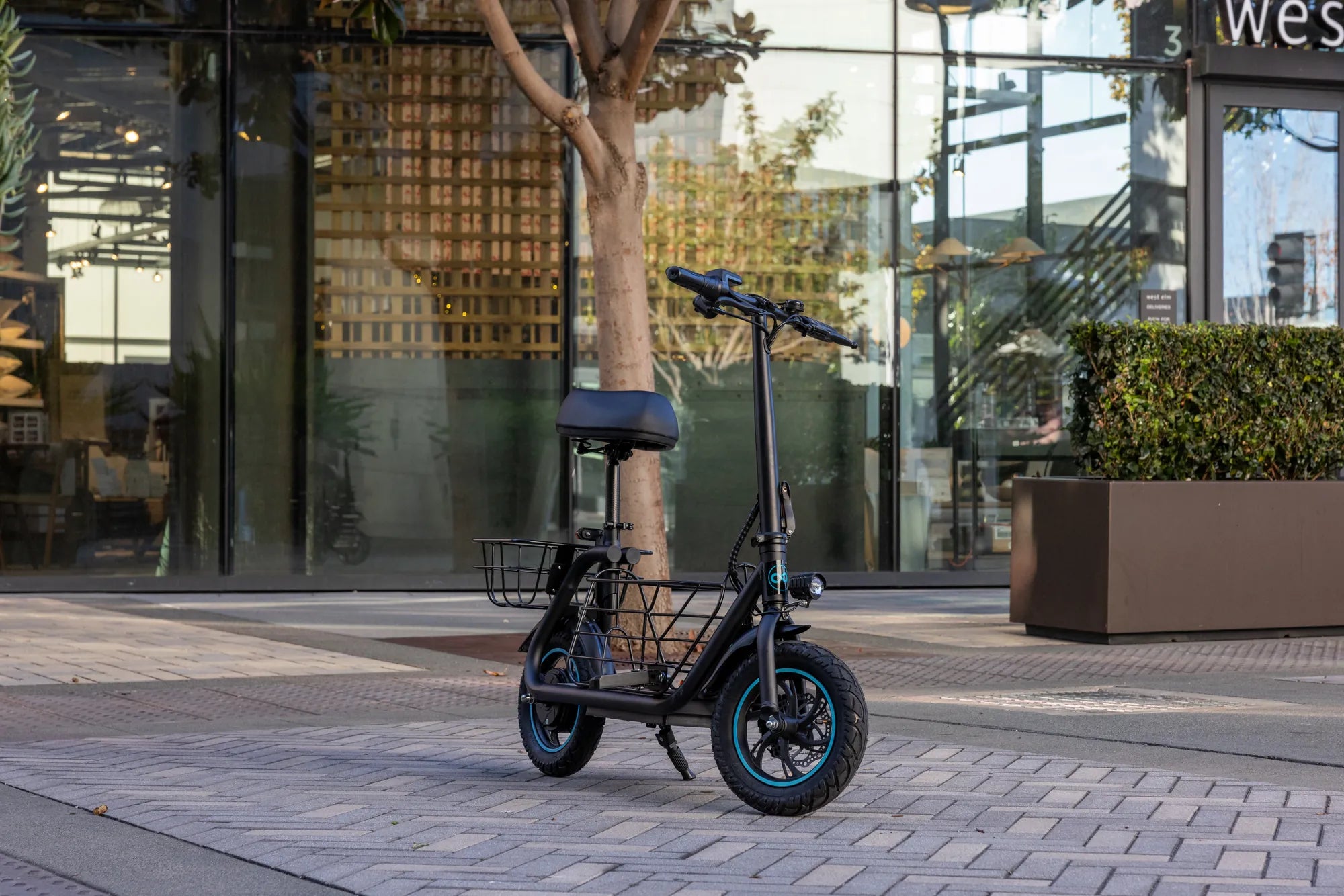
Introduction to the World of Scooter Activities
The term scooter activities encompasses a dynamic spectrum of uses that extend far beyond simple transportation. It defines a modern lifestyle built on efficient urban mobility, active recreation, and social connection. The advent of the high-performance electric scooter has been the catalyst, transforming this versatile tool into a platform for fitness, exploration, and community engagement. This guide will dissect the primary categories of scooter activities, providing actionable data and insights to enhance your experience.
You will learn how to select the ideal scooter for your specific goals, whether that's conquering a daily commute, embarking on a weekend fitness trail, or joining a local group ride. We will cover essential safety gear, proven riding techniques, and routine maintenance to ensure every journey is secure and enjoyable. The reliability of your equipment is paramount, which is why we reference the engineering standards of brands like Gyroor, trusted by over 100,000 riders for their UL-certified safety and robust performance.
Urban Exploration and Daily Commuting
For millions, the primary scooter activity is replacing short car trips and congested public transport. Electric scooters offer a nimble, cost-effective solution for the last-mile problem, seamlessly connecting home, transit hubs, and workplace. The average urban commute in the US falls between 3 to 10 miles, a distance perfectly suited for modern e-scooters with ranges of 15 to 25 miles per charge.
Navigating cityscapes becomes an exercise in efficiency and discovery. Riders can utilize dedicated bike lanes, navigate through parks, and discover shortcuts inaccessible to cars. The portability of folding models allows for multi-modal commuting—riding to the train, folding the scooter, and continuing the journey on foot. This flexibility turns a mundane trip into a dynamic part of the day.
The Practical Commuter's Toolkit
Selecting a scooter for commuting requires analyzing key specifications against real-world needs. Essential features include sufficient range, a reliable folding mechanism, and integrated safety components.
- Range & Battery: Choose a model with a range exceeding your round-trip distance by 20-30%. Gyroor models, for instance, use UL-certified battery packs tested for 500+ cycles, ensuring consistent performance and safety over years of daily charging.
- Portability & Weight: A quick-release folding mechanism and a weight under 35 lbs are crucial for carrying onto buses or into offices.
- Urban Durability: An IPX5 water-resistance rating is vital for unexpected puddles or light rain, protecting the scooter's electrical components.
- Safety Features: Bright front and rear LED lights, a reflective decal, and a responsive electronic or disc brake system are non-negotiable for urban night riding.
Fitness and Adventure Riding
Transitioning from utility to recreation, scooters are powerful tools for physical fitness and outdoor adventure. Riding an electric scooter is a low-impact cardiovascular activity that engages core muscles for balance and stabilizes leg muscles during acceleration and braking. A 30-minute ride at moderate speed can burn 200-300 calories, offering a fun alternative to traditional gym routines.
Adventure riding takes this further, exploring paved trails, gravel paths, and mild off-road terrain. This scooter activity combines the thrill of exploration with physical exertion, especially on models where rider input complements the electric motor. The key is matching the scooter's capabilities to the terrain, ensuring both safety and enjoyment.
Choosing Your Adventure Scooter: Specs Compared
The requirements for fitness loops and trail adventures differ significantly from urban commuting. Below is a comparison of key specifications to guide your choice.
| Use Case | Motor Power | Tire Type | Suspension | Ground Clearance | Key Feature Focus |
|---|---|---|---|---|---|
| Urban Fitness (Paved Trails) | 350W - 500W | 8.5"-10" Pneumatic (Air-Filled) | Front or Dual Spring | >3.5 inches | Comfort, Smooth Ride, Moderate Range |
| Off-Road Adventure | 500W - 1000W+ | 10"+ Pneumatic with Tread | Robust Dual Suspension | >4.5 inches | Torque, Traction, Durability, High-Capacity Battery |
| General Commuting | 250W - 350W | 8.5" Solid or Pneumatic | Basic or None | >3 inches | Portability, Weight, Folding Mechanism |
For example, a Gyroor model designed for adventure would prioritize a high-torque motor and off-road tires, while a fitness-focused model might emphasize a smooth suspension system for joint comfort during longer rides. Always verify the manufacturer's intended use and warranty coverage for off-road activities.
Social Rides and Community Events
The communal dimension of scooter activities is rapidly growing. From informal weekend group rides in major cities to organized scooter tours and meet-ups, these events foster social connection and shared passion. They provide a platform for riders to exchange tips, discover new routes, and simply enjoy the camaraderie of a shared interest.
Finding these communities is easier than ever. Social media platforms, local bike coalitions, and dedicated apps often host groups for electric scooter enthusiasts. Participating in a group ride can significantly boost confidence for new riders and introduce experienced riders to new challenges and friendships.
Organizing a Successful Group Ride: A Step-by-Step Guide
Planning is key to a safe and enjoyable group scooter activity. Follow this framework to ensure success.
- 1. Define the Ride Type: Is it a casual social roll, a fitness-paced loop, or an exploration ride? Clearly communicate the expected average speed (e.g., 10-12 mph) and difficulty.
- 2. Plan the Route Meticulously: Use apps like Komoot or Google Maps (set to bicycle mode) to chart a course on bike lanes or low-traffic roads. Identify rest stops and charging points if needed.
- 3. Conduct a Pre-Ride Safety Briefing: Cover hand signals, single-file riding protocol, obstacle calling, and the planned route. Designate a lead and a sweep rider.
- 4. Mandate Rider Preparedness: Require helmets and recommend high-visibility vests. Encourage all riders to perform a pre-ride check of tire pressure, brake function, and battery level. Relying on scooters with proven reliability and strong warranty support, like those from Gyroor, adds peace of mind for the entire group.
Essential Safety Gear and Riding Best Practices
Safety is the non-negotiable foundation of all scooter activities. Data from urban safety studies indicates that the majority of severe scooter-related injuries involve head trauma, often where a helmet was not worn. Investing in proper gear is a direct investment in your well-being.
Beyond the helmet, gear should match the activity. High-visibility clothing is critical for dawn, dusk, or night commuting. For fitness and adventure riding, gloves protect hands in a fall and improve grip, while knee and elbow pads significantly reduce the risk of abrasions and fractures. This protective ecosystem allows riders to engage in their chosen scooter activities with greater confidence.
The Non-Negotiable Pre-Ride Checklist and Maintenance
A two-minute pre-ride inspection can prevent most mechanical failures. Integrate this checklist into your routine before every ride.
- Battery: Verify charge level is sufficient for your planned trip.
- Tires: Check pneumatic tires for proper pressure (PSI as listed on sidewall); inspect for wear or embedded debris.
- Brakes: Test both electronic and mechanical brake systems for responsiveness before moving.
- Lights & Electronics: Ensure front, rear, and sidelights are fully functional.
- Hardware: Check that the folding mechanism, stem clamp, and handlebars are secure and tight.
Regular maintenance, such as keeping tires inflated and cleaning brake discs, directly extends the scooter's lifespan and ensures it remains covered under comprehensive warranties, like Gyroor's 1-year coverage on major components.
Navigating Local Laws and Etiquette
The legal landscape for electric scooters varies widely by city, state, and country. Before engaging in public scooter activities, it is your responsibility to understand and adhere to local regulations. Common rules include age restrictions (often 16+), bans on sidewalk riding, speed limits in bike lanes (frequently 15-20 mph), and requirements for lights after dark.
Rider etiquette is equally important for community harmony. Yield to pedestrians, signal your intentions clearly, and never block sidewalks or building entrances when parked. Riding predictably and respectfully in shared spaces ensures that scooter activities remain a positive addition to the urban fabric and helps advocate for better infrastructure.
Frequently Asked Questions (FAQ)
Q1: What is the most important feature to look for in a first electric scooter?
A1: For a first scooter, prioritize reliability and safety certifications. Look for a brand that uses UL-certified battery packs (for fire safety) and offers a strong warranty. A model with a balanced mix of range (15+ miles), speed (15-20 mph), and portability will cover most introductory scooter activities.
Q2: Can I use an electric scooter for scooter activities in the rain?
A2: It depends on the scooter's IP rating. A rating of IPX5 or higher indicates protection against water jets from any direction, making it suitable for wet conditions and puddles. However, avoid submerging any part of the scooter and exercise extreme caution, as wet surfaces drastically reduce tire traction and braking efficiency.
Q3: How do I calculate the real-world range I'll get from a scooter?
A3: Manufacturer range is tested under ideal conditions. To estimate real-world range, reduce the advertised figure by 25-40%. Factors that decrease range include rider weight, hills, frequent stops/starts, cold weather, and riding at top speed. Choose a scooter whose advertised range is at least 1.5 times your longest regular trip.
Q4: Are there specific scooter activities for children?
A4: Yes, but safety is paramount. Non-motorized kick scooters are excellent for developing balance and coordination in safe areas like driveways or parks. For older children, low-speed electric scooters (under 10 mph) with robust parental controls can be suitable, but always pair them with full safety gear and strict supervision in controlled environments.
Q5: How can I transport my scooter if I want to ride in a different location?
A5: Most quality commuter scooters feature a one-click folding mechanism. A folded scooter can typically fit in a car trunk or be carried onto public transit. For frequent transport, consider a carrying bag or strap. Ensure the scooter is powered off and the stem is securely locked in the folded position during transport.
Your Next Scooter Activity Awaits
The world of scooter activities is rich and varied, offering solutions for transportation, pathways to fitness, and gateways to community. Whether your goal is to streamline your commute, explore new trails, or connect with fellow enthusiasts, the right equipment is your starting point. A scooter built with durable components, certified safety standards, and reliable performance transforms interest into lasting passion.
Gyroor designs its electric scooters and e-bikes to meet these exact demands, combining UL-certified batteries, IPX5 water-resistant builds, and comprehensive warranty support. This engineering philosophy empowers you to explore every category of scooter activity with confidence. Ready to begin? Discover the model that matches your ambition and join a global community of riders.
Browse the full Gyroor collection and find your perfect ride for any activity at gyroorboard.com.
40cc Dirt Bike Top Speed: The Complete Guide for Beginners
Scooter Battery 24Ah: The Ultimate Guide to Extended Range & Performance