



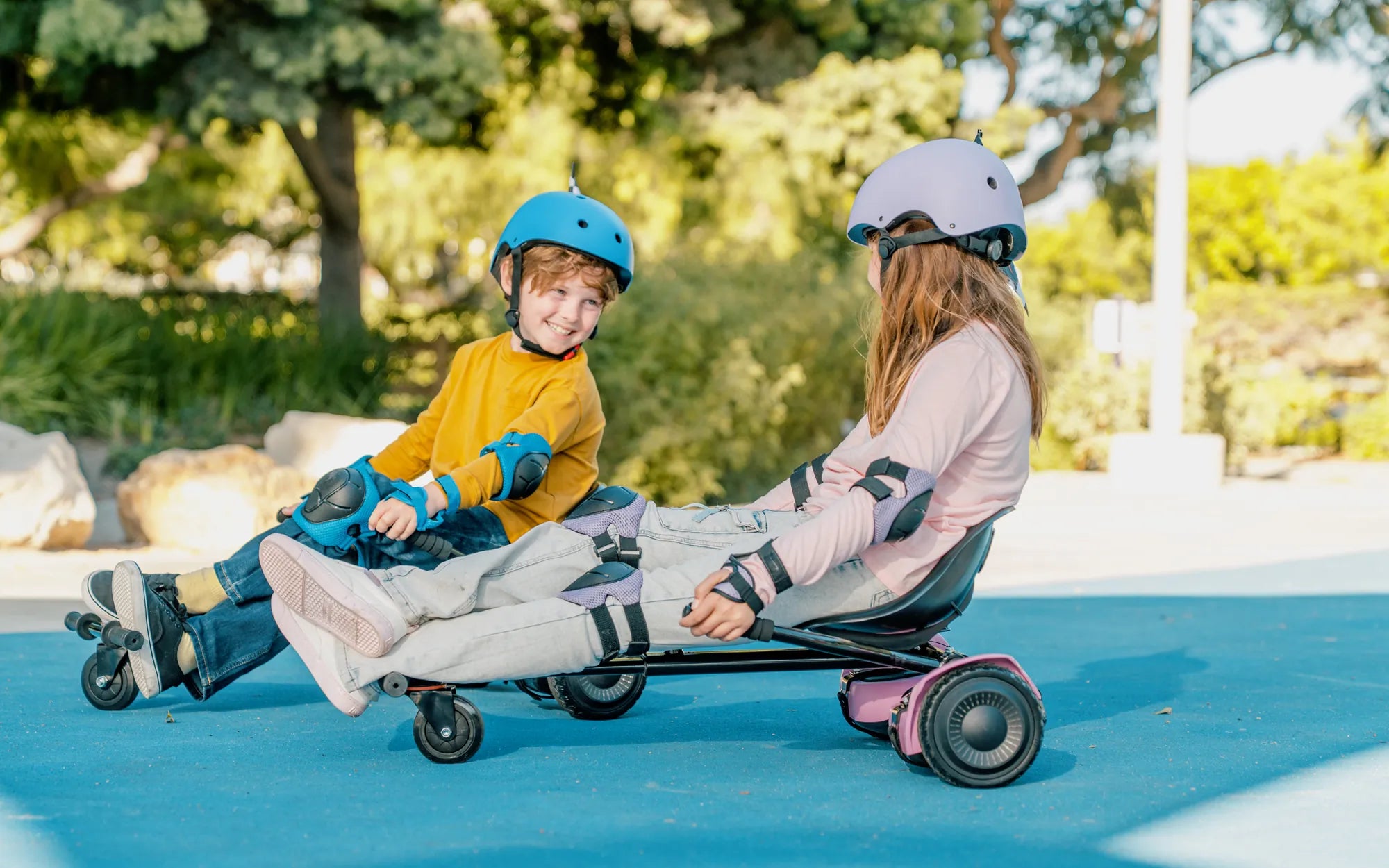
Introduction to Scooter Cars for Kids
Choosing the right ride-on toy is a significant decision for parents aiming to combine fun, development, and safety. A scooter car for kids represents a brilliant hybrid, merging the self-propelled action of a scooter with the imaginative, seated driving experience of a ride-on car. This guide is your ultimate resource for understanding why a scooter car is an excellent choice, what features truly matter, and how to ensure every ride is both thrilling and secure. We will explore the developmental benefits, break down critical specifications, and provide actionable safety advice, empowering you to make a perfectly informed purchase for your young rider aged 3 to 8.
Why Choose a Scooter Car? Benefits Over Traditional Ride-Ons
When compared to other popular ride-on toys, a scooter car for kids offers a unique set of advantages that support both physical activity and cognitive development. Unlike battery-powered cars that require little physical input, a scooter car engages a child's leg muscles and coordination to propel themselves forward, turning playtime into active exercise. This fundamental difference promotes healthier habits from a young age.
Compared to a balance bike, a scooter car provides a lower center of gravity and a seated position, which can boost confidence in younger or more cautious children. The stable, multi-wheel design allows them to focus on the mechanics of pushing and steering without the immediate challenge of balancing on two wheels. This makes the scooter car a fantastic transitional vehicle.
Furthermore, scooter cars often boast superior durability and lower maintenance than complex electric toys. With no motors or electronic components to fail, and constructed from robust materials, they are built to withstand years of active play. The imaginative "driving" aspect, complete with a realistic steering wheel and sometimes working horns, fuels creative play, making the scooter car a versatile tool for both physical and mental growth.
Key Features to Look for in a Kid's Scooter Car
Selecting the right model requires moving beyond colorful designs to examine the engineering and safety specifications. A high-quality scooter car for kids is defined by its construction, adjustability, and performance features, all of which directly impact your child's safety and enjoyment.
Safety and Build Quality
The foundation of any good scooter car is its frame and overall build. Prioritize models with a wide wheelbase and a low center of gravity; this design dramatically reduces the risk of tipping during sharp turns or on uneven ground. The frame should be made of sturdy, reinforced steel or aluminum, not thin, brittle plastic.
The body should utilize shatter-resistant, non-toxic plastics like ABS. All edges must be smoothly rounded, with no sharp protrusions or pinch points. A stable 3 or 4-wheel configuration is essential, with 4-wheel models generally offering the utmost stability for beginners. The integrity of these components is non-negotiable for safe play.
Age Appropriateness and Adjustability
A perfect fit is crucial for control and safety. Always match the scooter car to the manufacturer's recommended age, height, and weight limits. An ill-fitting vehicle can be difficult to maneuver and may discourage your child from using it.
Look for models with adjustable features. An adjustable seat height allows the scooter car to grow with your child, ensuring their feet can comfortably reach the ground to push effectively for several years. Some advanced models may also feature an adjustable steering column. This ergonomic consideration prevents hunching and promotes better posture during play.
Mobility and Performance
Performance is dictated by wheel type, steering, and braking. Large, air-filled (pneumatic) tires provide excellent shock absorption and traction on rougher terrains like sidewalks and driveways. Hard plastic or PU wheels are better suited for very smooth indoor or garage surfaces.
The steering mechanism is key to the experience. Lean-to-steer systems, where the child shifts their weight to turn, are intuitive and help develop core strength and balance. Traditional handlebar steering is straightforward and familiar. For braking, a reliable foot brake integrated into the rear wheel is a safe and simple option for young children. Always verify the maximum weight capacity to ensure the scooter car can safely support your child's growth.
Scooter Car vs. Other Ride-Ons: A Detailed Comparison
To contextualize the value of a scooter car, here is a data-driven comparison with other common ride-on toys.
| Feature | Scooter Car | Pedal Car | Balance Bike | Electric Ride-On Car |
|---|---|---|---|---|
| Primary Propulsion | Foot-to-ground scooting | Pedaling with feet | Walking/Running then gliding | Electric motor (battery) |
| Skill Development | Balance, coordination, leg strength | Leg strength, coordination | Advanced balance, steering | Basic steering, cause & effect |
| Physical Activity Level | High (Active) | High (Active) | Very High (Active) | Low (Passive) |
| Typical Age Range | 3 - 8 years | 3 - 6 years | 2 - 5 years | 2 - 7 years |
| Average Maintenance | Very Low | Low (chain, pedals) | Low (tire pressure) | High (battery, electronics) |
| Best For | Active, imaginative play & skill-building | Traditional outdoor play | Preparing for a pedal bike | Leisurely, imaginative driving |
The Gyroor Advantage: Engineered for Young Riders
Gyroor brings its extensive expertise in personal electric mobility to the kids' category, applying the same rigorous engineering standards to create exceptional scooter cars. Trusted by over 100,000 riders across North America and Europe, Gyroor's philosophy centers on safety, durability, and fun—principles that directly translate to their designs for young adventurers.
This commitment manifests in robust construction that mirrors the durability of their adult e-scooters, using high-grade, non-toxic materials that can withstand energetic play. While scooter cars are purely mechanical, Gyroor's deep knowledge of stable frame design, reliable braking systems, and ergonomic user interfaces ensures their kids' models are intuitively safe and easy to control. Parents can invest with confidence, backed by a brand known for reliable customer support and a clear, trustworthy warranty promise.
Ensuring a Safe and Fun Riding Experience
Owning a great scooter car is just the beginning. Implementing safe riding practices is essential to protect your child and maximize their enjoyment. Active parental involvement transforms the toy from a simple product into a tool for learning and adventure.
Essential Safety Gear
A properly fitted helmet is an absolute non-negotiable for every ride, regardless of the perceived safety of the environment. It is the single most important piece of safety equipment. For beginners and children riding on harder surfaces, complement the helmet with knee and elbow pads. This protective gear can prevent painful scrapes and bruises, allowing your child to build confidence without fear of minor falls.
Choosing the Right Riding Environment
Initiate practice in a controlled, safe area free from traffic and major obstacles. A flat, smooth driveway, an empty parking lot, or a quiet cul-de-sac are ideal starting points. Always avoid areas near streets, steep inclines, or bodies of water. Assess the terrain based on your scooter car's wheels; air-filled tires can handle slightly rougher pavement, while hard wheels are best for perfectly smooth concrete or indoor spaces.
Parental Supervision and Basic Rules
Constant, active adult supervision is required, especially for younger children. Establish and enforce simple, clear rules before the first ride. These should include: always wearing a helmet, watching for cracks or debris on the path, avoiding excessive speed, using brakes gently, and properly dismounting by coming to a complete stop first. Your guidance is the key to developing responsible riding habits.
Maintenance and Care for Longevity
While famously low-maintenance, a small amount of routine care will keep a scooter car for kids performing safely for years, potentially allowing it to be passed down to younger siblings. The maintenance regimen is simple and quick.
Before each use, perform a quick visual and physical check. Ensure all bolts and screws (especially on the steering column, seat, and wheels) are tight. Look for any unusual cracks or stress marks on the plastic body. For models with pneumatic tires, periodically check the air pressure and inflate to the PSI rating marked on the tire sidewall to ensure a smooth ride.
Basic cleaning is also important. Use a damp cloth with mild soap to wipe down the scooter car, removing dirt and grime. Avoid high-pressure water sprays or harsh chemicals that could damage components. When not in use, store the scooter car in a dry place like a garage or shed to protect it from prolonged sun exposure and weather, which can degrade plastics and rubber over time.
Frequently Asked Questions (FAQs)
1. What is the ideal age for a scooter car?
Most scooter cars are designed for children between 3 and 8 years old. The key factor is whether your child can sit comfortably on the seat with their feet flat on the ground to propel themselves. Always check the manufacturer's specific age, height, and weight recommendations.
2. How does a scooter car help my child's development?
It promotes significant physical and cognitive growth. Physically, it builds leg strength, improves gross motor coordination, and enhances balance and spatial awareness. Cognitively, it teaches cause-and-effect (steering and braking), risk assessment, and fuels imaginative, independent play.
3. Are scooter cars difficult to assemble?
Typically, no. Most models ship 90% pre-assembled. Final assembly usually involves attaching the front wheel assembly or handlebars to the main body, a process that takes 10-20 minutes with the included tools and clear instructions. It's designed to be a straightforward task for parents.
4. Can it be used indoors?
This depends on the wheel type and your home's flooring. Models with hard plastic or quiet PU wheels can be used on smooth, hard surfaces like laminate, vinyl, or in a clean garage. Models with large, treaded pneumatic tires are strictly for outdoor use. Always consider space and potential for marking floors.
5. What maintenance is required?
Routine maintenance is minimal but important. It includes: regularly checking and tightening all fasteners, inspecting for wear or damage, keeping pneumatic tires properly inflated, and cleaning the scooter with a damp cloth. This simple routine ensures long-term safety and performance.
Investing in Adventures on Wheels
A well-chosen scooter car for kids is more than a toy; it's an investment in your child's active childhood, developmental milestones, and countless hours of outdoor enjoyment. By prioritizing safety features, age-appropriate design, and robust construction from a reputable brand, you provide a platform for fun that parents can trust. The scooter car for kids uniquely blends physical exercise with imaginative play, fostering confidence and independence with every push. As you consider the options, remember that quality and safety are paramount for peace of mind and lasting value. Empower your child's exploration and watch them navigate their world with joy and newfound skill. Discover durable, thoughtfully designed options for your young rider by browsing the full Gyroor collection at gyroorboard.com.
Why Won't My Hoverboard Turn On: A Complete Troubleshooting Guide
Hoverboard Won't Stop Beeping or Turn Off: A Complete Troubleshooting Guide