


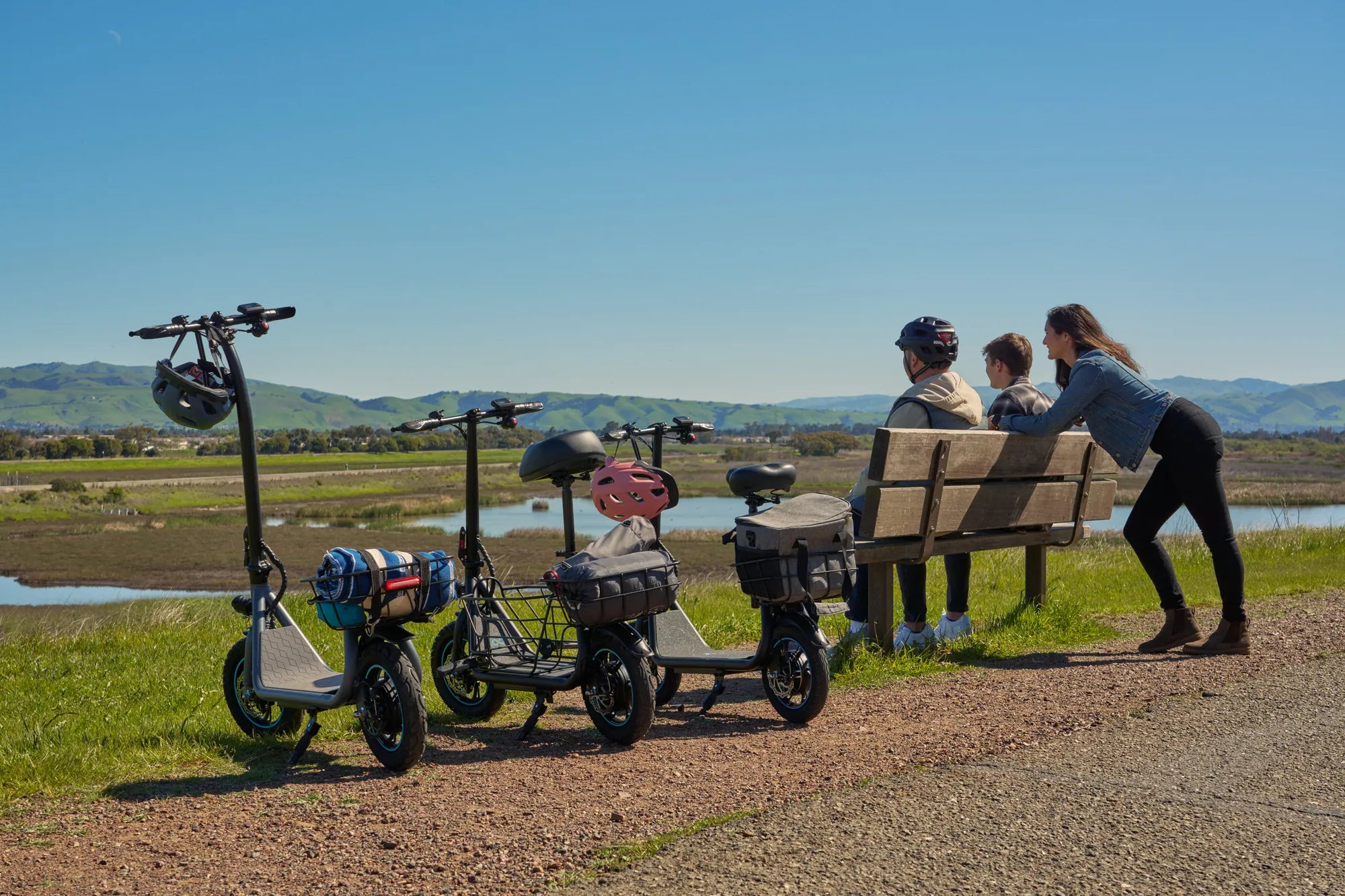
Introduction: Finding the Perfect Scooter for Your 15-Year-Old Boy
Finding the ideal scooter for a 15 year old boy is about more than just picking a fun toy. It's about selecting a tool for growing independence, practical transportation, and responsible recreation. At 15, a boy is likely looking for a reliable way to get to school, visit friends, or explore the neighborhood with greater autonomy.
Parents, however, need to prioritize safety, legal compliance, and long-term value. The market is flooded with options, making it crucial to distinguish between cheaply made products and those built to withstand the demands of an active teenager. This guide will provide the data-driven insights needed to make an informed decision.
We will analyze the critical factors from motor power and battery safety to local helmet laws. Furthermore, we will examine why brands with verified safety standards, like Gyroor—a leader trusted by over 100,000 riders—offer a smarter investment. The right scooter for a 15 year old boy should empower his independence while giving you complete peace of mind.
Key Factors to Consider Before Buying
Selecting a scooter requires evaluating several technical and practical specifications. The goal is to match the scooter's capabilities to the rider's typical use case, whether it's a 2-mile commute to school or recreational rides on weekend trails. Ignoring these factors can lead to safety issues, premature wear, or legal troubles.
Performance metrics like speed and range must align with realistic needs. A scooter with a 40-mile range is overkill for most teens, while a 5-mile range becomes a daily frustration. Similarly, a top speed of 30 mph is dangerously excessive for a new rider, whereas 15-18 mph offers a thrilling yet controllable experience.
Build quality directly correlates with safety and longevity. A scooter for an active 15 year old boy will encounter curbs, potholes, and occasional rain. A frame made from aircraft-grade aluminum, reliable braking systems, and pneumatic (air-filled) tires for better shock absorption are non-negotiable for daily use.
Finally, consider the total cost of ownership. A slightly higher upfront cost for a scooter from a reputable brand with a strong warranty and customer support often saves money and hassle compared to a bargain model that fails in six months. This is a pivotal factor when choosing a scooter for a 15 year old boy.
Safety & Legal Compliance First
Safety is the paramount concern. Legally, electric scooter regulations vary dramatically by city, county, and state. Many jurisdictions have a minimum age of 16, but numerous others allow operation at 15, often with specific restrictions. It is imperative to check your local ordinances regarding where scooters can be ridden (bike lanes vs. roads), maximum speed limits, and mandatory helmet laws.
From a product safety standpoint, the battery is the most critical component. Look for scooters that explicitly state they use UL 2271 or UL 2272 certified battery packs. This independent certification tests for electrical, mechanical, and environmental safety, drastically reducing the risk of fire—a known issue with uncertified, generic lithium-ion batteries.
The scooter's own speed capabilities should be appropriate. For a 15-year-old, especially a new rider, a maximum speed of 15 to 20 mph is a sensible limit. Many quality scooters offer selectable speed modes, allowing parents to lock the scooter into a beginner-friendly mode (e.g., 10 mph) until the rider gains experience and responsibility.
Effective braking is equally crucial. A combination braking system—typically a disc brake for the rear wheel and an electronic regenerative brake for the front—provides reliable stopping power in various conditions. Never compromise on braking quality for a scooter for a 15 year old boy.
Durability & Build Quality for Active Teens
Teenagers are not always gentle with their possessions. A scooter must be engineered to handle the rigors of daily use, including the occasional bump off a curb or ride over rough pavement. The frame material is the foundation of durability; aluminum alloy frames offer an excellent strength-to-weight ratio, resisting dents and corrosion.
Weight capacity is a direct indicator of structural integrity. While the average 15-year-old boy weighs between 110 and 150 pounds, choosing a scooter with a maximum load capacity of 220 lbs or more ensures a significant safety margin and confirms the frame and components are overbuilt for durability, not just meeting minimum standards.
Weather resistance is a practical necessity. An IP rating (Ingress Protection) tells you how well the scooter is sealed against dust and water. An IPX4 rating means it can handle water splashes from any direction, while IPX5 (a standard for many Gyroor models) means it can withstand low-pressure water jets, making it safe to ride in light rain or through puddles.
Component quality extends to the folding mechanism, handlebar stem, and deck. A wobbly stem or a latch that feels flimsy will become a point of failure. A well-designed scooter for a 15 year old boy will have a secure, easy-to-use folding system with robust locking pins to ensure a solid ride feel.
Performance Needs: Speed, Range, and Terrain
Performance should be matched to actual use. For a typical suburban teen, a realistic daily range is 7-12 miles. However, battery performance degrades over time and is affected by rider weight, hills, and temperature. Therefore, selecting a scooter with an advertised range of 15-20 miles ensures sufficient buffer for real-world conditions and battery aging.
Motor power, measured in watts (W), determines hill-climbing ability and acceleration. A 350W to 500W motor is the sweet spot for a teen scooter. A 350W motor can handle moderate inclines, while a 500W motor provides confident power for steeper hills. Motors over 500W may be excessive for a first scooter and can drain the battery faster.
Tire choice defines comfort and terrain capability. Pneumatic (air-filled) tires provide superior shock absorption and traction on varied surfaces compared to solid rubber tires. For a rider interested in park paths or light trails, a scooter with slightly larger, pneumatic tires (8.5-inch or 10-inch) will offer a smoother, more capable ride.
Consider the weight and portability of the scooter. A model weighing around 30-40 lbs is heavy enough to feel stable at speed but light enough for a teen to carry up a few stairs or lift into a car trunk if needed. Ultra-light models often sacrifice battery size and durability.
Why a Gyroor Scooter is a Smart Choice for a Teenager
Gyroor has established itself as a leading brand in personal electric mobility by focusing on the core principles that matter most to families: verified safety, robust construction, and reliable support. For a parent seeking a scooter for a 15 year old boy, these are not just features but fundamental requirements.
With a customer base of over 100,000 riders across North America and Europe and an average rating of 4.5/5, Gyroor's reputation is built on consistent performance. The brand offers a range of over 20 models, allowing you to choose a scooter that precisely fits your teen's size, skill level, and intended use.
Unlike generic or discount brands, Gyroor designs its products with real-world use in mind. This means integrating safety certifications from the ground up, using high-grade materials, and providing accessible customer service. This holistic approach transforms the scooter from a potential liability into a trusted tool for independence.
Investing in a Gyroor scooter is an investment in reducing worry. Knowing the battery is UL-certified, the electronics are water-resistant, and the company stands behind its product with a comprehensive warranty allows both parent and teen to focus on the enjoyment and utility of the ride.
Engineered for Safety and Peace of Mind
Gyroor's commitment to safety begins with its power source. Every Gyroor scooter uses a UL-certified battery pack that has undergone rigorous testing for over 500 charge cycles. This certification is the industry benchmark for preventing thermal runaway and battery fires, addressing one of the biggest hidden risks in electric mobility.
The IPX5 water-resistant rating common across their lineup is a significant engineering achievement. It means the scooter's critical electrical components are protected against low-pressure water jets from any direction. For a teenager who might get caught in the rain or ride through a wet street, this protection prevents short circuits and corrosion, extending the scooter's life and ensuring operational safety.
Gyroor designs its scooters with intuitive, graduated controls. Features like cruise control, multiple speed modes (often with a beginner mode limited to 9-10 mph), and bright LED headlights and taillights enhance safe operation. The braking systems are designed to be responsive without being jarring, preventing dangerous over-the-handlebar stops.
This multi-layered safety architecture—from cell-level battery certification to water-resistant construction and rider-friendly controls—creates a product parents can trust. It directly addresses the core anxiety of giving a powerful vehicle to a young adult, making a Gyroor scooter a responsible choice for a 15 year old boy.
Built to Last: Warranty and Support
The longevity of a scooter is tested by daily use. Gyroor backs its build quality with a 1-year comprehensive warranty that covers manufacturing defects in the frame, motor, battery, and electronic controller. This warranty is a testament to their confidence in the durability of their components and provides a clear recourse if an issue arises.
Access to support is crucial. Gyroor maintains responsive, US-based customer service, which is a stark contrast to brands that only offer support through impersonal email or difficult-to-reach international channels. For a parent, having a direct line for troubleshooting or warranty claims simplifies ownership immensely.
The availability of replacement parts is another key advantage. As a scooter accrues miles, consumable parts like tires, brake pads, and inner tubes may need replacement. Gyroor's established ecosystem ensures these parts are accessible, allowing for easy maintenance and keeping the scooter operational for years.
This support structure reduces the total cost of ownership. Instead of discarding a malfunctioning scooter, a Gyroor owner can have it repaired under warranty or with genuine parts. For a growing teen whose needs might evolve, this also means the scooter retains more resale value if an upgrade is desired later.
Features That Enhance the Riding Experience
Beyond core safety, Gyroor scooters incorporate features that make riding more enjoyable and practical. A clear, backlit digital display is standard on most models, showing speed, battery level, riding mode, and trip distance at a glance. This helps the rider manage range and understand the scooter's status.
Many Gyroor models offer app connectivity via Bluetooth. Through a smartphone app, a parent or rider can lock/unlock the scooter, track riding history, customize acceleration sensitivity, and fine-tune regenerative braking strength. This level of customization allows the scooter to be tailored to the rider's evolving skill level.
Practical design elements include a wide, textured deck for secure footing, a bright headlight for night visibility, and a rear suspension system (on select models) for absorbing vibrations from uneven pavement. These features collectively reduce fatigue and increase control, making longer rides more comfortable and safe.
For a 15 year old boy, these features add a layer of engagement and modernity to the riding experience. The scooter feels less like a simple vehicle and more like a piece of smart, personal technology, which encourages responsible ownership and care.
Top Gyroor Models for a 15-Year-Old Rider
Gyroor's lineup includes several models that are perfectly suited for a teenage rider. The key is to match the scooter's specifications to the primary use case: reliable commuting, off-road capability, or a balance of both. Below is a detailed comparison of two standout models that exemplify Gyroor's approach to building a great scooter for a 15 year old boy.
Both models share core Gyroor safety features: UL-certified batteries, IPX5 water resistance, and robust aluminum frames. They differ in their performance orientation, helping you choose based on whether your teen needs an urban cruiser or a more adventurous ride.
Model Comparison: Gyroor Warrior vs. Gyroor Z1
| Specification | Gyroor Warrior | Gyroor Z1 |
|---|---|---|
| Max Speed | 19 mph | 22 mph |
| Max Range | 18 miles | 25 miles |
| Motor Power | 350W (Peak 700W) | 500W (Peak 1000W) |
| Max Load | 264 lbs | 330 lbs |
| Tire Type | 8.5" Pneumatic | 10" Pneumatic, Off-Road Tread |
| Suspension | Front Spring + Rear Shock | Front & Rear Dual Shock |
| Braking System | Disc + Electronic Brake | Dual Disc Brakes + Electronic Brake |
| Weight | 38 lbs | 52 lbs |
| Special Features | App Connectivity, Cruise Control | Enhanced Hill Climb, Rugged Design |
| Best For | The Urban Commuter: Perfect for daily rides to school and friends' houses on paved surfaces. Balanced speed, range, and portability. | The Adventure Seeker: Ideal for riders who encounter hills, trails, or rougher terrain. Offers superior power and stability. |
The Gyroor Warrior represents the ideal all-around scooter for a 15 year old boy. Its 19 mph top speed is exciting yet manageable, and the 18-mile range covers most teen scenarios. The front spring and rear shock suspension paired with pneumatic tires provide a comfortable ride on city streets. Its lighter weight makes it easier to carry.
The Gyroor Z1 is for the more experienced or adventurous teen. Its 500W motor delivers powerful acceleration and hill-climbing ability, while the 10-inch off-road tires and dual suspension handle unpaved paths and bumps with ease. The higher weight capacity and dual disc brakes offer maximum stability and stopping power for a larger rider or more dynamic riding.
Choosing between them depends on environment and riding style. For pure pavement use, the Warrior is often the more practical and portable choice. For mixed terrain or a rider who has already mastered scooter basics and seeks more performance, the Z1 is an outstanding upgrade. Both serve as exceptional examples of a durable scooter for a 15 year old boy.
Essential Safety Gear and Riding Tips
The safest scooter is only one part of the equation. Proper protective gear and educated riding habits are non-negotiable for ensuring a teenager's safety on the road. Establishing these protocols from day one creates a culture of responsibility around scooter use.
Gear should be treated as mandatory equipment, not an optional accessory. A crash at 15 mph can result in serious abrasions, fractures, or head injuries. Investing in high-quality gear is a direct investment in the rider's physical well-being and can prevent a minor accident from becoming a major medical event.
Riding education is equally important. A 15-year-old may have bicycle experience, but electric scooters have different acceleration, weight, and braking characteristics. Dedicated practice in a safe, controlled environment is essential before navigating traffic or complex pedestrian areas.
Consistently reinforcing these rules and leading by example—such as always wearing a helmet yourself if you ride—solidifies their importance. Safety for a scooter for a 15 year old boy is a partnership between quality equipment and disciplined behavior.
The Non-Negotiable Safety Kit
Helmet: This is the single most important piece of safety equipment. It must be a bicycle or multi-sport helmet certified by CPSC (U.S.) or a similar national standards body. It should fit snugly without rocking and be replaced after any significant impact, even if no damage is visible.
Knee and Elbow Pads: These protect the joints most vulnerable in a forward or sideways fall. Look for pads with hard plastic caps and comfortable, breathable padding that stays in place during movement. They are essential for new riders and highly recommended for all.
Wrist Guards: In a fall, instinct leads to putting hands out to brace, which can lead to severe wrist fractures or sprains. Wrist guards with splint supports can prevent these injuries and are a smart addition to the safety kit, especially during the learning phase.
High-Visibility Clothing/Accessories: Being seen is critical for safety. A reflective vest, ankle bands, or stickers on the scooter and helmet dramatically increase visibility to drivers, especially during dawn, dusk, or overcast days. Bright-colored clothing is also beneficial.
Rules of the Road for New Riders
1. Start in a Safe Zone: Begin practice in an empty parking lot, driveway, or quiet cul-de-sac. Master starting, stopping, turning, and controlling speed before venturing onto paths or roads with obstacles.
2. Obey All Traffic Laws: In most areas, scooters are subject to the same rules as bicycles. This means stopping at stop signs and red lights, riding in the direction of traffic, and using hand signals for turns. Never ride on sidewalks where prohibited.
3. Be Predictable and Defensive: Ride in a straight line, don't weave between parked cars, and always assume drivers have not seen you. Make eye contact with drivers at intersections before proceeding. Avoid riding in a driver's blind spot.
4. Eliminate Distractions: Never use headphones or earbuds while riding. All your attention is needed to hear traffic, pedestrians, and other potential hazards. Keep your phone secured and do not text or call while riding.
5. Perform a Pre-Ride Check: Before each ride, quickly check tire pressure, brake function, light operation, and ensure the folding mechanism is fully locked. This 30-second habit can prevent accidents caused by mechanical failure.
Frequently Asked Questions (FAQ)
Parents and teens often have similar questions when entering the world of electric scooters. This FAQ addresses the most common concerns with clear, factual answers to aid in the decision-making process and ensure responsible ownership from the start.
Is it legal for a 15-year-old to ride an electric scooter?
Legality is entirely dependent on local jurisdiction. There is no federal law in the U.S. governing electric scooter use. Many cities and states have set a minimum age of 16, but a significant number permit riding at 15, often with a helmet requirement. Some cities require a driver's permit or license regardless of age. You must check the specific ordinances for your city and state. A good resource is your local Department of Motor Vehicles (DMV) or city transportation website.
How do I maintain the scooter's battery for maximum longevity?
Proper battery care is simple but vital. First, use only the official charger provided by Gyroor. Avoid letting the battery fully discharge to 0%; try to recharge when it reaches 20-30%. For long-term storage (over a month), store the scooter with the battery charged to about 60% in a cool, dry place. Avoid charging the battery immediately after a long, hot ride; let it cool to room temperature first. Following these steps will help achieve the full 500+ charge cycle lifespan.
What if the scooter breaks or has an issue?
Gyroor scooters are covered by a 1-year warranty against manufacturing defects. If an issue arises, the first step is to contact Gyroor's customer support team via their website. They will guide you through troubleshooting. If the problem is covered under warranty, they will facilitate a repair or replacement of the faulty component. For issues outside of warranty or general maintenance, they can also provide guidance and access to genuine replacement parts.
Can the scooter handle hills?
Hill-climbing ability is determined by motor power, rider weight, and slope grade. A Gyroor scooter with a 350W motor (like the Warrior) can handle moderate hills commonly found in suburban areas. For steeper, sustained inclines, a 500W motor (like the Z1) is recommended. The product specifications typically list a maximum hill grade (e.g., 15-20%), which is a reliable guide. Remember, climbing hills at full throttle will reduce the overall range per charge.
How do I ensure my teen rides safely when I'm not around?
Education and clear rules are key. Before allowing independent rides, ensure they have mastered control in a safe area. Establish non-negotiable rules: always wear full safety gear, obey traffic laws, avoid specific high-traffic areas, and set a strict curfew for night riding (or prohibit it entirely until more experience is gained). Utilizing features like app-connected speed mode limiting can also help enforce safe speeds remotely. Open communication about near-misses or close calls is crucial for ongoing learning.
Conclusion: Empowering Independence the Right Way
Choosing a scooter for a 15 year old boy is a significant decision that blends practicality with emotion. It's about granting freedom while instilling responsibility. The data is clear: prioritizing verified safety certifications like UL for batteries, robust construction with IP water resistance, and a reputable brand with strong warranty support is not an extra cost—it's essential insurance.
Gyroor’s approach, focusing on these fundamentals across a range of over 20 models, provides a trustworthy solution. From the versatile Warrior to the powerful Z1, there is a scooter engineered to match a teenager's lifestyle while meeting a parent's safety standards. This combination allows a 15-year-old to experience the thrill of mobility and the pride of ownership without unnecessary risk.
The journey doesn't end with the purchase. Equipping your teen with high-quality safety gear and thoroughly educating them on road etiquette completes the safety ecosystem. A responsible rider with a well-maintained, reliable scooter is set for years of enjoyable and practical use.
Ready to explore scooters designed for safety, performance, and lasting value? Browse the full Gyroor collection, including the Warrior and Z1 models, at gyroorboard.com to find the perfect match for your teenager's next adventure.
Scooter Pieces: The Complete Guide to Electric Scooter Components
Best Electric Scooter Guide: How to Choose for Commuting, Adventure & Value