



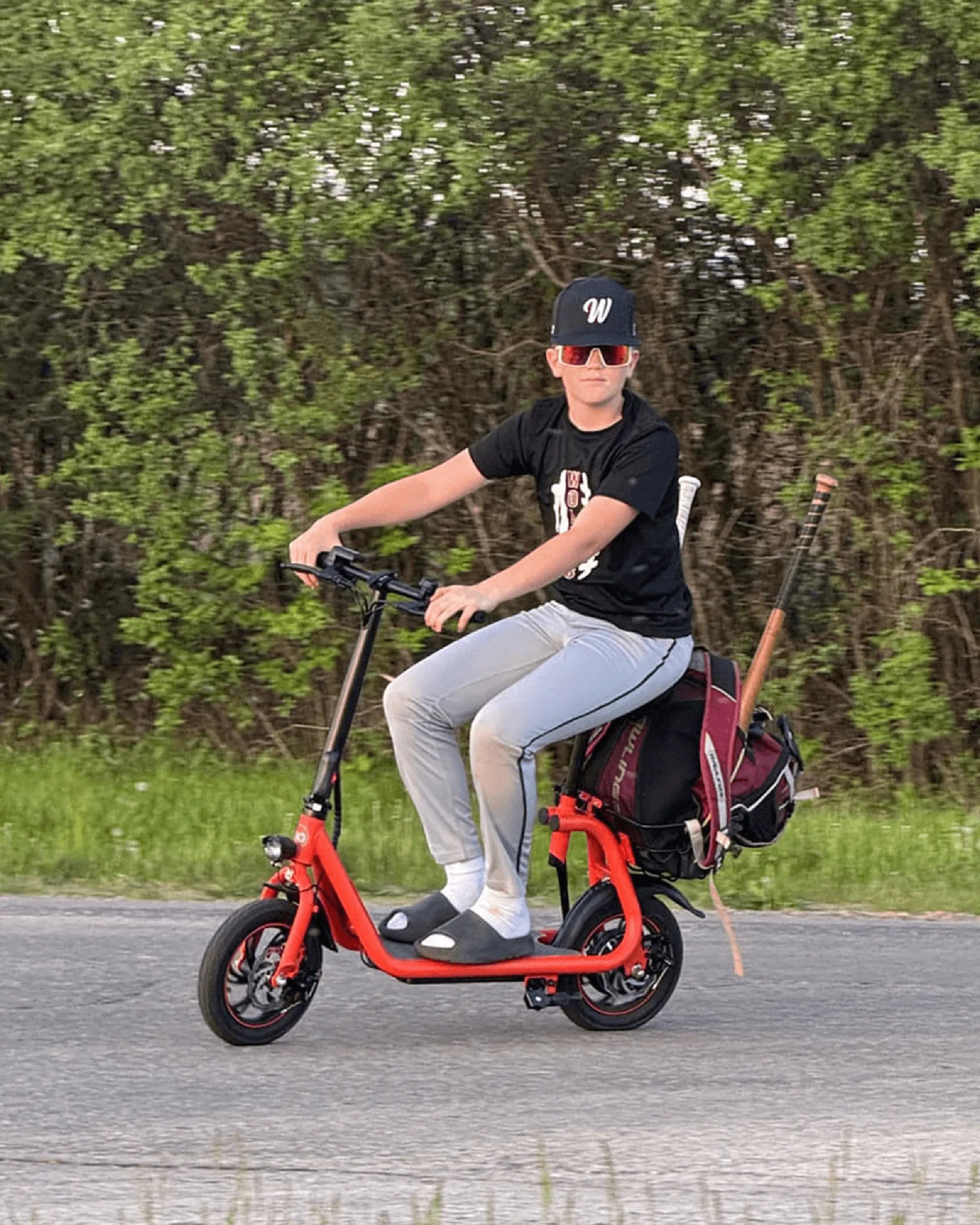
Finding the Perfect Ride for Your 10-Year-Old
Selecting a scooter for boys age 10 is a significant decision that goes beyond a simple toy purchase. At this age, boys seek independence, adventure, and a vehicle that matches their growing physical capabilities and confidence. Parents, meanwhile, prioritize safety, durability, and value. This guide provides a detailed, data-driven framework to navigate the market, ensuring you find a scooter that empowers fun while delivering peace of mind. We will analyze critical factors from safety features to build quality, compare scooter types, and offer practical advice for setup and maintenance.
Key Considerations for a 10-Year-Old Boy's Scooter
Age recommendations on a box are a starting point, but the right fit depends on your child's specific size, maturity, and riding environment. A well-chosen scooter enhances coordination, encourages outdoor play, and provides a sense of freedom. The core pillars for evaluation are safety engineering, construction quality, and ergonomic fit. Ignoring any of these can lead to a frustrating or unsafe experience. Let's break down what makes a scooter ideal for an active ten-year-old.
Safety as the Top Priority
For a scooter for boys age 10, safety is non-negotiable. The braking system is paramount. Look for a responsive hand-operated brake, typically on the rear wheel, which offers more controlled stopping power than a foot fender brake, especially at higher speeds or on inclines. The deck should have a slip-resistant, textured surface to maintain footing during quick maneuvers. A stable, wobble-free steering column with a locking mechanism is essential for maintaining control. Additionally, consider models with wider wheelbases and lower deck heights, which improve stability and make mounting/dismounting safer.
Durability & Build Quality for Active Use
Ten-year-old boys are not gentle. A scooter must withstand jumps off curbs, rough pavement, and occasional crashes. Frame material is a key indicator of durability. Aircraft-grade aluminum alloys offer an excellent strength-to-weight ratio, resisting rust and dents while keeping the scooter light enough to carry. High-tensile steel is heavier but extremely robust for stunt-oriented models. Check the weight capacity; a quality scooter for boys age 10 should support at least 150 pounds to accommodate growth and dynamic riding. Inspect weld points, folding mechanisms (if any), and component attachments for solid construction.
Size & Adjustability for Growth
Proper fit directly impacts control and safety. The handlebar height is most critical; it should allow your child to stand upright with a slight bend in the elbows when gripping the bars. An adjustable T-bar handlebar is a valuable feature, extending the scooter's usable life by several years. The deck length must provide enough room for a comfortable foot stance. Wheel size influences ride smoothness and speed: 200mm (8-inch) wheels are standard, offering a good balance of acceleration and stability over cracks. A scooter that fits well today and can adjust for tomorrow represents a smarter long-term investment.
Types of Scooters: Which is Right for Your Child?
The market offers three primary categories, each catering to different riding styles and environments. Understanding these distinctions is crucial for matching the scooter to your child's interests and your local terrain. From traditional kick-powered models to electric-assisted rides and rugged off-roaders, the right choice fosters a love for riding. We will explore the benefits and ideal use cases for each type of scooter for boys age 10.
Traditional Kick Scooters
Traditional scooters are powered solely by the rider's foot, making them excellent for developing physical fitness, balance, and coordination. They are typically simpler, lighter, and more affordable. Key performance features include high-rebound polyurethane wheels (measured in durometer) for a smooth, quiet ride and precision bearings (rated via the ABEC scale) that affect rolling resistance and maximum speed. These scooters are perfect for neighborhood sidewalks, parks, and learning fundamental riding skills without the complexity of electronics. They offer timeless, active fun.
Electric Scooters for Kids
Kid-friendly electric scooters add a new dimension of adventure, allowing for longer rides with less physical fatigue. Safety is engineered into their design through strict speed limiters, often capped at 10 mph, and multiple speed modes that parents can control. A reliable braking system is even more critical here. Battery safety is paramount; insist on models with UL-certified lithium-ion battery packs, which undergo rigorous testing for thermal stability and longevity. Look for a range of 6-10 miles per charge, suitable for extended play. These scooters are ideal for responsible riders ready for assisted mobility.
Off-Road & Stunt-Oriented Models
For the adventurous boy who sees every curb as a ramp, off-road or stunt scooters are built to endure. They feature larger, air-filled pneumatic tires (often 12-inch) that absorb shocks from rough terrain, dirt paths, and skate parks. The frames are reinforced at stress points, and many include a front suspension system for landing jumps. The handlebars and deck are wider for better control during tricks. These are specialized tools for developing skills in designated areas, not general commuters. Choosing this type of scooter for boys age 10 means investing in a rugged machine for a specific, active hobby.
Why Trust Gyroor for Your Child's Scooter?
With over 100,000 riders trusting the brand across North America and Europe, Gyroor designs mobility products that align perfectly with the needs of young riders and their parents. The brand's philosophy centers on delivering reliable performance through rigorous engineering and safety certifications. When evaluating a scooter for boys age 10, Gyroor's commitment to quality construction, certified components, and strong customer support provides a compelling case for confidence in your purchase.
Engineered for Safety and Peace of Mind
Gyroor integrates safety at the component level. All electric models utilize UL-certified lithium-ion battery packs, tested for over 500 charge cycles, significantly reducing risks associated with overheating or failure. Many scooters also boast an IPX5 water-resistant rating, protecting the electrical system from splashes, puddles, and light rain—common encounters during play. This focus on certified safety engineering allows parents to feel secure about the product's fundamental integrity.
Built to Withstand the Test of Play
Durability is not an afterthought. Gyroor scooters feature reinforced aluminum alloy frames, high-traction decks, and reliable braking systems designed for the active, demanding use a ten-year-old boy will deliver. The brand's attention to detail in weld quality, bearing selection, and tire durability means the scooter is an investment in long-term fun, not a disposable item. This robust construction is a direct response to the real-world wear and tear of youthful adventure.
Supported by a Commitment to Reliability
Every Gyroor scooter is backed by a comprehensive 1-year warranty, supported by a responsive, US-based customer service team. This warranty covers defects in materials and workmanship, providing a tangible safety net for your investment. The combination of quality engineering and accessible support means parents have a partner in ensuring their child's scooter remains a source of joy, not frustration.
Comparison & Data: Features at a Glance
This table summarizes key specifications across the three primary scooter categories, highlighting the features most relevant for a ten-year-old rider. Use it as a quick reference to understand the trade-offs and strengths of each type.
| Type | Max Speed (E-Scooters) | Ideal Weight Capacity | Wheel Type & Size | Primary Brake Type | Key Features |
|---|---|---|---|---|---|
| Traditional Kick | N/A (Rider-Powered) | 150-220 lbs | PU Solid, 200mm | Foot Fender / Hand | Lightweight, low maintenance, develops coordination. |
| Electric for Kids | 8-10 mph (Limited) | 160-200 lbs | PU Solid or Air-Filled, 200mm | Disc / Electronic + Hand | UL-certified battery, speed modes, extended range. |
| Off-Road / Stunt | N/A or Electric Assist | 180-250+ lbs | Pneumatic, 120mm+ | Hand Brake (Rotor) | Reinforced frame, suspension, rugged tires for terrain. |
Parental Guide: Setup, Safety Gear, and Rules
Purchasing the right scooter is only the first step. Establishing safe riding habits from day one is essential for preventing accidents and ensuring long-term enjoyment. This section provides actionable steps for gearing up, maintaining the scooter, and setting clear, understandable boundaries for your young rider.
Essential Protective Gear
Safety gear is mandatory, not optional. Every ride requires a properly fitted, CPSC-certified bicycle helmet. Knee and elbow pads are crucial for protecting joints during falls, which are inevitable during the learning process. Sturdy, closed-toe shoes (like sneakers) provide necessary ankle support and foot protection. Consider wrist guards for additional safety, especially for beginners or those using electric models. Making gear non-negotiable instills a lifelong safety mindset.
Pre-Ride Checklist and Maintenance
Develop a simple 30-second pre-ride routine. Check tire pressure for air-filled models, or inspect solid tires for excessive wear. Squeeze the hand brake levers to ensure they engage firmly and the wheels stop completely. Gently try to twist the handlebars and stem to confirm they are tight and secure. Look for any loose bolts, cracks in the frame, or damage to the deck. For electric scooters, ensure the battery is adequately charged and all lights are functional. Regular maintenance extends the scooter's life and ensures consistent performance.
Establishing Ground Rules
Set clear, consistent rules for where and how the scooter can be used. Ideal riding areas include sidewalks, bike paths, parks, and empty parking lots—never on public roads. Stress the importance of being alert for pedestrians, cyclists, and obstacles. Establish a supervision policy appropriate for your child's responsibility level and the riding environment. Rules should also cover riding conditions: only in daylight, on dry pavement, and never in traffic. These boundaries provide a safe framework for exploration.
Frequently Asked Questions (FAQ)
Q: What is the appropriate wheel size for a 10-year-old?
A: For most riders, 200mm (8-inch) wheels offer the best combination of stability, acceleration, and smoothness over minor pavement imperfections. Larger 120mm+ pneumatic tires are for off-road or stunt models designed for rougher terrain.
Q: Are electric scooters safe for a 10-year-old?
A>Yes, when designed for children. Key safety features include speed limiters (under 10 mph), parental control over speed modes, reliable braking systems, and UL-certified batteries from reputable brands like Gyroor. Parental supervision and safety gear are equally important.
Q: How do I maintain the scooter's battery (if electric)?
A>Follow the manufacturer's guidelines. Generally, avoid draining the battery completely. Store the scooter in a cool, dry place. Use only the provided charger, and do not leave it plugged in indefinitely after a full charge. This preserves battery health over hundreds of cycles.
Q: Can the handlebar height be adjusted as my child grows?
A>Many quality scooters, including several Gyroor models, feature an adjustable T-bar handlebar. This allows you to raise the height by several inches, extending the scooter's usable life for 2-3 years, making it a cost-effective feature.
Q: How much should I expect to spend on a good quality scooter?
A>For a durable traditional kick scooter, expect $80-$150. A reliable kid's electric scooter with safety certifications typically ranges from $250-$400. Off-road/stunt models start around $150 and can exceed $300 for professional-grade builds. Investing in quality upfront often avoids replacement costs later.
Empowering Adventure with Confidence
Choosing the right scooter for boys age 10 is an investment in your child's independence, physical activity, and joy. The process involves matching his size, skill level, and interests with a product built for safety and durability. By prioritizing certified components, robust construction, and proper fit, you select a vehicle for adventure that stands up to real-world use. Pairing that scooter with non-negotiable safety gear and clear riding rules creates an environment where fun and safety coexist. This approach empowers boys to explore their world with confidence, giving parents well-earned peace of mind. Ready to find the perfect ride for your young adventurer? Explore engineering designed for active kids and parental peace of mind. Browse the full Gyroor collection at gyroorboard.com to discover scooters that combine safety, durability, and fun.
20 Inch Speed Bike: The Ultimate Guide to Urban Agility & Performance
Lectric Ebike Tire Pressure: The Ultimate Guide to Range, Safety & Performance