



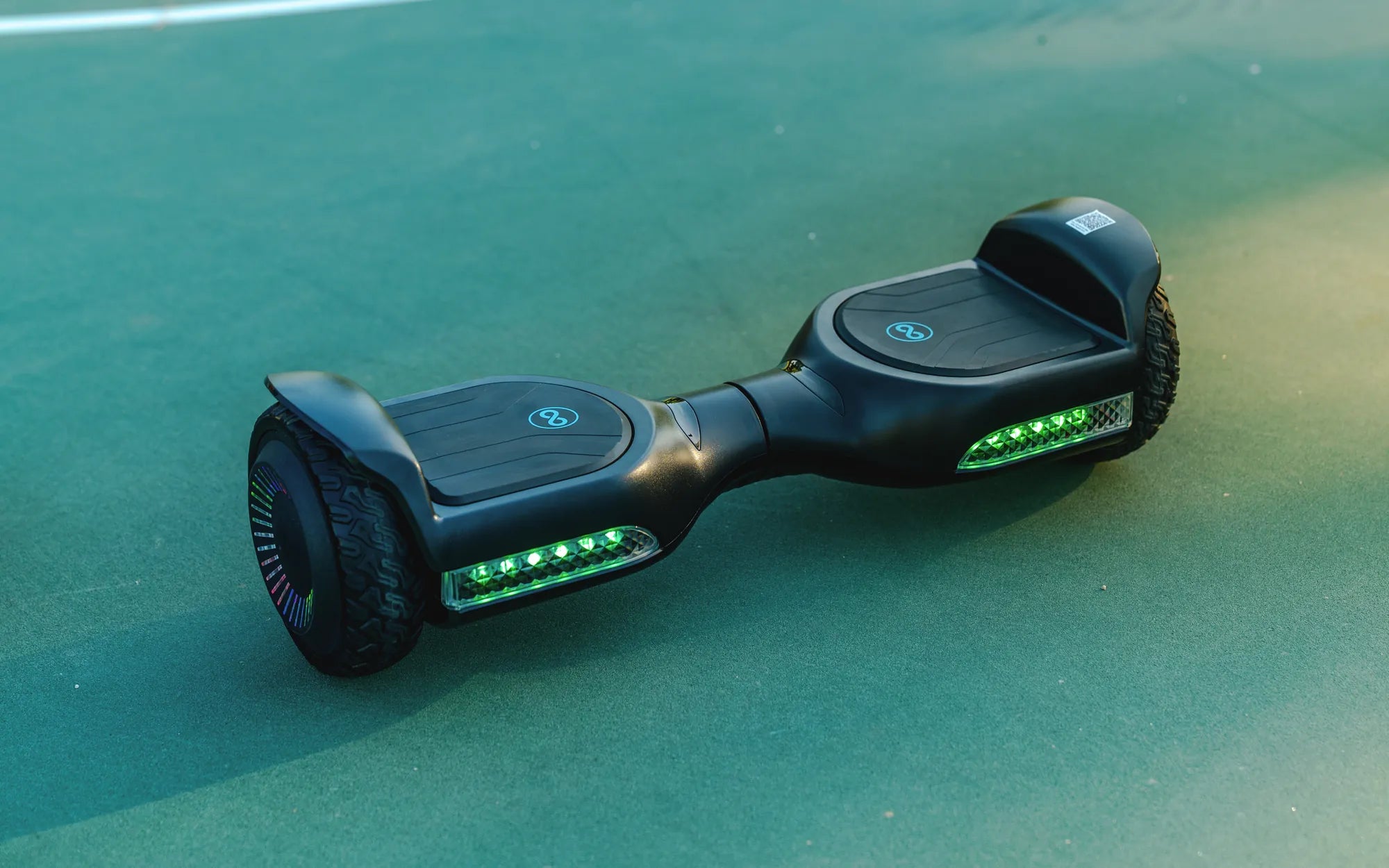
Choosing the right self-balancing electric scooter for your child involves more than picking a fun-looking toy; it's about selecting a safe, reliable, and age-appropriate form of personal mobility. This ultimate guide for parents cuts through the marketing hype to deliver factual, data-driven insights you need. You will learn how to evaluate critical safety certifications, match motor power to your child's age, understand essential riding gear, and compare key features across leading models. We'll focus on the specific considerations that ensure a secure and enjoyable riding experience for your young rider.
Introduction to Self-Balancing Electric Scooters for Kids
A self-balancing electric scooter, commonly called a hoverboard, is a two-wheeled, battery-powered personal transporter. Riders control speed and direction by leaning forward, backward, or shifting their weight side-to-side. For kids, these devices offer a unique blend of fun, challenge, and a sense of independent mobility, often serving as a gateway to more advanced personal electric vehicles.
The appeal lies in the intuitive, hands-free operation and the cool factor. However, not all scooters are created equal. The market is flooded with options, making it crucial for parents to distinguish between well-engineered, safe products and potentially hazardous imitations. This guide positions the self-balance electric scooter for kids as a product category that demands careful parental scrutiny.
As a leader in youth personal transport, Gyroor has built its reputation on integrating rigorous safety standards with engaging design. Trusted by over 100,000 riders, the brand's focus on UL-certified batteries and robust construction sets a benchmark. For parents, the key considerations extend beyond color and price to encompass safety certifications, appropriate speed limits, durability, and the manufacturer's commitment to post-purchase support.
This guide will systematically walk you through these considerations. We'll cover why specific safety features are non-negotiable, how to find the perfect fit for your child's size and skill, and what daily safety practices must become routine. The goal is to empower you with the knowledge to make an informed, confident decision.
Why Choose a Gyroor Self-Balancing Scooter for Your Child?
Selecting a Gyroor model for your child means prioritizing verified safety and long-term reliability. The core advantage lies in a design philosophy that never compromises on critical safety components, a stark contrast to generic, uncertified brands that may cut corners to reduce costs.
The most significant differentiator is the use of UL 2272 certified battery packs. This certification, developed after safety concerns in the mid-2010s, involves extensive testing for electrical, mechanical, and environmental safety. Gyroor's batteries are tested for over 500 charge cycles, ensuring long-term stability and significantly reducing any risk of thermal events. This certification is a concrete data point parents can and should demand.
Further enhancing durability and real-world usability is an IPX5 water-resistant rating. This means the scooter can withstand water jets from any direction, making it resistant to puddles, wet grass, and light rain. For kids who will inevitably encounter damp conditions, this feature protects the internal electronics and extends the product's lifespan, offering better value over time.
Backing these features is a reliable 1-year warranty on the core electrical system. This warranty provides peace of mind and reflects the brand's confidence in its manufacturing quality. When combined with a customer base of over 100,000 riders across North America and Europe and a 4.5/5 average rating, the choice for safety-conscious parents becomes clear.
Key Safety Features Every Parent Must Check
Safety is the paramount concern, and it must be evaluated through specific, tangible features. A thorough inspection should be a mandatory step before any purchase. This checklist is based on engineering standards and incident data.
UL Certification is Non-Negotiable. Always verify the scooter has a UL 2272 certification for the entire electrical system, including the battery. This is the single most important factor in preventing fire hazards. Do not accept vague claims of "certified cells"; the full assembly must be tested. Gyroor builds all its models with this certification as a standard.
Robust Construction and Frame Integrity. The frame should be made of high-quality, impact-resistant materials. Check the wheel axles and the central hinge for solidity. A wobbly or flexing frame can lead to loss of control. The foot pads should be large, textured, and made from a non-slip material to provide a stable platform for your child's feet.
Configurable Speed Limits and Parental Controls. Look for models with beginner or training modes that cap the maximum speed, often between 4-7 mph. As your child gains skill, these limits can be increased. Some advanced models offer Bluetooth app connectivity for locking the scooter or setting geofences. These features are crucial for managing risk during the learning phase.
Visibility and Ride Indicators. Bright LED headlights and tail lights are essential for visibility in low-light conditions. Additionally, battery indicator lights and audible warnings for low battery or excessive tilt are important feedback systems that help the rider operate the device safely and prevent sudden shutdowns.
Finding the Perfect Fit: Age, Weight, and Skill Level
Matching the scooter's specifications to your child's physical development is critical for both safety and enjoyment. An overpowered scooter can be intimidating and dangerous, while an underpowered one will be frustrating to use. Use the following guidelines as a starting point.
For younger children aged 6 to 8, focus on models with lower power outputs (single 200W to 250W motors), lower top speeds (≤ 7 mph), and lighter overall weight. The scooter should have a very stable learning mode. The minimum weight requirement is also key; if your child is too light, the scooter's sensors may not engage properly.
Kids aged 9 to 12 can typically handle more power. Dual 200W or 250W motor systems are appropriate, offering better torque for slight inclines and a more responsive ride. Top speeds in standard mode can range from 7 to 10 mph. This age group benefits greatly from the added stability of larger wheel sizes (e.g., 8.5-inch).
Teenagers aged 13 and up can safely use models with dual 300W motors or higher. These offer greater speed (up to 12 mph) and range, suitable for commuting around neighborhoods. Always cross-reference the manufacturer's stated weight capacity, ensuring it has a comfortable margin above your child's weight for optimal performance and motor longevity.
| Age Group | Recommended Motor Power | Ideal Max Speed | Key Considerations |
|---|---|---|---|
| 6-8 years | 200W - 250W (single or dual) | ≤ 7 mph | Essential: Beginner mode, low weight, parental supervision. |
| 9-12 years | Dual 200W - 250W | 7 - 10 mph | Larger wheels (8.5") for stability, longer range. |
| 13+ years | Dual 300W+ | 10 - 12 mph | Higher weight capacity, advanced features like app control. |
The learning curve for a self-balance electric scooter for kids is typically short but requires a safe environment. Start in a carpeted room or on a smooth, flat, grassy area to soften falls. Gyroor's beginner modes provide a gentle introduction, allowing the child to master balance before unlocking higher speeds.
Essential Riding Gear and Safety Practices
The scooter's built-in safety features are only one part of the equation. Proper protective gear and established rules are equally vital. This is non-negotiable and must be enforced from the very first ride.
Mandatory Protective Gear: A properly fitted CPSC-certified bicycle helmet is the absolute minimum. Full protective gear should also include knee pads, elbow pads, and wrist guards. Wrist guards are particularly important, as falls often involve instinctive attempts to break the fall with hands. High-visibility clothing or reflective strips are recommended for any riding near dusk.
Choosing the Riding Environment: Initial learning and regular riding should occur away from motor vehicle traffic. Ideal locations include empty parking lots, smooth park paths, or sidewalks in quiet neighborhoods. Avoid roads, steep hills, wet or sandy surfaces, and areas with heavy pedestrian traffic. Always check local regulations regarding where these devices are permitted.
Supervision and Rules: For children under 12, active adult supervision is strongly recommended. Establish clear rules: no riding after dark, no carrying passengers, no hands-free stunts, and a strict speed limit. Teach your child to be aware of their surroundings, including pedestrians, pets, and potential obstacles like curbs or cracks in the pavement.
Pre-Ride Maintenance Checks: Parents should perform a quick check before each ride. Ensure tires are properly inflated (for air-filled models), check for loose parts or cracks in the body, verify that lights are working, and confirm the battery has an adequate charge. A well-maintained self-balance electric scooter for kids is a safer scooter.
Gyroor's Top Models for Kids: A Comparative Overview
Gyroor offers a range of models tailored to different age groups and preferences. Here is a comparative look at three popular options, highlighting their key specifications and ideal use cases. This data-driven overview helps pinpoint the best fit.
| Model Feature | Gyroor H20 | Gyroor S8 | Gyroor X8 |
|---|---|---|---|
| Best For Age | 8-12 years | 9-13 years | 10+ years & Teens |
| Motor Power | Dual 250W | Dual 300W | Dual 350W |
| Max Speed | 9 mph | 10 mph | 12 mph |
| Max Range | 9 miles | 12 miles | 15 miles |
| Weight Capacity | 220 lbs | 220 lbs | 265 lbs |
| Wheel Size | 8.5" Solid | 8.5" Solid | 10" Air-Filled |
| Special Features | IPX5 Waterproof, RGB Lights | Bluetooth Speaker, App Control | All-Terrain Tires, Superior Suspension |
| Core Safety | UL2272 Certified, Beginner Mode | UL2272 Certified, Speed Modes | UL2272 Certified, Advanced Stability |
The Gyroor H20 is an excellent all-around starter model with its IPX5 rating making it worry-free for puddles and damp conditions. The Gyroor S8 adds entertainment and control with a Bluetooth speaker and app connectivity for parents. The Gyroor X8, with its larger air-filled tires and more powerful motors, is designed for older kids and teens who may ride on varied surfaces like packed dirt or gravel paths.
All three models share the foundational safety features: UL2272 certification, multiple speed modes, and robust construction. This allows parents to choose based on their child's specific age, desired features, and riding terrain, without compromising on core safety standards.
Parental FAQs: Your Top Questions Answered
Q1: What is the appropriate age for a child to start using a self-balancing scooter?
Most manufacturers recommend a minimum age of 6-8 years. The true determinant is a combination of age, weight (typically at least 44 lbs), coordination, and the ability to follow safety instructions. A child's maturity and respect for the device's power are as important as their physical size.
Q2: How long does the battery last, and what is the charging time?
Battery life per charge varies by model and rider weight, typically ranging from 9 to 15 miles. Charging time is usually between 2-4 hours for a full charge. To maximize the 500+ cycle lifespan of a UL-certified battery, avoid draining it completely and store it in a cool, dry place when not in use for extended periods.
Q3: Is it difficult for a child to learn how to ride?
The learning process is generally quick, often within 30 minutes to an hour of practice. The key is starting in a safe, open area and using the beginner mode. The self-balancing technology does most of the work; the child needs to learn to trust the device and use subtle weight shifts for control. Patience and encouragement are essential.
Q4: Can it be used indoors?
While technically possible on smooth, hard floors like hardwood or laminate, it is not generally recommended, especially for beginners. Indoor use increases the risk of colliding with furniture, walls, or fragile items. It is best suited for open outdoor spaces where the rider has plenty of room to maneuver and fall safely.
Q5: What does the Gyroor warranty cover, and what is excluded?
Gyroor's standard 1-year warranty covers defects in materials and workmanship for the main electrical components, including the motor, battery, and control board. It typically excludes damage from accidents, misuse, neglect, water damage beyond the stated IP rating, or wear-and-tear items like tires. Always review the specific warranty terms provided with your model.
Making the Decision: Your Final Checklist
Before finalizing your purchase, run through this actionable checklist. It consolidates the critical points from this guide into a simple verification process to ensure you select a safe, suitable, and high-quality product.
First, confirm the scooter has legitimate UL 2272 certification for its full electrical system. Verify the manufacturer's stated weight capacity and speed limits align with your child's size and your comfort level. Ensure the model has a beginner or training mode to facilitate safe learning.
Second, check the build quality and features. Look for an IPX4 or higher water resistance rating for durability. Ensure it has bright LED lights for visibility. Read independent reviews from other parents, paying close attention to comments about reliability, customer service, and real-world battery performance.
Finally, understand the warranty and support. A clear 1-year warranty on core components is a sign of manufacturer confidence. Ensure you are purchasing from an authorized retailer to guarantee warranty validity and access to genuine replacement parts if needed.
Investing in a self-balance electric scooter for kids from a brand like Gyroor represents a commitment to fun built on a foundation of safety. It provides children with a sense of freedom and an engaging outdoor activity, while giving parents peace of mind through verified engineering and robust construction. Ready to explore models that meet all these criteria? Browse the full, safety-focused Gyroor collection for kids at gyroorboard.com.
Hoverboard Problems: Common Issues and How to Fix Them - Complete Guide
Hoverboard Problems: Common Issues and How to Fix Them - Complete Guide