



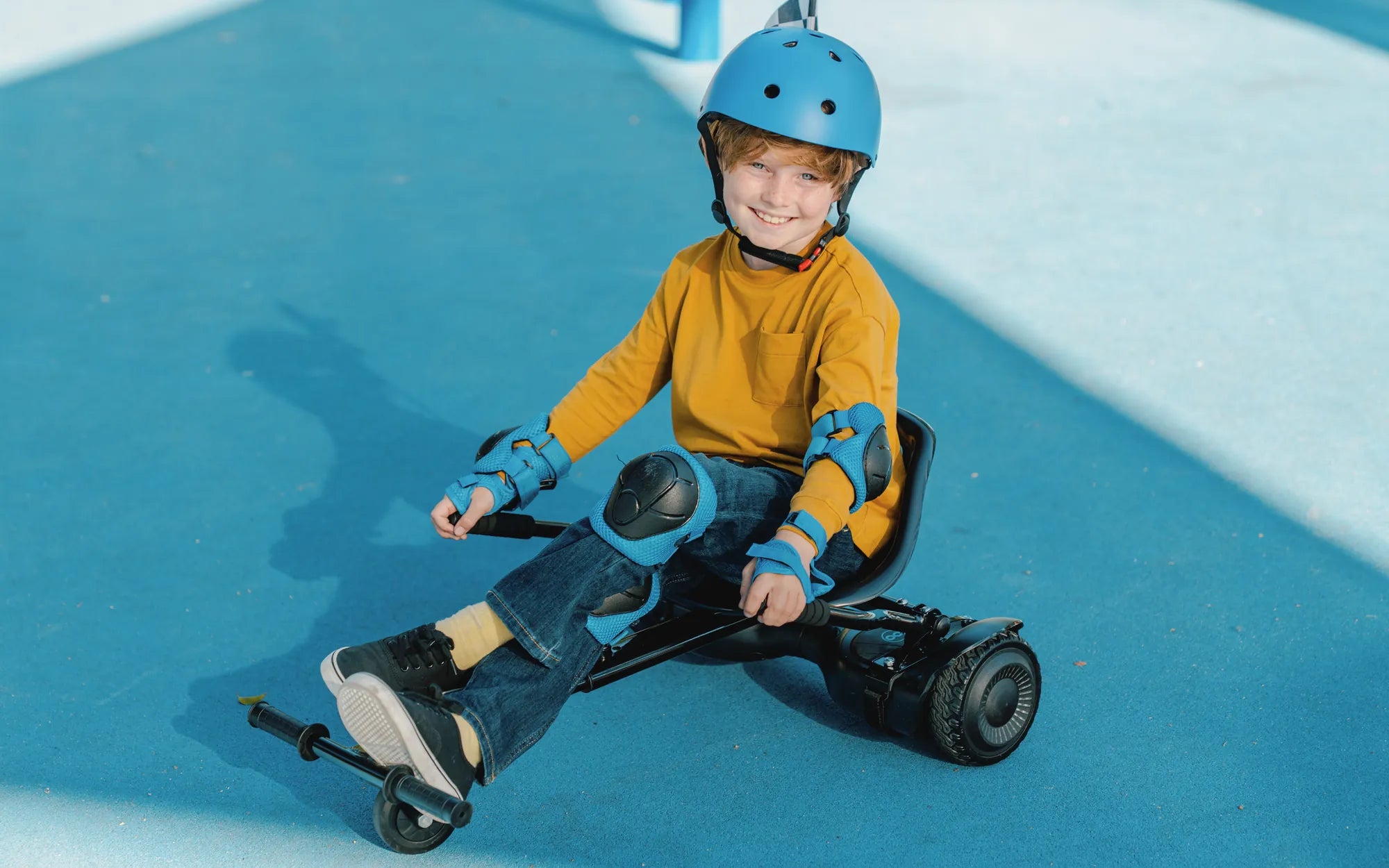
Imagine gliding down the street with effortless precision, your hoverboard adjusting seamlessly to every movement as if it were an extension of your body. This is the magic of self-balancing mode on hoverboards—a game-changing feature that transforms the way we ride. Whether you're a beginner or an experienced rider, this technology ensures a smooth, stable, and intuitive experience, making it easier than ever to enjoy the thrill of personal mobility.
How Self-Balancing Mode Works
At the heart of every modern hoverboard lies a sophisticated self-balancing system. This technology relies on a combination of gyroscopes, accelerometers, and microprocessors that work in harmony to detect shifts in your body weight. When you lean forward, the sensors interpret this movement and signal the motors to propel the board forward. Similarly, leaning backward slows you down or reverses direction. The system constantly adjusts to maintain equilibrium, ensuring you stay upright and in control.
The Benefits of Self-Balancing Technology
Self-balancing mode isn't just a fancy add-on—it's a fundamental feature that enhances safety and accessibility. For beginners, it eliminates the steep learning curve traditionally associated with hoverboards. Riders can focus on enjoying the ride rather than struggling to maintain balance. Even experienced users benefit from the added stability, especially on uneven terrain or during sharp turns. This technology also reduces fatigue, allowing for longer, more comfortable rides.
Advanced Features in Self-Balancing Mode
Modern hoverboards take self-balancing to the next level with intelligent features like speed adjustment based on riding conditions and automatic stabilization when encountering obstacles. Some models even offer customizable sensitivity settings, allowing riders to tailor the responsiveness to their personal preference. These innovations create a riding experience that feels natural and intuitive, whether you're commuting or just having fun.
Safety Considerations
While self-balancing technology significantly improves safety, riders should still follow basic precautions. Always wear protective gear, start in beginner mode if available, and practice in open spaces before navigating crowded areas. The hoverboard's self-balancing system works best when the rider maintains proper posture—standing centered with knees slightly bent. Understanding the limits of the technology helps prevent accidents and ensures optimal performance.
The Future of Self-Balancing Transportation
As self-balancing technology continues to evolve, we're seeing its principles applied to various forms of personal transportation. The algorithms and sensors developed for hoverboards are paving the way for more advanced mobility solutions. Future iterations may incorporate artificial intelligence to predict rider movements or adapt to individual riding styles, creating an even more personalized experience.
From effortless commutes to weekend adventures, self-balancing mode on hoverboards represents the perfect marriage of technology and recreation. As you step onto your board and feel it instantly respond to your movements, you'll understand why this innovation has transformed personal transportation. The future of riding is here—stable, smart, and incredibly fun.
About Hoverboard: The Future of Personal Transportation
My Hoverboard Won't Calibrate: Troubleshooting Guide and Fixes