



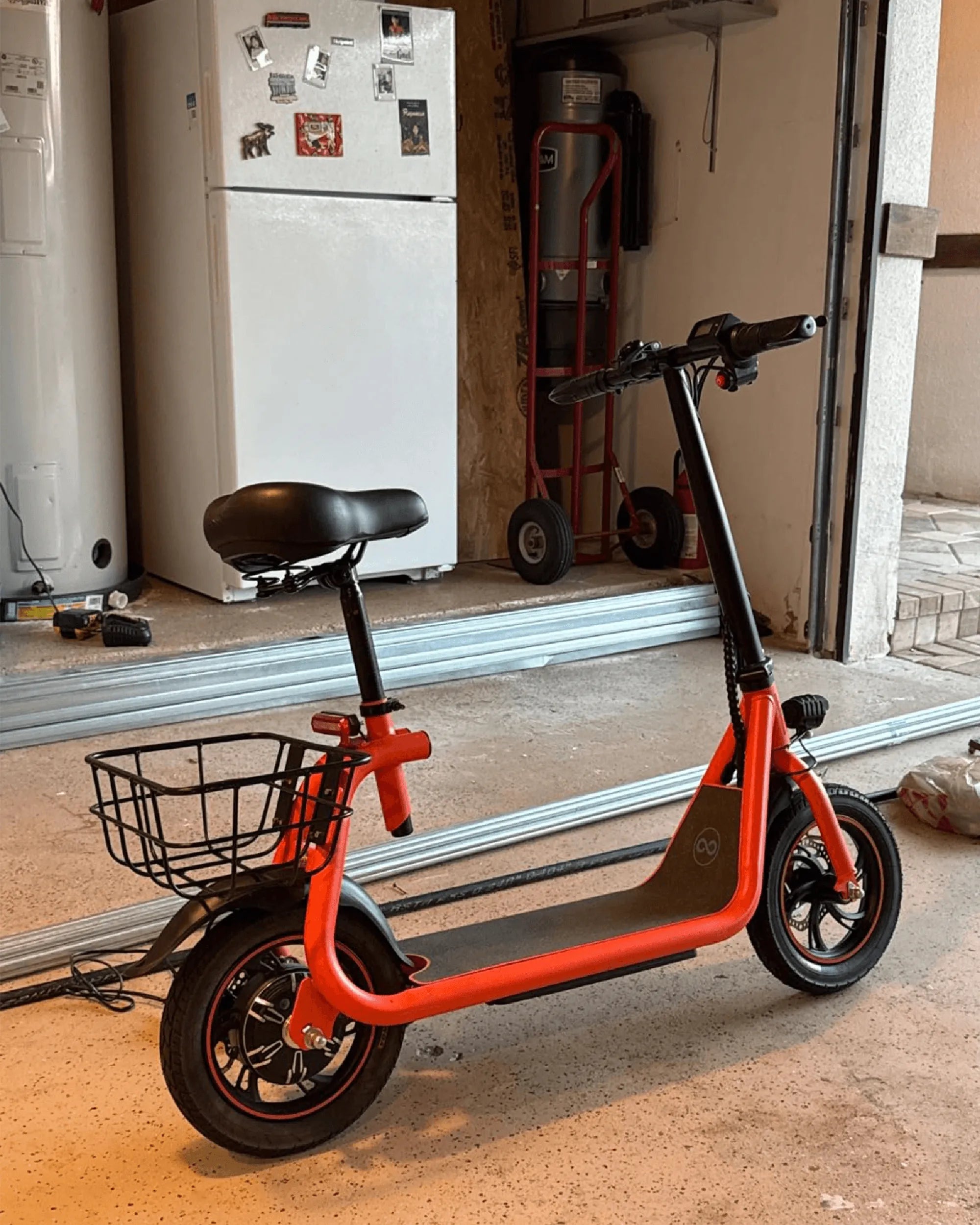
Self-balancing scooters have revolutionized personal transportation, offering a fun and efficient way to get around. But if you're on the heavier side or plan to carry extra weight, you need to pay close attention to the self balancing scooter max weight limit. Ignoring this crucial detail could lead to accidents, reduced battery life, or even damage to your device. Let’s dive into why weight limits matter and how to find the perfect scooter for your needs.
Why Does the Max Weight Limit Matter?
The max weight limit of a self-balancing scooter isn’t just a random number—it’s a carefully calculated threshold that ensures safety, performance, and durability. Exceeding this limit can strain the motor, drain the battery faster, and make the scooter harder to control. Manufacturers set these limits based on factors like motor power, battery capacity, and structural integrity. Riding above the recommended weight can void warranties and increase the risk of accidents.
How Weight Affects Performance
When you exceed the self balancing scooter max weight, several performance issues can arise. The motor has to work harder to maintain balance, which leads to faster battery depletion. You might also notice slower acceleration and reduced top speed. Additionally, the scooter’s frame and tires endure more stress, increasing wear and tear. For a smooth and safe ride, always stay within the manufacturer’s specified limit.
Choosing the Right Scooter for Your Weight
Not all self-balancing scooters are built the same. Some models are designed for lighter riders, while others can handle heavier loads. Here’s what to look for:
- Motor Power: Scooters with higher wattage motors (typically 500W or more) can support heavier riders.
- Battery Capacity: A larger battery ensures longer ride times, even under heavier loads.
- Wheel Size: Larger wheels provide better stability and weight distribution.
- Build Quality: Look for sturdy materials like reinforced aluminum or carbon fiber.
Safety Tips for Heavier Riders
If you’re close to the self balancing scooter max weight, follow these safety tips to ensure a smooth ride:
- Always wear protective gear, including a helmet and knee pads.
- Avoid steep inclines or rough terrain that could strain the motor.
- Charge the battery fully before each ride to maximize performance.
- Check tire pressure regularly to maintain optimal balance.
Common Misconceptions About Weight Limits
Many riders assume that exceeding the weight limit by a few pounds won’t make a difference. However, even small overages can impact performance over time. Another myth is that all scooters can handle the same weight—reality is, budget models often have lower limits. Always check the specifications before purchasing.
Final Thoughts
Riding a self-balancing scooter should be a fun and safe experience, but ignoring the self balancing scooter max weight can turn it into a hazard. By choosing the right model and following safety guidelines, you can enjoy a smooth ride without compromising performance. Ready to find the perfect scooter? Keep these tips in mind and ride with confidence!
2 Wheel Self Balancing Scooter Canada: The Ultimate Urban Commuting Solution
2 Wheel Self Balancing Scooter Canada: The Ultimate Urban Commuting Solution