

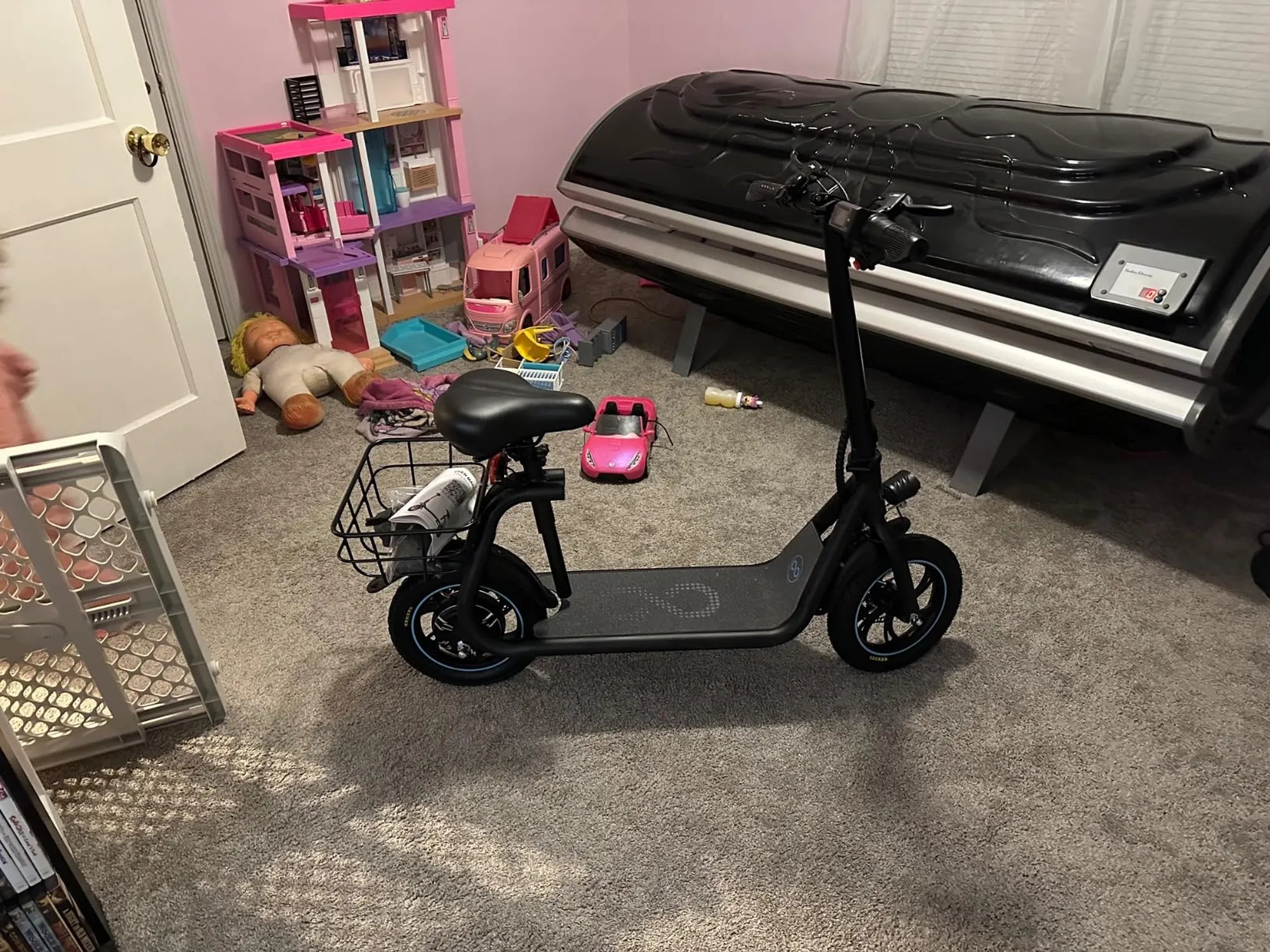
Few things are as frustrating as plugging in your self-balancing scooter only to find it refuses to charge. Whether you rely on it for daily commutes or weekend fun, a dead battery can bring your plans to a screeching halt. But before you give up and start shopping for a replacement, let's dive into the possible causes and solutions for this common issue.
Common Causes of Charging Problems
When your self-balancing scooter won't charge, the problem could stem from several sources. Understanding these potential issues will help you diagnose and fix the problem efficiently.
1. Power Source Issues
Before assuming the worst about your scooter, check the basics. Is the power outlet working? Try plugging in another device to verify. Sometimes, the problem isn't with your scooter at all but with the electrical source.
2. Faulty Charger
The charger itself might be the culprit. Look for visible damage to the cable or adapter. If possible, test with another compatible charger to see if that resolves the issue.
3. Battery Problems
Lithium-ion batteries, common in self-balancing scooters, can degrade over time. If your scooter is older or hasn't been used in a while, the battery might have reached the end of its lifespan.
4. Charging Port Damage
Examine the charging port on your scooter for dirt, debris, or physical damage. A loose or corroded connection can prevent proper charging.
5. Internal Circuit Issues
More complex problems might involve the scooter's internal circuitry. This could include a blown fuse, damaged charging controller, or other electronic component failures.
Troubleshooting Steps
Now that we've identified potential causes, let's walk through systematic troubleshooting steps to pinpoint and possibly fix the issue.
Step 1: Verify the Power Source
Start with the simplest possibility. Plug another device into the same outlet to confirm it's working. Try different outlets in your home to rule out localized electrical issues.
Step 2: Inspect the Charger
Carefully examine the charger from plug to connector. Look for:
- Frayed or damaged cables
- Bent or broken pins in the connector
- Signs of overheating or melting
Step 3: Check the Charging Port
With the scooter powered off, inspect the charging port:
- Use a flashlight to look for debris or corrosion
- Gently clean the port with compressed air or a dry toothbrush
- Check for loose connections or bent pins
Step 4: Test the Battery
If your scooter has been stored for an extended period, the battery might need a jump start. Some models allow you to press the power button while connected to the charger to initiate charging.
Step 5: Reset the Scooter
Many self-balancing scooters have a reset function. Consult your user manual for specific instructions, as the process varies by model.
When to Seek Professional Help
While many charging issues can be resolved at home, some situations call for professional assistance:
- Visible damage to internal components
- Suspected battery swelling or leakage
- Electrical burning smells
- Persistent issues after basic troubleshooting
Preventive Maintenance Tips
To avoid future charging problems, follow these maintenance best practices:
1. Proper Storage
When not in use for extended periods, store your scooter with about 50% battery charge in a cool, dry place.
2. Regular Use
Lithium-ion batteries benefit from regular use. Try to ride your scooter at least once every few weeks.
3. Clean Connections
Periodically clean the charging port and connector to prevent dirt buildup that can interfere with charging.
4. Avoid Extreme Temperatures
Never charge your scooter in extremely hot or cold environments, as this can damage the battery.
Understanding Battery Health
Batteries naturally degrade over time. Most lithium-ion batteries in self-balancing scooters last between 300-500 charge cycles before significant capacity loss occurs. If your scooter is several years old and won't hold a charge like it used to, battery replacement might be necessary.
DIY Fixes vs. Professional Repair
While some charging issues can be fixed at home, others require professional tools and expertise. Consider your comfort level with electronics before attempting complex repairs. Improper handling of lithium-ion batteries can be dangerous.
Don't let a charging problem keep your self-balancing scooter grounded. With these troubleshooting tips and maintenance practices, you'll be back to gliding smoothly in no time. Remember that persistence often pays off, and many charging issues have simple solutions once you identify the root cause.
Folding Electric Scooter Market: Trends, Growth, and Future Outlook
Basic Electric Scooter: The Ultimate Guide to Affordable and Efficient Commuting