



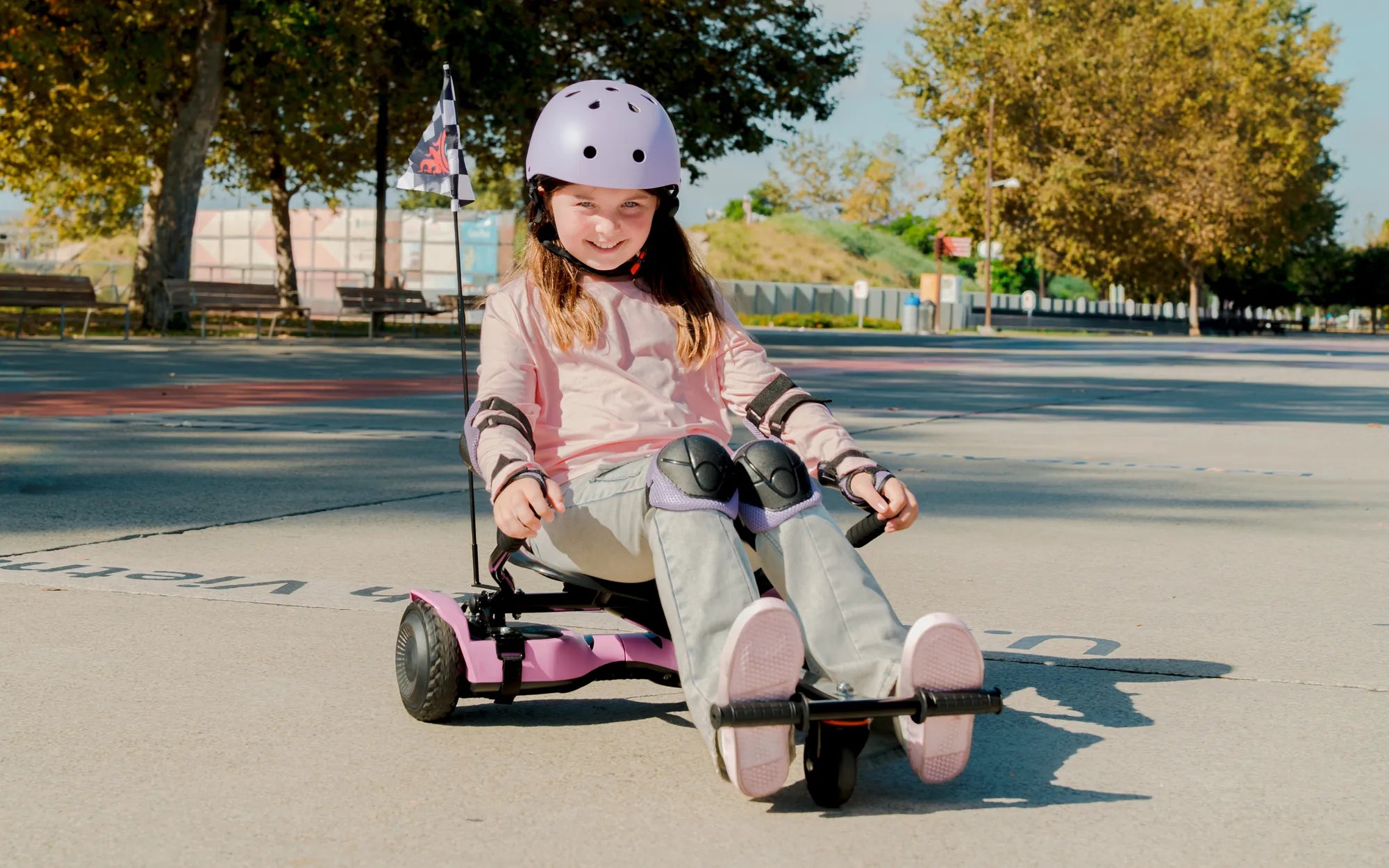
Imagine gliding effortlessly through city streets, weaving between pedestrians with the grace of a futuristic commuter. Self-balancing scooters called hoverboards have transformed from sci-fi fantasy to everyday reality, capturing the imagination of millions worldwide. These sleek, electric-powered devices aren't just toys - they represent a fundamental shift in how we think about personal transportation in crowded urban environments.
The Technology Behind Self-Balancing Scooters
At their core, self-balancing scooters called hoverboards rely on sophisticated gyroscopic technology that would impress even seasoned engineers. The magic happens through a combination of sensors, motors, and microprocessors working in perfect harmony. When you lean forward, pressure sensors detect the shift in weight and signal the motors to propel you forward. Lean back, and the system responds by slowing down or reversing direction.
The engineering marvel extends to the battery systems powering these devices. Modern lithium-ion batteries provide enough juice for 10-15 miles of continuous riding on a single charge, with charging times shrinking to just 1-2 hours in newer models. Some premium units even feature regenerative braking systems that recover energy during deceleration, extending their range even further.
Why Hoverboards Are Gaining Popularity
Urban commuters are flocking to self-balancing scooters called hoverboards for several compelling reasons. First, they solve the "last mile" problem that plagues public transportation systems. No more waiting for buses or paying for short taxi rides - your hoverboard gets you from the subway station to your office door in minutes.
Environmentally conscious users appreciate the zero-emission operation, especially when compared to gas-guzzling alternatives. Many cities are creating hoverboard-friendly infrastructure, recognizing their potential to reduce traffic congestion. The learning curve is surprisingly gentle too - most riders become proficient within 30 minutes, though mastering tricks and advanced maneuvers takes longer.
Safety Considerations Every Rider Should Know
While self-balancing scooters offer incredible convenience, responsible riding practices are essential. Quality matters tremendously when it comes to battery systems and construction materials. Always look for safety certifications and avoid suspiciously cheap models that might cut corners on critical components.
Protective gear isn't just for beginners - even experienced riders should consider helmets, knee pads, and wrist guards. Urban environments present unique challenges like uneven pavement, curbs, and unexpected obstacles. Night riders should equip their hoverboards with lights and wear reflective clothing for visibility.
The Cultural Impact of Hoverboards
Self-balancing scooters called hoverboards have transcended their practical utility to become cultural icons. Music videos, movies, and social media platforms are filled with hoverboard enthusiasts showing off their skills. Competitive hoverboard sports are emerging, with events like obstacle course racing and freestyle trick competitions gaining followers.
The devices have also sparked important conversations about urban planning and transportation policy. Some cities have embraced them as part of micromobility solutions, while others struggle with regulatory frameworks. This tension between innovation and regulation will likely continue as the technology evolves.
What the Future Holds for Hoverboard Technology
Next-generation hoverboards promise even more exciting features. Artificial intelligence integration could enable predictive balancing and automatic obstacle avoidance. Improved battery technology might double current range limits, while faster charging systems could make "refueling" as quick as a coffee break.
Some prototypes are experimenting with off-road capabilities, all-terrain tires, and even limited water resistance. The line between hoverboards and other personal electric vehicles continues to blur, with some models incorporating seats or handlebars for different riding preferences.
As you zip past gridlocked traffic on your self-balancing scooter, it's hard not to feel like you're living in the future. Hoverboards have moved beyond novelty status to become legitimate transportation solutions that combine fun, efficiency, and environmental responsibility. Whether you're a daily commuter or weekend adventurer, these incredible machines offer a thrilling new way to move through our world - one perfectly balanced glide at a time.
Electric Scooter for Three Year Old: A Safe and Fun Ride for Toddlers
Self Balancing Bicycle for Kids: The Future of Fun and Safe Riding