



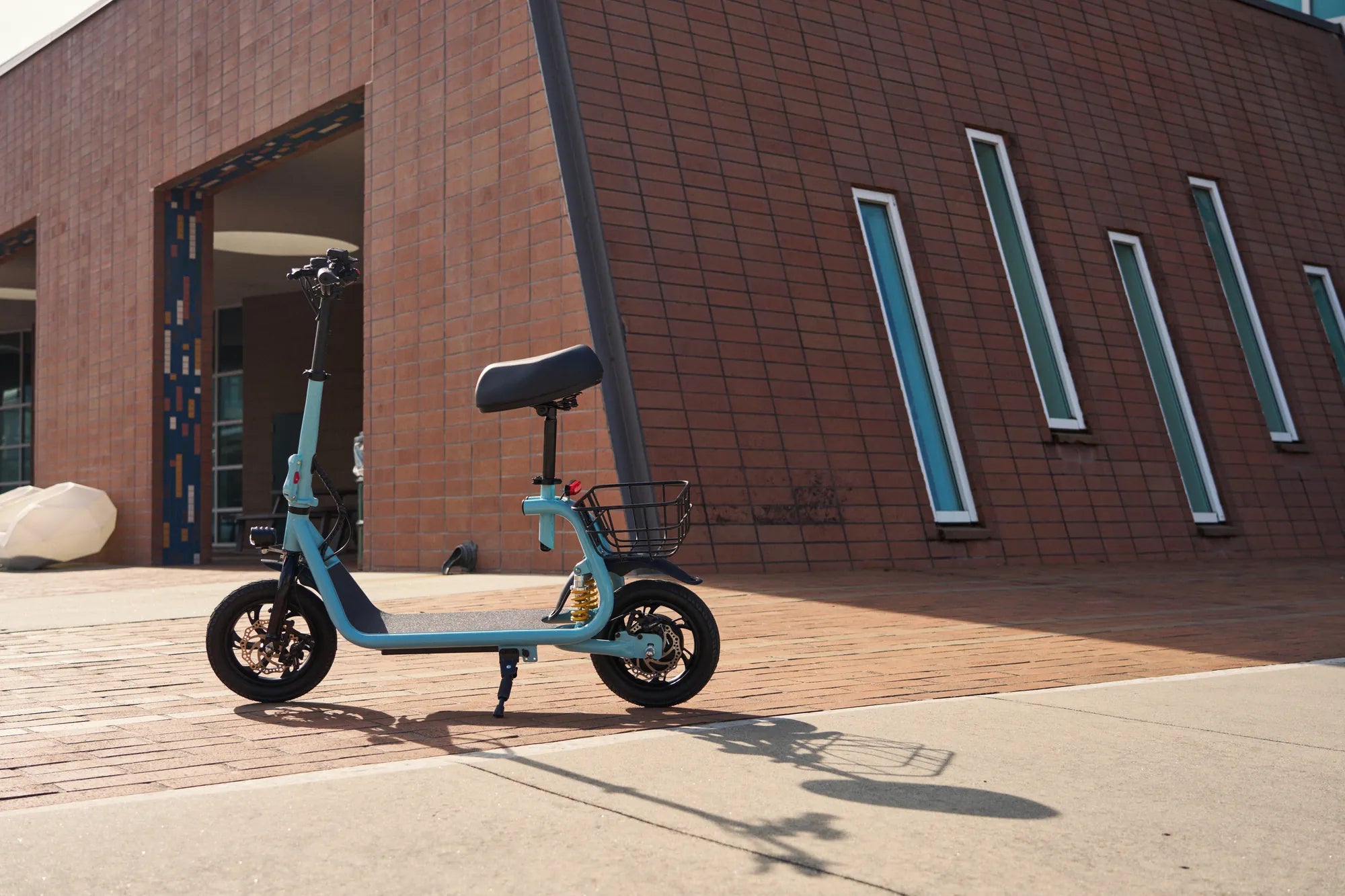
Introduction: Why the Right Adult Electric Scooter Matters
Choosing an electric scooter is more than a purchase; it's an investment in mobility, freedom, and efficiency. The right model transforms daily commutes, errands, and weekend adventures, while the wrong choice leads to frustration, range anxiety, or safety concerns. This guide cuts through marketing jargon to provide a factual framework for your decision.
Your perfect scooter must align with your specific needs, not just boast impressive headline numbers. We'll help you translate technical specs into real-world benefits, prioritize essential features, and understand the non-negotiable standards for safety and durability. With over 100,000 riders trusting brands like Gyroor across North America and Europe, the focus is on engineered reliability for adult use.
Shop electric scooters for adults with a clear strategy. This guide will equip you to evaluate motor power, interpret real-world range, and identify the build quality that ensures your scooter is a lasting companion. Let's begin by defining what you actually need from your ride.
Understanding Your Riding Profile: The First Step to a Perfect Match
Before comparing models, conduct a honest self-assessment. Your primary use case dictates every major specification. Consider these factors: one-way commute distance, typical terrain (flat city streets, moderate hills, or light trails), frequency of use (daily or weekly), cargo needs, and storage/portability requirements.
Ignoring this step is the most common mistake. A scooter built for short, flat errands will struggle on a hilly 10-mile commute, while an overbuilt, heavy off-road model is impractical for a train commuter who needs to carry it upstairs. Define your profile first.
The Urban Commuter
For daily city travel, consistency is key. You need a scooter that handles stop-and-go traffic, uneven pavement, and weather variations. Ideal specs include a reliable 15-20 mph top speed, a real-world range exceeding your round-trip commute by at least 30%, and a compact folding mechanism.
Comfort features like suspension or pneumatic tires are crucial for absorbing shocks from potholes and cracks. Portability matters if you need to bring it into an office or onto public transit. A weight under 40 lbs is a reasonable target for daily carrying.
The Weekend Adventurer
Recreational riding demands versatility and endurance. Your scooter should handle longer distances, varied terrain, and occasional inclines. Prioritize a larger battery for a 25+ mile advertised range and a more powerful motor (500W minimum) for confident hill climbing.
Durability takes precedence over ultra-portability. Look for robust construction, wider decks for stability, and enhanced suspension or larger tires for comfort on longer rides. These models may be heavier but are built for exploration rather than daily carrying.
The Errand Runner & Last-Mile Conqueror
This profile values practicality and convenience above all. The scooter bridges the gap between public transit and your destination or handles quick grocery trips. Lightweight design is paramount for easy carrying into stores or onto a bus.
A moderate range (10-15 real-world miles) is usually sufficient. Practical accessories like a integrated cargo hook, rear rack, or front basket add significant utility. The focus is on simplicity, ease of use, and hassle-free storage.
Decoding the Specs: What the Numbers Really Mean for You
Manufacturer specifications can be misleading. This section translates technical data into practical performance you can expect, helping you prioritize based on your rider profile.
Motor Power & Performance (250W vs. 500W vs. 1000W+)
Motor wattage (W) indicates potential power, directly affecting acceleration, hill-climbing ability, and top speed. A 250-350W motor is adequate for flat terrain and lighter riders at modest speeds. For most adults, especially in cities with hills, a 350W-500W motor provides necessary torque.
Motors exceeding 500W offer brisk acceleration and can handle steeper, sustained inclines. However, higher power impacts battery consumption and often comes with increased weight and cost. Match the power to your terrain: 350W for flat commutes, 500W+ for consistent hills.
Battery & Range: Separating Hope from Reality
The advertised range is a maximum figure achieved under ideal lab conditions: light rider, slow speed, warm temperature, and flat ground. Real-world range is typically 60-80% of the advertised number. Key factors reducing range include rider weight, hills, frequent acceleration, cold weather, and higher speeds.
Battery quality is a critical safety and longevity factor. UL-certified battery packs, like those used in Gyroor scooters, undergo rigorous testing for stability and are built with quality cells, ensuring safety over 500+ charge cycles. Never compromise on battery certification.
Build Quality, Weight, & Portability
The frame material, typically aluminum alloy, determines durability and weight. A heavier scooter (45-65 lbs) often indicates a larger battery and more robust components, aiding stability and range. A lighter scooter (25-40 lbs) prioritizes portability but may compromise on range or suspension.
Consider the scooter's folded dimensions and mechanism. A quick-folding latch is valuable for daily use. The maximum weight limit is also crucial; choose a scooter rated for at least 30-50 lbs above your weight for a safety margin and to preserve performance.
Beyond the Basics: Essential Features for Safety & Comfort
Headline specs tell part of the story. These features determine daily usability, safety, and long-term satisfaction.
Braking Systems: Disc, Drum, and Regenerative
Reliable braking is non-negotiable. Mechanical disc brakes offer strong, consistent stopping power and are easier to maintain than hydraulic systems. Drum brakes are enclosed, protecting them from elements, but can overheat on long descents.
Many scooters combine a physical brake (disc or drum) with an electronic regenerative brake, which uses the motor to slow the scooter and partially recharge the battery. A dual-braking system—using two different types—provides essential redundancy for safe stopping at adult riding speeds.
Tires & Suspension: Your Connection to the Road
Tires are your primary suspension. Air-filled (pneumatic) tires provide superior shock absorption and traction but risk punctures. Solid (airless) tires eliminate flats but transmit more vibration, requiring a good suspension system for comfort.
Suspension—whether spring or hydraulic—actively absorbs impacts from road imperfections. For commuters on rough city streets, a combination of pneumatic tires and front/rear suspension creates a dramatically smoother, safer, and less fatiguing ride.
Lights, Display, & Legal Compliance
For visibility and safety, a bright front headlight (200+ lumens) and a solid rear brake light are essential. Reflectors on the sides and wheels further increase visibility at night. A clear, intuitive display shows real-time speed, battery level (preferably as a percentage), and riding mode.
Familiarize yourself with local e-scooter laws, which often govern maximum speed (frequently 15-20 mph), required lighting, helmet use (mandatory for some ages), and where you can legally ride (bike lanes vs. roads vs. sidewalks).
Key Specifications Comparison Table
| Rider Profile | Recommended Motor | Target Real-World Range | Critical Features | Weight Consideration |
|---|---|---|---|---|
| Urban Commuter | 350W - 500W | 15 - 25 miles | Suspension, Reliable Brakes, IPX5 Rating | Under 45 lbs for portability |
| Weekend Adventurer | 500W+ | 25+ miles | Large Battery, Robust Tires, Enhanced Suspension | 45-65 lbs (Durability over Portability) |
| Errand Runner | 250W - 350W | 10 - 15 miles | Lightweight, Compact Fold, Cargo Hook/Basket | Under 35 lbs ideal |
The Gyroor Advantage: Engineered for Confidence and Reliability
When you shop electric scooters for adults, brand philosophy matters. Gyroor designs scooters that directly address the core concerns of adult riders: safety, durability, and real-world performance, backed by verifiable engineering standards.
UL-Certified Batteries: The Foundation of Safe Riding
This is the most critical differentiator. UL 2271 certification involves rigorous testing for electrical, mechanical, and environmental safety of the battery system. It mitigates fire risk—a paramount concern with lithium-ion batteries. Gyroor's use of UL-certified packs ensures long-term reliability and peace of mind, a standard not universally met in the market.
Built for the Real World: IPX5 Water Resistance & Durability
An IPX5 rating means the scooter can withstand water jets from any direction. In practice, this allows you to confidently ride in light rain, through puddles, or on freshly washed streets without fear of water damage to critical electronics. This feature, standard across Gyroor models, significantly enhances practicality and longevity for daily riders.
Riding with Peace of Mind: The 1-Year Warranty & Support
A comprehensive 1-year warranty on the scooter, battery, and motor demonstrates confidence in product quality. It protects your investment against manufacturing defects. Coupled with accessible customer support, it simplifies ownership, ensuring you have assistance for troubleshooting and genuine parts if needed.
Making Your Decision: A Final Checklist Before You Buy
Use this actionable checklist to evaluate any model. Combine your rider profile needs with these non-negotiable and nice-to-have features.
- Primary Use: Does it match your defined profile (Commuter, Adventurer, Errand Runner)?
- Real-World Range: Does the estimated real-world range (70-80% of advertised) exceed your typical trip length?
- Motor Power: Is it sufficient for your weight and local terrain (350W min for hills)?
- Safety Certifications: Does it have a UL-certified battery (or equivalent) and a reliable dual-braking system?
- Durability: Does it have an IPX5 (or higher) water resistance rating and a robust frame?
- Weight & Portability: Is the weight and folded size manageable for your storage and carrying needs?
- Warranty & Support: Is there a minimum 1-year comprehensive warranty from a reputable brand?
For example, an urban commuter should verify: Range >18mi, Motor >350W, Weight <45lbs, IPX5 rating, and dual brakes—criteria met by models like the Gyroor C1 series.
Frequently Asked Questions (FAQ)
Q: How far can I *really* expect to ride on a single charge?
A: Plan for 60-80% of the advertised maximum range under normal conditions. For a scooter advertised at 25 miles, a realistic expectation is 15-20 miles, factoring in average speed, rider weight, and minor hills. Always buy a scooter with a range buffer for your needs.
Q: Are electric scooters for adults difficult to maintain?
A: They require minimal but consistent maintenance. Key tasks include checking tire pressure weekly (for pneumatic tires), testing brake function regularly, keeping the scooter clean, and storing it in a dry place. Brands with robust construction and good warranty support, like Gyroor, minimize maintenance complexity.
Q: Can I ride an e-scooter in the rain?
A: Yes, if it has a sufficient water resistance rating. Scooters with an IPX5 rating (like all Gyroor models) are protected against water jets, making them safe for riding in light to moderate rain and on wet roads. Avoid deep puddles that could submerge the deck or electronics.
Q: What is the most important safety gear?
A: A certified bicycle or multi-impact helmet is the single most important piece of safety gear. Additionally, consider high-visibility clothing or accessories for night riding, gloves for grip and protection, and closed-toe shoes.
Q: How do I know if a scooter can handle my weight and local hills?
A: First, ensure the scooter's maximum load capacity exceeds your weight by a safe margin (ideally 50+ lbs). For hills, motor power is key. A 500W continuous motor is a good baseline for moderate hills. Look for torque figures or hill-climbing grades in specifications; a 15-20% grade capability is solid for most city inclines.
Conclusion: Your Journey Starts with an Informed Choice
The perfect electric scooter seamlessly integrates into your life, providing reliable, fun, and efficient mobility. By understanding your riding profile, decoding specifications into real-world benefits, and insisting on verified safety standards like UL certification and IPX5 water resistance, you make an empowered choice.
This guide provides the framework to cut through the noise and identify a scooter built to last. Brands that prioritize these engineering fundamentals, such as Gyroor with its certified batteries and all-weather designs, deliver the confidence adult riders deserve. Your next ride should be a source of freedom, not frustration.
Ready to find your ideal ride? Use the checklist in this guide to explore models that match your needs. Browse the full Gyroor collection at gyroorboard.com to see scooters engineered with the safety, durability, and performance standards discussed here.
Electric Scooters Under $500 for Adults: Affordable and Efficient Commuting Solutions
Who Invented Electric Scooters: The Fascinating History Behind the Modern Ride