



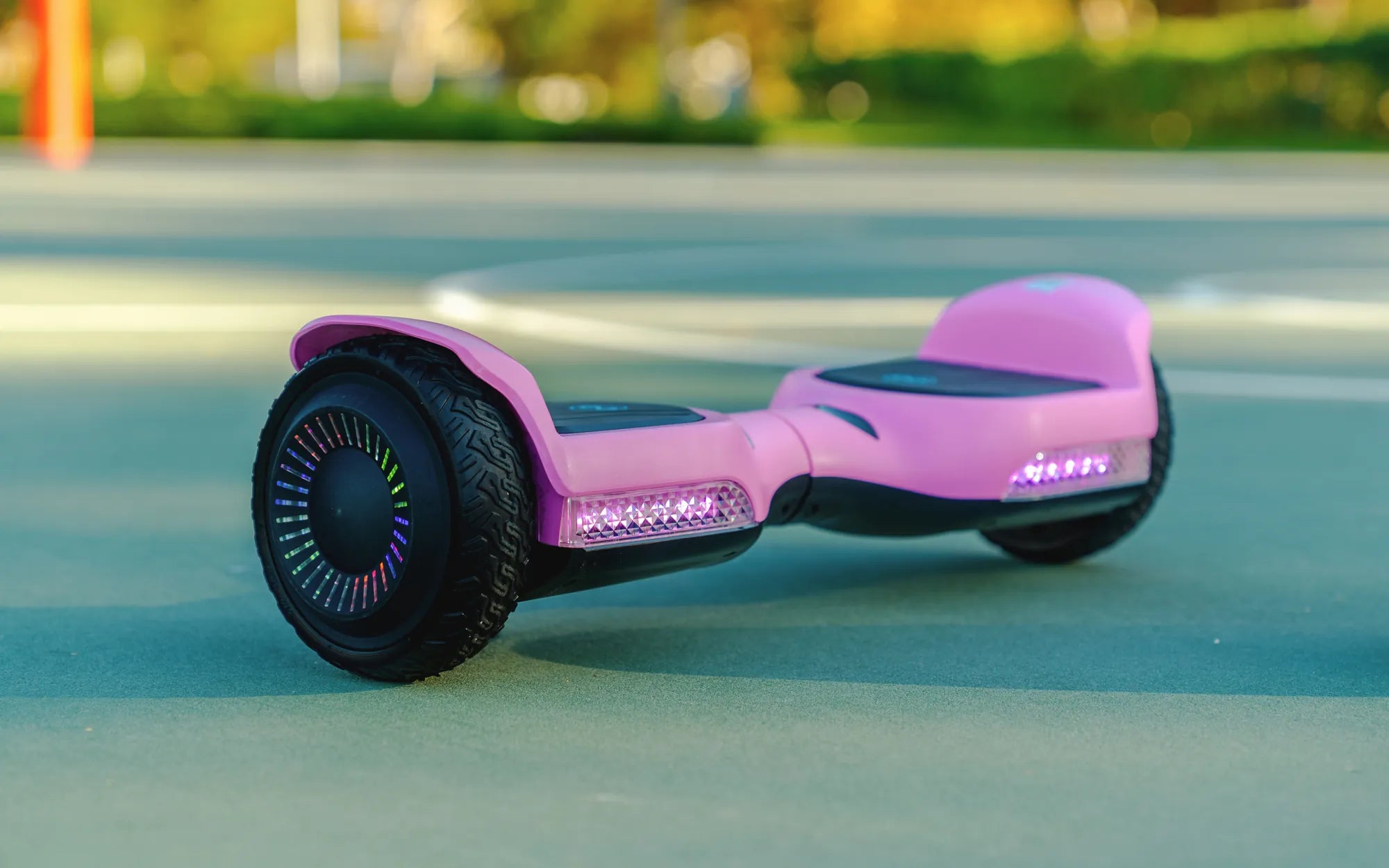
Hoverboards have become a popular toy among kids, but when it comes to young children, parents often wonder: should a 7-year-old have a hoverboard? The answer isn't straightforward—while these self-balancing scooters can be fun, they also come with risks. Before making a decision, it's crucial to weigh the pros and cons, understand safety concerns, and consider whether your child is ready for the responsibility.
The Appeal of Hoverboards for Kids
Hoverboards are undeniably cool. They offer a futuristic way to glide around, and for many kids, owning one feels like a dream come true. At age 7, children are developing coordination and balance, making hoverboards an intriguing challenge. The thrill of mastering a hoverboard can boost confidence and encourage outdoor play, which is a welcome break from screens.
Safety Concerns for Young Riders
Despite their appeal, hoverboards pose several risks for young children. The most significant concern is balance and control. A 7-year-old may not have the reflexes or strength to prevent falls, which can lead to injuries like fractures, sprains, or even head trauma. Additionally, hoverboards can reach speeds of up to 10 mph—fast enough to cause serious accidents if a child loses control.
Common Hoverboard Injuries
- Broken wrists or arms from falls
- Concussions due to lack of helmet use
- Burns from overheating batteries (rare but possible)
- Collisions with obstacles or pedestrians
Age Recommendations and Readiness
Most manufacturers recommend hoverboards for children aged 8 and up, but maturity and physical ability matter more than age. Some 7-year-olds may handle a hoverboard well, while others might struggle. Consider your child's:
- Balance and coordination skills
- Ability to follow safety rules
- Previous experience with similar devices (e.g., scooters or bikes)
Essential Safety Precautions
If you decide a hoverboard is appropriate for your 7-year-old, safety gear is non-negotiable. Here's what every young rider needs:
- A properly fitted helmet
- Wrist guards, knee pads, and elbow pads
- Closed-toe shoes with good grip
- A flat, obstacle-free practice area
Supervision is also key—never let a young child ride unsupervised, especially near roads or traffic.
Alternatives to Traditional Hoverboards
If a standard hoverboard seems too advanced, consider safer alternatives:
- Three-wheel hoverboards (more stable for beginners)
- Models with lower speed limits
- Manual scooters or balance bikes to build skills first
Making the Final Decision
Ultimately, the choice depends on your child's abilities and your willingness to enforce safety rules. If you proceed, start with short practice sessions and gradually increase riding time as their confidence grows.
Hoverboards can be a blast for kids, but safety should always come first. By taking the right precautions, you can help your 7-year-old enjoy the ride while minimizing risks. Ready to make a decision? Weigh the facts, trust your instincts, and ensure your child is prepared for the adventure ahead.
White Electric Scooter for Kids: The Ultimate Guide for Parents
Kids Foot Push Scooter: The Ultimate Guide to Fun and Safety