



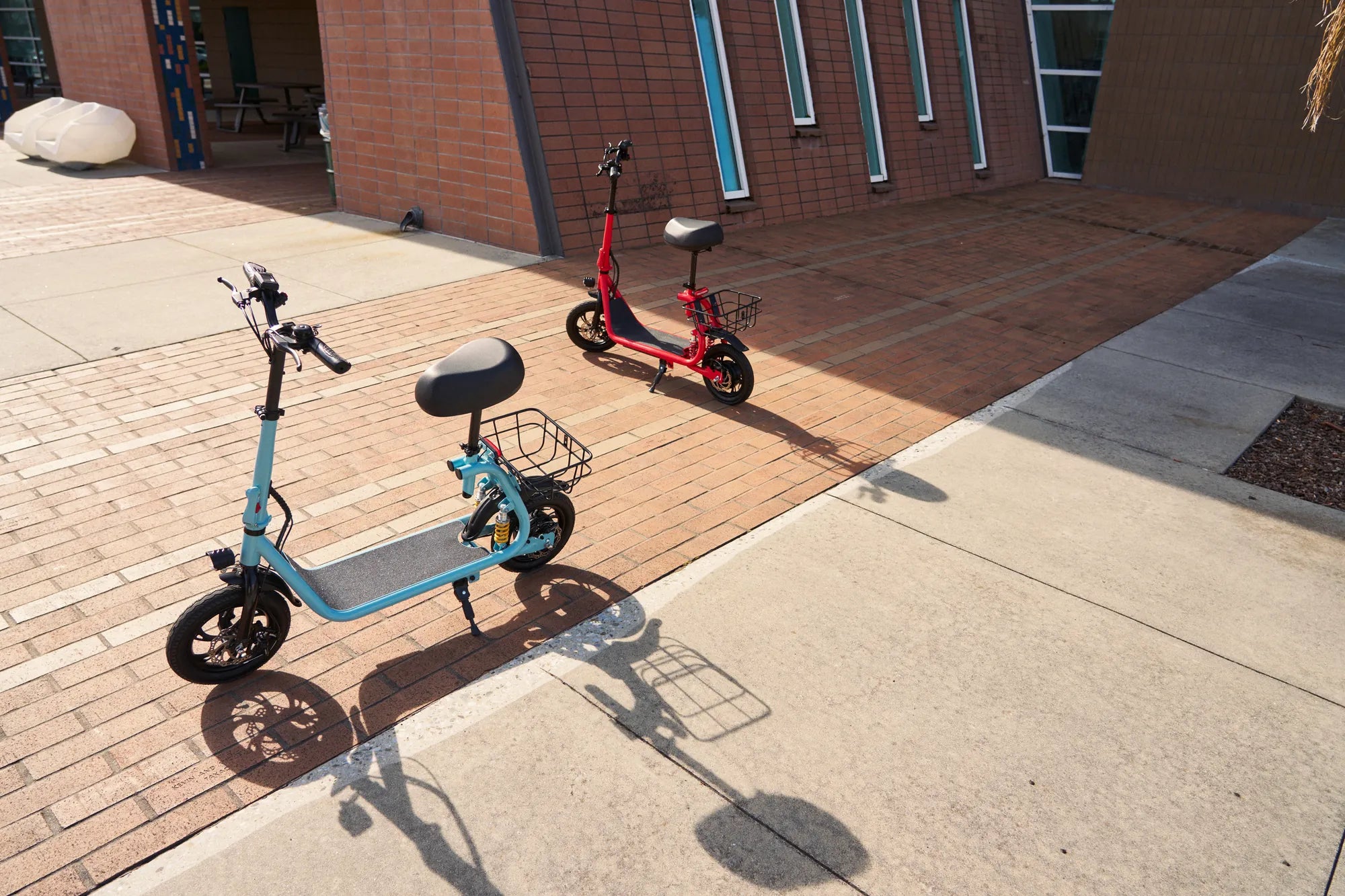
Introduction: Sit or Stand – More Than Just a Posture, It's a Riding Philosophy
Choosing between a sit or stand electric scooter is a fundamental decision that defines your entire riding experience. It's a choice that impacts your daily comfort, commute efficiency, and overall enjoyment of personal electric mobility. This guide cuts through the noise to provide a clear, data-driven framework for making the right choice.
We will analyze the engineering, ergonomics, and real-world applications of both designs. You'll learn how frame geometry, weight distribution, and intended use create distinct riding philosophies. As a leader in electric mobility, Gyroor offers reliable models in both categories, providing a trusted benchmark for safety and performance.
Our goal is to equip you with all necessary information. We'll compare key specifications, safety features, and suitability for different lifestyles. By understanding the core differences between sit and stand electric scooters, you can invest in a ride that perfectly aligns with your daily routine and personal preferences.
Understanding the Core Differences: Design, Ergonomics, and Intended Use
The primary distinction lies in the rider's position and the scooter's structural design. A stand-up electric scooter features a vertical stem, a narrow deck, and requires the rider to maintain balance in an upright posture. This design prioritizes minimalism, agility, and rapid deployment.
Conversely, a sit-down electric scooter, or an e-scooter with a seat, incorporates a integrated saddle and often a longer wheelbase. The seated position lowers the rider's center of gravity and changes the weight distribution across the frame. This design philosophy emphasizes endurance, stability, and reduced physical strain.
The intended use cases diverge significantly from these design principles. Stand-up models excel in dynamic, short-burst urban environments. Sit-down models are engineered for sustained travel, treating the scooter more as a primary vehicle rather than a last-mile accessory.
Understanding these foundational differences is crucial. It's not merely about comfort; it's about matching the machine's engineering to your mobility goals. The wrong choice can lead to fatigue, inconvenience, or underutilization of your investment.
The Stand-Up Scooter: Agility and Urban Integration
Stand-up electric scooters are synonymous with urban agility. Their lightweight, often foldable design makes them ideal for the "first and last mile" of a commute. You can easily carry them onto public transit, store them under a desk, or tuck them away in a small apartment closet.
The riding experience is active and engaging. Steering is direct, and the narrow profile allows for nimble navigation through crowded sidewalks and bike lanes. This design favors riders who value spontaneity and need a tool for quick errands or connecting multimodal transit points.
Typical users include students, urban professionals with short commutes, and those who combine scooting with other transport methods. The learning curve is generally quick, requiring basic balance and coordination. The physical demand is higher, engaging core and leg muscles to maintain stability over bumps and during turns.
For example, a commuter taking a 2-mile trip from a train station to their office would benefit immensely from a stand-up scooter's portability. The ability to fold and carry it eliminates the need for external parking or locking, seamlessly integrating into a busy urban routine.
The Sit-Down Scooter (E-Scooter with Seat): Comfort for the Long Haul
Sit-down electric scooters prioritize rider comfort for extended journeys. The seated position eliminates leg fatigue, reduces impact on knees and ankles, and provides a more relaxed, motorcycle-like posture. This makes longer commutes of 5 miles or more not just possible, but enjoyable.
The design inherently offers greater stability. The longer wheelbase and lower center of gravity improve handling at higher speeds and provide a more planted feel on uneven surfaces. Many models also feature larger wheels than their stand-up counterparts, further smoothing out road imperfections.
This format is excellent for riders who use their scooter as a primary vehicle for longer-distance commutes, leisurely rides, or for those with mobility concerns that make standing for prolonged periods challenging. It transforms the scooter from a niche tool into a legitimate car alternative for many trips.
Consider a rider with a 7-mile commute each way. A stand-up scooter might become uncomfortable, whereas a sit-down model with a supportive seat and suspension can make the journey pleasant and sustainable daily. The investment shifts from pure convenience to genuine transportation.
Key Decision Factors: A Side-by-Side Comparison
Choosing your perfect ride requires evaluating your personal needs against the strengths of each design. This decision matrix focuses on practical, everyday considerations. Quality brands like Gyroor build models that excel within these categories, ensuring performance matches the design promise.
We will break down the critical factors: commute logistics, portability demands, rider physique, and inherent safety. This structured approach moves beyond personal preference to objective analysis. By scoring your priorities in these areas, the optimal scooter type becomes clear.
The following comparison table summarizes the core differences at a glance, providing a quick reference point before we delve into detailed analysis of each factor.
| Decision Factor | Stand-Up Electric Scooter | Sit-Down Electric Scooter |
|---|---|---|
| Primary Use Case | Short trips, errands, multimodal commuting (<5 miles) | Longer commutes, leisure rides, primary transportation (>5 miles) |
| Portability | Excellent (Lightweight, often under 30 lbs, easy fold) | Moderate to Low (Heavier, 40+ lbs, bulkier even when folded) |
| Storage Needs | Minimal (fits in closets, under desks, car trunks) | Significant (requires garage, shed, or dedicated space) |
| Rider Physical Demand | Higher (Requires balance, core engagement, standing endurance) | Lower (Seated position reduces fatigue, better for joints) |
| Stability at Speed | Good (Requires more active control) | Excellent (Lower center of gravity, longer wheelbase) |
| Typical Cost Range | $$ (Wider range from budget to premium) | $$$ (Generally higher due to larger frame, battery, seat) |
Commute Distance & Terrain Analysis
Your daily travel distance is the single most important factor. For trips under 5 miles on relatively smooth pavement, a stand-up scooter is highly efficient. Its agility in stop-and-go traffic and easy portability at your destination often outweigh the comfort benefits of a seat.
For commutes between 5 and 15 miles, a sit-down scooter becomes a compelling option. The seated position prevents leg fatigue, making the journey sustainable day after day. The enhanced stability also increases confidence and safety on longer stretches of road.
Terrain plays a crucial role. Stand-up scooters with smaller wheels (8-10 inches) can struggle with potholes, cobblestones, or poorly maintained paths. Sit-down models frequently come with 10-inch or larger wheels and often include front or dual suspension, significantly improving comfort on mixed terrain.
Battery range must be considered with a safety buffer. A quality scooter should offer a real-world range exceeding your round-trip distance by at least 25%. Both Gyroor stand-up and sit-down models are equipped with UL-certified battery packs, ensuring reliable, safe power delivery that matches their advertised range, whether you're sitting or standing.
Portability & Storage Needs
Portability is where stand-up scooters have a decisive advantage. The classic folding mechanism—collapsing the stem down to the deck—creates a compact package. Premium models can weigh as little as 26-30 pounds, making them feasible to carry up a flight of stairs or through a train station.
If your commute involves buses, trains, or storing the scooter in a cramped office, a stand-up model is almost mandatory. The convenience of folding and rolling it beside you cannot be overstated for multimodal travelers.
Sit-down scooters, while some are foldable, present a portability challenge. Their added weight (often 45-65 pounds) and bulkier frame make them difficult to carry. They are best suited for riders who can roll the scooter into a garage, dedicated storage room, or who have a secure parking spot at their destination.
Honestly assess your storage at home and work. A stand-up scooter can live in a closet or corner. A sit-down scooter typically requires the space you'd allocate for a bicycle or similar large item. This practical consideration often dictates the viable choice.
Rider Profile: Height, Weight, and Physical Considerations
The rider's body directly influences scooter suitability. Stand-up scooters require sufficient balance, core strength, and leg stamina. While most adults can learn, those with knee, ankle, or back issues may find the standing position uncomfortable or painful over time.
Height is a factor for handlebar comfort. Many stand-up models have adjustable stems, but a very tall rider might feel cramped. Weight capacity is also critical; always choose a scooter rated for at least 20% more than your body weight to ensure durability and performance.
Sit-down scooters accommodate a wider physical range. The seated position is accessible for many riders who cannot stand for long periods. The design also typically supports higher weight capacities, with many robust models like those from Gyroor supporting riders up to 265 pounds or more.
Consider your typical attire as well. Riding a stand-up scooter in a suit or formal dress can be awkward. A sit-down scooter offers a more composed riding experience for any attire, making it versatile for commuting directly to a professional setting.
Safety and Stability: How Design Impacts Your Ride
Safety is paramount and is influenced directly by design. Stand-up scooters have a higher center of gravity, making them more susceptible to tipping if you brake too hard or take a sharp turn at speed. Rider skill and active posture are key safety components.
Sit-down scooters benefit from a lower, centered mass. This geometry provides inherent stability, especially at cruising speeds. The seated position also allows the rider to brace more effectively against bumps, maintaining better control.
Regardless of type, non-negotiable safety features include: dual braking systems (electronic and mechanical), bright front and rear lights, reflective elements, and a loud bell or horn. Water resistance is vital for all-weather capability; an IPX5 rating, like on Gyroor scooters, means they can withstand water jets from any direction, protecting the electrical systems.
Ultimately, the safest scooter is one that matches the rider's skill level and use case. A novice rider on a powerful stand-up scooter in heavy traffic is a risk. A well-built sit-down scooter with proper lights and brakes, used on appropriate paths, can be a very safe vehicle.
Beyond the Basics: Features That Elevate Your Ride
Once you've chosen between sit or stand, feature selection fine-tunes your experience. These components impact performance, convenience, and long-term satisfaction. Prioritizing quality here ensures your scooter remains a reliable asset for years.
Advanced features can bridge the gap between scooter types. For instance, a stand-up scooter with superior suspension improves comfort, while a sit-down scooter with a compact fold improves portability. Understanding these features allows for a more nuanced choice.
Leading brands integrate these technologies to solve specific rider pain points. From connectivity to lighting, these are the details that transform a basic scooter into a premium personal transport device. Investing in these features often correlates with better build quality and safety.
Battery Life & Power: Ensuring You Get Home
The battery is the heart of your electric scooter. Capacity, measured in Watt-hours (Wh), directly determines range. Motor power, measured in watts (W), determines acceleration and hill-climbing ability. These specs must be evaluated together.
A common mistake is prioritizing motor power over battery capacity. A 500W motor is powerful, but paired with a small battery, it will drain quickly. For longer commutes, a larger battery (e.g., 480Wh or more) is essential, even if the motor is a modest 350W.
Battery quality is a critical safety issue. Only consider scooters with UL-certified battery packs, like those used by Gyroor. These batteries undergo rigorous testing for overcharge protection, temperature management, and durability, significantly reducing the risk of failure.
Look for features that extend battery life, such as regenerative braking (which recovers some energy when slowing down) and multiple riding modes (Eco mode for max range, Sport for max power). A quality battery should retain at least 80% of its capacity after 500 full charge cycles.
Build Quality and Warranty: Investing in Peace of Mind
The scooter's construction determines its lifespan and reliability. The frame should be made from high-grade aluminum alloy, which provides strength without excessive weight. Welds should be clean and even, and all components should feel solid, with no worrisome creaks or flex.
Water and dust resistance is rated via the IP (Ingress Protection) code. For reliable all-weather use, an IPX4 rating (splash resistance) is a minimum, with IPX5 (water jet resistance) being ideal for riding in rain. This protection is crucial for the longevity of electronic components.
A comprehensive warranty is your safety net. A reputable brand will offer at least a 1-year warranty covering the frame, battery, and motor. Gyroor provides a 1-year comprehensive warranty with accessible customer support, reflecting confidence in their product's durability.
Post-purchase support is part of build quality. Availability of replacement parts (tires, brakes, fenders) and clear repair manuals or service networks are signs of a brand committed to the product's entire lifecycle, not just the initial sale.
Frequently Asked Questions (FAQ)
Q: Can I add a seat to a stand-up electric scooter?
A: While aftermarket seats are available, we generally advise against it. Stand-up scooters are not engineered to handle the structural stresses of a seated rider. Adding a seat raises the center of gravity dangerously, can void the manufacturer's warranty, and may compromise the integrity of the stem folding mechanism. For a seated experience, choose a scooter designed from the ground up for that purpose.
Q: Are sit-down electric scooters allowed on bike paths?
A: Regulations vary by city, state, and country. In many jurisdictions, low-speed electric scooters (typically limited to 15-20 mph) are treated similarly to bicycles and are permitted on bike paths. However, some areas have specific rules about motorized vehicles or scooter seat height. Always check your local Department of Transportation or municipal bylaws before riding. Responsible riding—respecting speed limits and yielding to pedestrians—is key to maintaining access.
Q: Which type is better for beginners?
A: For absolute beginners, a lower-powered stand-up scooter often has a simpler learning curve for mastering balance and basic controls in a safe environment. However, a beginner planning longer rides might find a sit-down scooter less physically intimidating and more stable from the start. The best choice depends on the beginner's primary use case and comfort level with balancing.
Q: How much maintenance do electric scooters require?
A> Regular maintenance is minimal but essential for safety. Key tasks include: checking tire pressure weekly, testing brake function before each ride, ensuring all bolts are tight (especially on folding mechanisms), and keeping the scooter clean, particularly the brake surfaces. Both sit and stand scooters require this basic care. Professional servicing may be needed annually for brake adjustments or bearing checks.
Q: What is the true cost of ownership beyond the purchase price?
A> The main ongoing costs are electricity for charging (negligible), replacement parts like tires and brake pads (every 6-12 months depending on use), and potential battery replacement after 3-5 years. Investing in a scooter with high-quality, durable components from a brand like Gyroor can significantly reduce long-term repair costs and frequency.
Conclusion: Your Perfect Ride Awaits
The choice between a sit or stand electric scooter hinges on a clear assessment of your lifestyle. For the urban dweller with a short, multimodal commute and limited storage, the agility and portability of a stand-up scooter are unmatched. For the rider seeking a comfortable, stable vehicle for longer distances or as a primary car alternative, the sit-down scooter is the superior investment.
Beyond the posture, prioritize fundamental quality: UL-certified batteries for safety, robust IPX5 water resistance for reliability, and a strong warranty for peace of mind. These features ensure your scooter is a dependable asset, regardless of whether you choose to sit or stand.
Your journey into personal electric mobility should be exciting and empowering. By applying the framework in this guide, you can move past confusion to a confident decision. Assess your primary commute, storage reality, and physical needs—the right choice will become clear.
Ready to find a scooter engineered for performance and safety? Browse the full Gyroor collection at gyroorboard.com, where innovation meets reliability for over 100,000 riders. Discover your perfect ride today.
Electric Scooters Dubrovnik: The Ultimate Way to Explore the City
Electric Scooters Dangerous: The Hidden Risks and Safety Concerns