

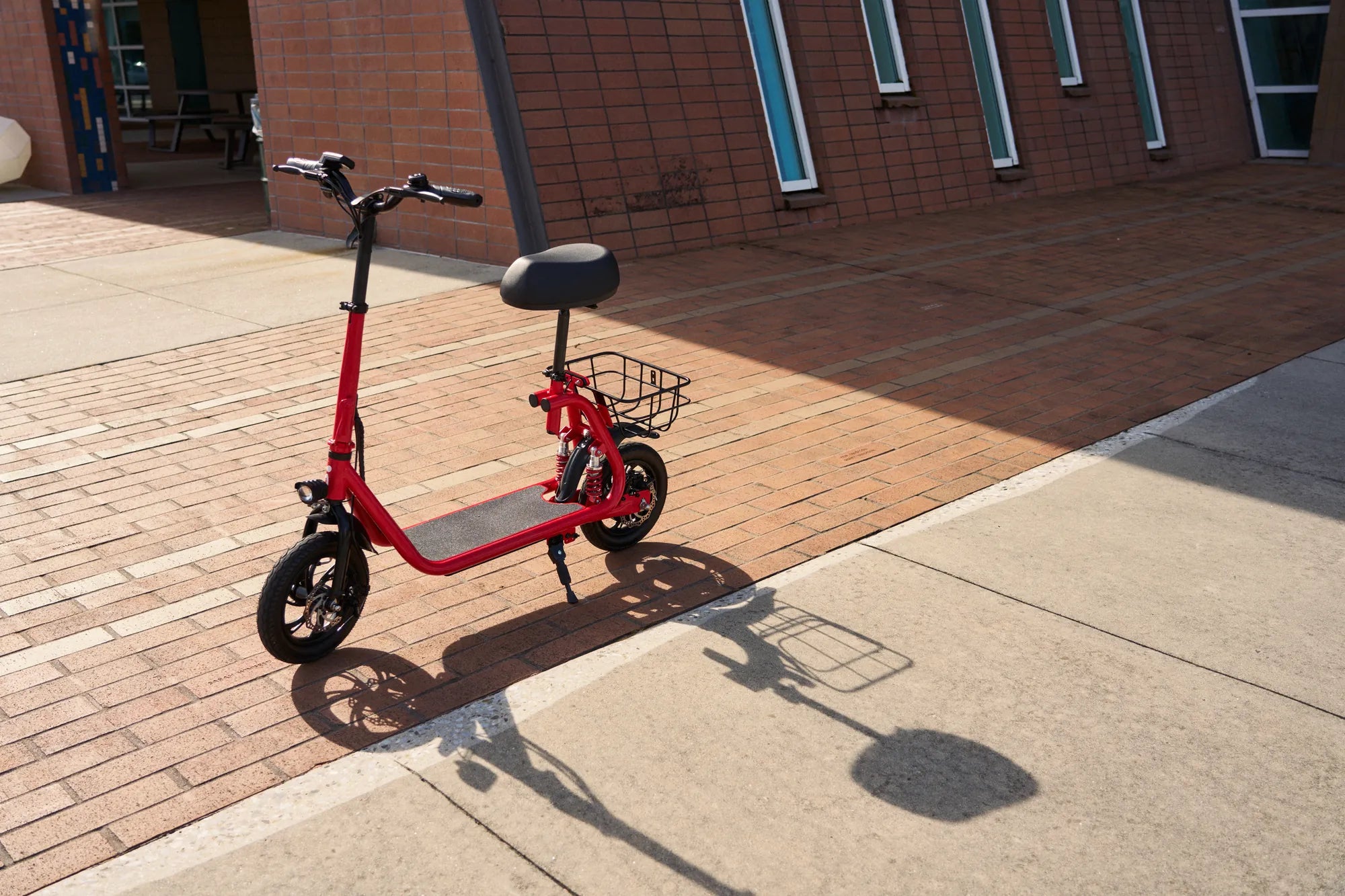
When it comes to urban commuting, the debate between skateboard and scooter enthusiasts is fierce. Both options offer unique advantages, but which one is right for you? Let’s dive into the details to help you make an informed decision.
Speed and Efficiency
For those who prioritize speed, scooters often take the lead. With larger wheels and a standing platform, they handle rough terrain better and maintain higher speeds with less effort. Skateboards, on the other hand, require more skill to push efficiently but can be faster in the hands of an experienced rider.
Portability and Storage
Skateboards are the clear winner when it comes to portability. Their compact size makes them easy to carry into buildings or onto public transport. Scooters, while foldable, are bulkier and may not be as convenient in tight spaces.
Learning Curve
If you’re new to urban commuting, scooters are generally easier to master. They offer stability and simple controls, making them accessible to beginners. Skateboards require balance and coordination, which can take time to develop.
Cost and Maintenance
Both options are relatively affordable, but skateboards tend to have lower maintenance costs. Scooters may need occasional repairs, especially if they have folding mechanisms or pneumatic tires.
Fun Factor
Skateboarding offers a thrill that’s hard to match, with tricks and maneuvers adding an element of excitement. Scooters are more straightforward but still provide a fun and efficient way to get around.
Whether you choose a skateboard or a scooter for commuting, both offer unique benefits that can enhance your daily travel. The best choice depends on your priorities—speed, portability, ease of use, or sheer enjoyment. Ready to hit the streets?
Electric City Bike: The Ultimate Guide to Urban Commuting
Off Road Kick Scooter for Adults: The Ultimate Guide to Adventure and Convenience