



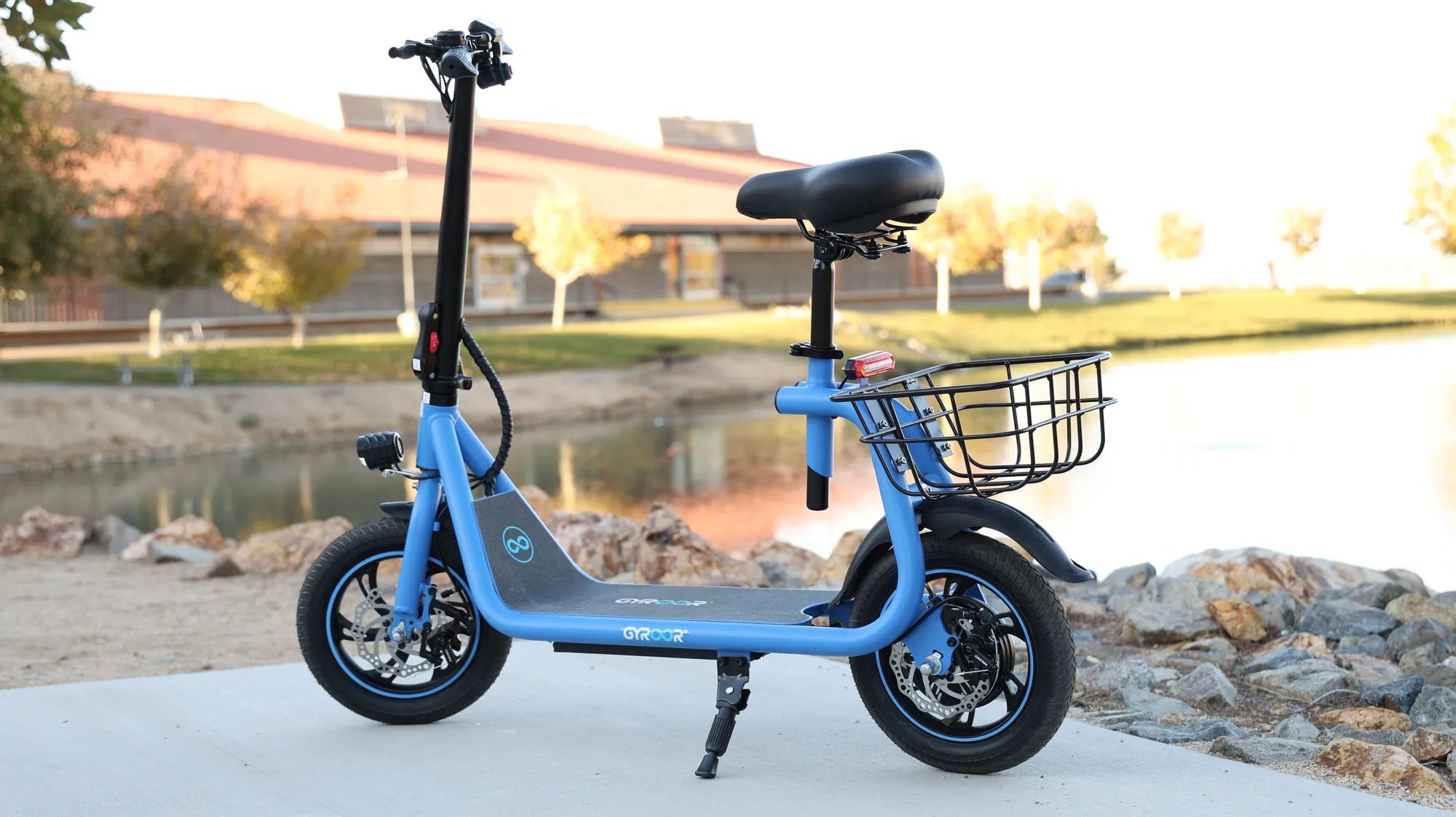
When shopping for a mobility scooter, knowing the standard dimensions can make all the difference between a smooth ride and a frustrating experience. Whether you're navigating tight doorways, storing your scooter at home, or ensuring it fits in your vehicle, these measurements matter. Let’s dive into the key dimensions you need to consider before making a purchase.
Why Standard Mobility Scooter Dimensions Matter
Mobility scooters come in various sizes, but most fall within a range of standard dimensions designed for accessibility and ease of use. These measurements ensure the scooter can fit through doorways, maneuver in tight spaces, and comply with ADA guidelines where applicable. Ignoring these dimensions could lead to difficulties in daily use or even safety hazards.
Key Dimensions to Consider
Width
The width of a standard mobility scooter typically ranges from 21 to 28 inches. This measurement is critical for determining whether the scooter can pass through doorways, which are usually 32 inches wide in residential settings. A narrower scooter (21-24 inches) is ideal for indoor use, while wider models (25-28 inches) offer more stability for outdoor terrain.
Length
Most scooters measure between 40 to 48 inches in length. Longer scooters provide a more comfortable ride but may be harder to turn in tight spaces. If you plan to use your scooter indoors or in crowded areas, opt for a shorter model.
Height
The seat height of a standard mobility scooter usually ranges from 18 to 22 inches. This ensures ease of access for users with limited mobility. The overall height, including the handlebars or tiller, typically stays under 40 inches to avoid obstructions like low-hanging branches or ceilings.
Weight Capacity
While not a physical dimension, weight capacity is closely tied to the scooter's size. Standard models support between 250 to 350 pounds, with heavy-duty versions accommodating up to 500 pounds. Always check the manufacturer's specifications to ensure the scooter can safely support your weight.
Turning Radius
The turning radius, usually between 30 to 50 inches, determines how easily the scooter can navigate corners. A smaller turning radius is essential for indoor use or crowded spaces, while outdoor models may prioritize stability over tight turns.
Storage and Transport Considerations
If you plan to transport your scooter frequently, its folded or disassembled dimensions are just as important. Many standard scooters can be broken down into smaller parts, with the largest piece measuring around 30 x 20 x 15 inches. This makes them easier to fit into car trunks or storage spaces.
ADA Compliance and Public Accessibility
In public spaces, mobility scooters must adhere to ADA guidelines, which recommend a width of no more than 30 inches for easy access to ramps, elevators, and restrooms. Always verify that your scooter meets these standards if you frequently visit public venues.
Choosing the Right Size for Your Needs
Your lifestyle and environment play a significant role in determining the ideal scooter dimensions. For indoor use, prioritize compact models with a smaller turning radius. Outdoor enthusiasts should look for wider, longer scooters with higher ground clearance for uneven terrain.
Don’t let the wrong dimensions turn your mobility scooter into a hassle instead of a help. By understanding these standard measurements, you can confidently choose a scooter that fits your needs and enhances your independence. Ready to find the perfect match? Start measuring your spaces and comparing specs today!
Downhill Mountain Biking Tips: Master the Trails Like a Pro
Fastest Street Legal Electric Dirt Bike: Speed Meets Sustainability