



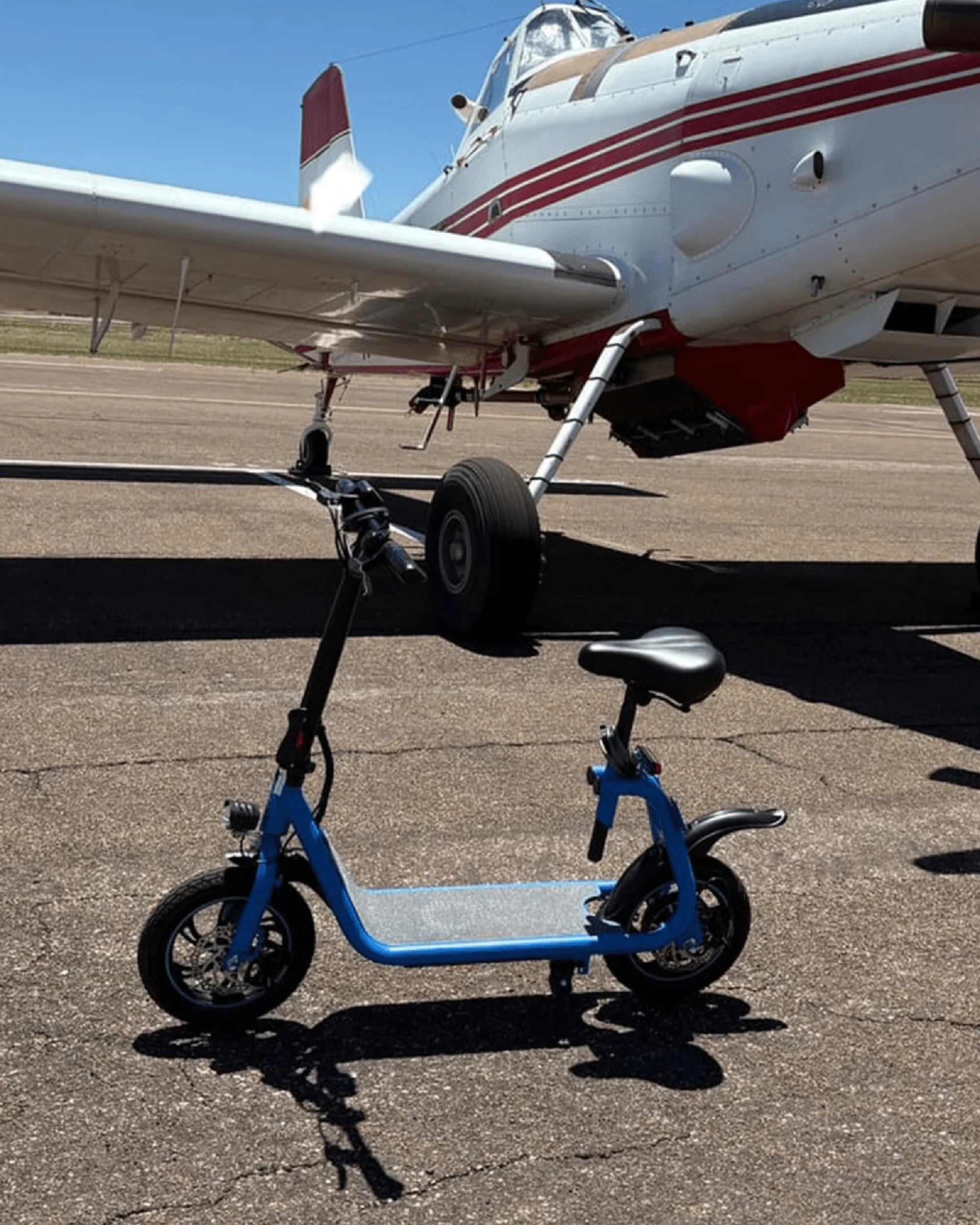
Navigating city streets demands a vehicle that's both agile and lawful. Street legal electric scooters represent the future of urban mobility, merging regulatory compliance with practical, sustainable transportation. This definitive guide will explain what makes an e-scooter street legal, how to navigate your local laws, and why choosing a certified model is crucial for safety and performance. You'll learn to identify key features, understand the importance of battery and build standards, and select a scooter that fits both legal requirements and your daily commute.
Introduction to Street Legal E-Scooters
A street-legal electric scooter is a motorized personal transporter designed and certified to operate on public roads, bike lanes, or pathways in accordance with specific local regulations. These are distinct from toy-like or unregulated models, as they adhere to defined limits on speed, power, and safety equipment. The rise of micromobility frameworks in cities worldwide has legitimized these scooters as a viable commuting option.
This shift reflects a broader move towards sustainable urban transport solutions. Brands like Gyroor are at the forefront, engineering products that meet stringent safety and performance standards. Their focus on compliance ensures riders can integrate e-scooters into their daily lives with confidence, avoiding legal pitfalls and safety risks associated with non-compliant models.
The core appeal lies in their efficiency. Street legal electric scooters solve the "last-mile" problem, connecting public transit hubs to final destinations. They reduce traffic congestion and lower individual carbon footprints. However, their true potential is unlocked only when riders choose models built for legality, durability, and safety from the ground up.
Understanding this distinction is the first step. A compliant scooter isn't just about limited speed; it's a product of deliberate engineering. It incorporates certified batteries, reliable braking systems, and essential lighting. These features transform a novel gadget into a legitimate and reliable mode of urban transport.
The Legal Landscape: Understanding Your Local Regulations
The term "street legal" is not universal; it varies significantly by city, state, and country. Regulations are evolving rapidly as municipalities respond to the growth of shared and private e-scooter fleets. Riders must proactively research their local laws to ensure full compliance and avoid fines or confiscation.
Most regulations are built on a few common pillars: speed limits, motor power, rider age, helmet requirements, and permitted riding areas. Ignorance of these rules is rarely considered a valid excuse by authorities. Therefore, treating legal research as a mandatory pre-purchase step is essential for any responsible rider.
A practical approach involves checking three key sources. First, review your city's municipal code or transportation department website. Second, consult your state's vehicle code for broader classifications of "electric low-speed scooters." Finally, check with local law enforcement for any recent ordinances or enforcement priorities.
This landscape is dynamic. Cities like Paris, London, and New York have implemented specific rules that can differ from their national guidelines. In the U.S., state laws often set a baseline, which cities can then make more restrictive. For instance, a state may allow 20 mph, but a city within it might cap speeds at 15 mph on certain paths.
Key Regulations to Check
Maximum speed limits are the most common regulatory feature. Typically, street-legal electric scooters are capped between 15 and 20 mph (24-32 km/h) on public property. Some jurisdictions require scooters to have a speedometer or a mode that limits speed to these levels when used on roads.
Motor power wattage is another critical limit. Many areas restrict motors to 500W or 750W for street-legal operation. This is distinct from peak power ratings and refers to the continuous rated power. Exceeding this wattage can classify the scooter as a motor vehicle, requiring registration, insurance, and a license.
Minimum rider age and helmet laws are standard. Most regions require riders to be at least 16 years old. Helmet laws vary; some mandate them for all riders, others only for minors. Even if not required, wearing a helmet is a non-negotiable safety best practice for operating any street legal electric scooter.
Permitted riding areas define where you can operate. Generally, riding on sidewalks is prohibited for adult riders. Street legal electric scooters are typically directed to bike lanes, shared-use paths, or roads with speed limits at or below 25-35 mph. Understanding these designations prevents conflicts with pedestrians and vehicles.
The Importance of UL Certification and IP Ratings
Legal compliance is intrinsically linked to safety, and nothing illustrates this better than battery and water resistance standards. UL 2272 certification for the battery pack and drive system is becoming a de facto legal requirement in many North American cities. It signifies rigorous testing for electrical, mechanical, and fire safety.
A UL-certified battery, like those used in all Gyroor models, has undergone over 100 safety tests. These include overcharge, short circuit, and crush tests. This certification drastically reduces the risk of battery fires—a primary concern for regulators and consumers. Choosing a scooter without this certification is a significant safety and potential legal risk.
Ingress Protection (IP) ratings indicate a device's resistance to dust and water. An IPX5 rating, a standard feature in Gyroor's commuter-focused scooters, means the unit can withstand water jets from any direction. This is critical for real-world commuting where puddles, rain, and wet roads are inevitable.
These ratings are not mere marketing specs. They are engineering assurances. A scooter with a low or unspecified IP rating may malfunction in damp conditions, posing a safety hazard and leaving the rider stranded. For a street legal electric scooter designed for daily use, robust weather resistance is a fundamental component of reliability and, by extension, safe, lawful operation.
Why Choose a Street Legal Scooter? Benefits Beyond Compliance
Opting for a street-legal model is about more than avoiding tickets. It's a choice for enhanced safety, superior reliability, and a genuinely practical commuting tool. Compliance is the foundation that enables these broader benefits, transforming the e-scooter from a recreational device into a legitimate transportation solution.
Street legal electric scooters are engineered with a different philosophy. They prioritize controlled performance, durability under daily stress, and user safety over raw, ungoverned power. This results in a product that integrates seamlessly into the urban transport ecosystem, coexisting safely with bicycles, cars, and pedestrians.
The investment in a compliant scooter pays dividends in peace of mind. Riders can focus on their journey rather than worrying about legal exposure or mechanical failure. This confidence is essential for making the e-scooter a primary mode of transport, not just an occasional novelty.
Furthermore, as cities crack down on unregulated devices, owning a non-compliant scooter risks it becoming obsolete or unusable in public spaces. Choosing a street legal electric scooter future-proofs your investment against regulatory tightening, protecting its utility and resale value.
Enhanced Safety for the Rider and Public
Safety is the paramount benefit. Regulated speed limits prevent riders from traveling at dangerously high speeds for which the scooter's small-wheel design and braking systems are unsuited. This protects both the rider and vulnerable road users like pedestrians.
Street legal models mandate critical safety equipment. This includes a bright front headlight, a rear brake light, side reflectors, and an audible bell or horn. Gyroor scooters, for example, feature integrated braking systems where the taillight illuminates brightly during braking, significantly improving visibility to following traffic.
The braking systems themselves are more robust. Dual braking—combining electronic (regenerative) and mechanical (disc or drum) brakes—is common. This provides redundancy; if one system fails, the other can still bring the scooter to a controlled stop. Such features are often absent or under-engineered in non-compliant toys.
Finally, the build quality mandated by compliance standards leads to better stability. This includes wider decks for secure footing, improved suspension for handling bumps, and higher-quality tires that provide better traction. All these elements work together to create a safer riding experience for everyone sharing the road.
Reliability and Performance You Can Trust
Scooters built to legal standards are engineered for daily durability, not just occasional use. The components are selected to withstand the wear and tear of commuting. This includes higher-grade motors, better battery management systems, and more resilient frames.
This reliability is backed by warranties that reflect manufacturer confidence. Gyroor offers a comprehensive 1-year warranty on its street legal electric scooters, covering the battery, motor, and frame. This level of support is indicative of a product designed for long-term use, not a disposable gadget.
Performance is consistent and predictable. Speed and power are optimized for efficiency and range within legal limits, rather than peak output that drains the battery in minutes. This results in a scooter that delivers on its advertised range—a critical factor for commuters who need to reliably cover a set distance.
Access to customer support is also a key differentiator. Brands that sell compliant scooters, like Gyroor with its US-based support team, are invested in the product's lifecycle. They provide troubleshooting, genuine replacement parts, and service guidance, ensuring the scooter remains operational and safe for years.
The Eco-Conscious Commute: Reducing Your Carbon Footprint
The environmental argument for street legal electric scooters is compelling. They are zero-emission at the point of use. Swapping a car for an e-scooter for short trips can have a substantial impact. The U.S. Department of Energy notes that over 60% of all car trips are less than 6 miles—a distance easily covered by most e-scooters.
Beyond direct emissions, e-scooters reduce traffic congestion and the associated "stop-and-go" pollution. They require far fewer resources to manufacture than a car and use minimal electricity to charge. Charging a typical scooter battery costs mere cents and can be done from a standard wall outlet.
Their small physical footprint also contributes to more efficient land use. E-scooters reduce the demand for parking spaces, freeing up urban real estate for parks, bike lanes, or commercial use. This supports broader urban sustainability goals and improves the quality of city life.
By choosing a durable, street-legal model, riders also combat the waste associated with "fast fashion" electronics. A well-built scooter with a UL-certified battery that lasts for 500+ charge cycles represents a sustainable product choice, minimizing electronic waste and the need for frequent replacements.
Gyroor's Commitment to Compliant and Safe Mobility
As a leading brand trusted by over 100,000 riders, Gyroor designs its electric scooters with a foundational commitment to compliance and safety. This proactive approach simplifies the buyer's journey, offering products that are engineered to meet or exceed common regulatory standards across North America and Europe.
Gyroor's philosophy centers on delivering reliable performance within the frameworks that ensure safe integration into urban traffic. This means prioritizing features like governed top speeds, comprehensive lighting packages, and robust construction over simply chasing higher power numbers. The result is a lineup of street legal electric scooters that riders can trust for daily commuting.
The brand's focus extends beyond the point of sale. With a 1-year comprehensive warranty and accessible customer support, Gyroor stands behind the long-term safety and functionality of its products. This commitment builds trust and ensures that the scooter remains a safe, compliant vehicle throughout its lifespan.
By adhering to strict internal standards that often surpass minimum legal requirements, Gyroor provides a clear path for consumers seeking a worry-free, legitimate micromobility solution. This dedication positions their scooters as a responsible choice in a crowded and sometimes unregulated market.
Engineering for Safety: UL-Certified Batteries & IPX5 Design
Gyroor's safety commitment is materialized in two critical specifications: UL 2272 certification and IPX5 water resistance. Every Gyroor scooter uses a UL-certified battery pack, subjected to extreme stress tests to prevent thermal runaway—the cause of battery fires. This certification is a non-negotiable benchmark for safe operation.
The IPX5 rating is equally crucial for a commuter vehicle. It certifies that the scooter's electrical components are protected against low-pressure water jets from any direction. Whether caught in a sudden downpour or navigating wet streets after rain, an IPX5-rated Gyroor scooter is built to continue operating safely and reliably.
These features are integrated into the design from the outset. Battery compartments are sealed, wiring is protected, and controllers are housed to withstand environmental challenges. This holistic engineering approach ensures that safety certifications reflect real-world durability, not just laboratory conditions.
For the rider, this translates to profound peace of mind. The combination of a fire-safe battery and a water-resistant build means the scooter is prepared for the unpredictability of daily commuting. It allows riders to use their street legal electric scooter as a true car replacement, regardless of weather, without compromising on safety.
Built to Last: The 1-Year Comprehensive Warranty
A strong warranty is a direct reflection of a manufacturer's confidence in its product's quality and durability. Gyroor's 1-year comprehensive warranty covers the core components of the scooter: the frame, motor, battery, and electronic controller. This coverage underscores the brand's view of its scooters as serious transportation tools.
This warranty supports the product's compliance over time. A scooter that breaks down due to a faulty component is not just an inconvenience; it can become a safety hazard if, for example, a brake or lighting system fails. The warranty ensures that such defects are addressed promptly, keeping the scooter in safe, legal operating condition.
The warranty also protects the rider's investment. By guaranteeing repair or replacement for a full year, Gyroor reduces the total cost of ownership and mitigates the risk associated with a significant purchase. It aligns the brand's interests with the rider's: both parties want a reliable, long-lasting vehicle.
Backed by a US-based support team, this warranty service is accessible and straightforward. It provides a clear recourse that is often absent with generic or non-compliant brands. For riders investing in a street legal electric scooter, this after-sales support is a critical component of a safe and satisfying ownership experience.
Choosing Your Street Legal Scooter: A Practical Buyer's Guide
Selecting the right street-legal model requires a methodical approach that prioritizes compliance and safety over flashy specs. This step-by-step guide will help you filter options and identify a scooter that meets legal standards while perfectly matching your commuting needs.
Start by defining your non-negotiables based on local law. Then, layer on practical requirements like range and comfort. Finally, evaluate the brand's reputation for support and durability. This process ensures you invest in a tool, not just a toy, and enjoy the full benefits of street legal electric scooters.
Remember that the highest speed or longest advertised range is not always the best choice. A scooter that matches your city's 20 mph limit with a real-world 15-mile range is far more useful and legal than a 40 mph scooter you can only ride on private property. Context is everything.
Use the following steps as a checklist. Document your local regulations, measure your daily commute distance, and test-ride models if possible. A thorough evaluation upfront leads to years of reliable, enjoyable, and lawful urban mobility.
Step 1: Verify Local Speed & Power Limits
Before looking at any scooter, research and document your area's specific limits. Note the maximum allowed speed on public paths and roads, as well as any wattage restrictions for the motor. This information becomes your primary filter when shopping.
When reviewing product specifications, distinguish between "max speed" and "legal mode speed." Many quality street legal electric scooters, including Gyroor models, feature a switch or app setting that caps the speed to a compliant level (e.g., 15.5 mph) for public use, while allowing higher speeds on private property.
Pay close attention to the motor's continuous rated power, not just its peak output. A 500W continuous motor is a common legal limit. If a scooter advertises a "1000W peak" motor, verify its continuous rating to ensure it falls within legal parameters for street use in your jurisdiction.
This step is non-negotiable. Purchasing a scooter that exceeds local power or speed caps may classify it as a moped or motorcycle, subjecting you to licensing, insurance, and registration requirements you likely wish to avoid.
Step 2: Prioritize Certified Safety Features
With your legal parameters set, evaluate safety features. Create a mandatory checklist. First and foremost: a UL 2272 certification for the battery system. Do not compromise on this. It is the single most important indicator of a safe, well-engineered scooter.
Next, assess the braking system. Look for dual braking—a combination of electronic and mechanical brakes. Disc brakes generally offer more consistent stopping power than drum brakes, especially in wet conditions. Test the brake feel; it should be responsive, not mushy.
Lighting is critical for legality and safety. The scooter must have a bright front headlight (200 lumens or more), a rear brake light, and reflectors on the sides and rear. Integrated turn signals, while not always required, are a valuable addition for communicating intentions in traffic.
Finally, consider other safety-related features. A wide, anti-slip deck provides stable footing. A loud, electronic horn is more effective than a simple bell. Good suspension (spring or hydraulic) improves control on uneven surfaces. These elements collectively define a safe, street legal electric scooter.
Step 3: Assess Range and Terrain for Your Commute
Advertised range is typically measured under ideal conditions. For real-world planning, reduce the manufacturer's claim by 25-30%. If your daily round-trip commute is 10 miles, look for a scooter with an advertised range of at least 14-16 miles to account for hills, wind, rider weight, and colder temperatures.
Tire choice is crucial for terrain and comfort. Pneumatic (air-filled) tires, like those on Gyroor's Warrior and Sport models, provide superior shock absorption and traction on uneven pavement, but require occasional maintenance. Solid honeycomb tires are puncture-proof but offer a harder ride and less grip on wet surfaces.
Suspension directly impacts comfort and control. If your commute includes brick roads, cracked pavement, or cobblestones, a scooter with front and/or rear suspension is essential. It keeps the wheels in contact with the ground for better braking and handling, while reducing fatigue for the rider.
Consider the scooter's weight and portability if your commute is multi-modal (e.g., scooter + train). Some street legal electric scooters feature folding mechanisms and weigh under 30 lbs, making them easier to carry. However, lighter weight often correlates with smaller batteries and shorter range, so find the right balance.
Step 4: Consider Brand Reputation and Support
An established brand with a track record is a safer bet. Look for companies with a history in personal electric transport, clear warranty terms, and accessible customer service. Gyroor's presence in the market, with over 100,000 riders and a 4.5/5 average rating, exemplifies the trust built through consistent product quality.
Investigate the warranty details. A 1-year comprehensive warranty that includes the battery is a strong indicator. Check what the process is for a claim: is there a local service network, or do you ship the scooter? Responsive, US-based support, as offered by Gyroor, can resolve issues much faster than overseas email tickets.
Read independent reviews and watch long-term durability tests. Pay attention to comments about build quality, component wear (like brakes and tires), and battery degradation over time. A street legal electric scooter is an investment; its durability is key to realizing long-term value and sustainability.
Finally, ensure the brand provides clear documentation, including a user manual that covers safety, maintenance, and compliance information. A reputable brand treats its customers as responsible riders and provides the resources needed to operate the scooter safely and legally for years to come.
Street Legal E-Scooter Comparison: Key Models & Features
The following table compares hypothetical scooter types based on common commuter profiles and highlights how key features align with legal and practical needs. It illustrates the trade-offs between portability, range, and comfort within the framework of street-legal compliance.
| Commuter Profile | Recommended Type | Key Legal/Safety Features | Typical Range* | Ideal For |
|---|---|---|---|---|
| Last-Mile / Multi-Modal | Ultra-Portable Folding Scooter | UL Cert, Speed Cap (15.5 mph), Dual Brakes, Integrated Lights | 10-15 miles | Short trips from transit, easy carrying, storage in tight spaces. |
| Urban Daily Commuter | Mid-Range Commuter Scooter | UL Cert, IPX5 Rating, 20 mph Cap, Front Suspension, Disc Brakes | 18-25 miles | Reliable daily round-trip commutes up to 10 miles, all-weather capability. |
| Suburban / Longer Distance | Performance Commuter Scooter | UL Cert, IPX5/6, Dual Suspension, Large Battery, Comprehensive Lighting | 25-40 miles | Longer suburban commutes, variable terrain, superior ride comfort. |
* Real-world range. Advertised range is often higher. Assume a 25% reduction for accurate planning.
Frequently Asked Questions (FAQ) on Street Legal E-Scooters
Q: Do I need a license, insurance, or registration for a street-legal electric scooter?
A: In most jurisdictions, a standard driver's license is not required for low-speed electric scooters (typically those capped under 20 mph). Insurance is rarely mandatory but is highly recommended for personal liability and theft protection. Registration with a state DMV is uncommon but is required in a few places (e.g., some counties in Hawaii). Always check your local laws, as they can differ significantly.
Q: Can I ride my street-legal scooter in the bike lane?
A: In the vast majority of cities that permit private e-scooter use, riding in bike lanes is explicitly allowed and often encouraged. This is because the speed and size of street legal electric scooters are compatible with bicycle traffic. However, some cities may restrict them to roads with low speed limits. Verifying your city's specific ordinance on this point is essential before riding.
Q: How does weather affect my scooter's legality and safety?
A: Legality is not directly affected by weather, but safety is profoundly impacted. Riding in rain or on wet roads is legal if the scooter is otherwise compliant. However, it is only safe if the scooter has a sufficient IP rating (IPX5 or higher, like Gyroor models). Non-water-resistant scooters can suffer electrical shorts, brake failure, or loss of traction, creating major hazards. Always match your riding to your scooter's rated capabilities.
Q: Are there age restrictions for riding a street-legal e-scooter?
A: Yes, age restrictions are nearly universal. Most regions set a minimum age of 16. Some require riders under 18 to wear a helmet, while others mandate helmets for all ages. A few areas may have different rules for public/shared scooters versus privately owned ones. Checking your local regulations for the specific age limit and helmet law is a critical step for any rider or parent.
Q: What happens if I'm caught riding a non-compliant scooter on public roads?
A> The consequences vary but can be severe. Common penalties include fines (often $100-$500), confiscation of the scooter, and a citation. In some cases, if the scooter is classified as an unregistered motor vehicle due to excessive power or speed, you could face charges similar to driving an uninsured, unlicensed motorcycle. The legal and financial risks far outweigh any perceived benefit of a non-compliant model.
Conclusion: Embracing a Smarter, Compliant Urban Commute
Street legal electric scooters are more than a trend; they are a mature, regulated, and practical component of the modern urban transport mix. By choosing a compliant model, you invest in a vehicle designed for safety, durability, and seamless integration into city life. The future of urban mobility is not just electric—it's intelligent, responsible, and built to a standard.
The journey begins with understanding and respecting local laws, then selecting a scooter engineered to meet them. Prioritizing UL-certified batteries, robust safety features, and a reputable brand like Gyroor ensures your commute is not only efficient but also secure and sustainable. This approach transforms the e-scooter from a novelty into a dependable daily tool.
As cities continue to evolve their infrastructure for micromobility, riders who adopt compliant technology today will be best positioned for the roads of tomorrow. You contribute to safer streets, less congested traffic, and a cleaner environment with every trip. Your choice of a street legal electric scooter is a vote for a smarter urban future.
Ready to experience the freedom and efficiency of a true street-legal electric scooter? Explore Gyroor's collection of UL-certified, IPX5-rated models engineered for safety, performance, and compliance. Find the perfect scooter for your commute and join over 100,000 riders who trust Gyroor for their daily journey. Browse the full Gyroor collection at gyroorboard.com.
Electric E Scooters: The Future of Urban Mobility and Sustainable Transportation
Cool Electric Scooters: The Future of Urban Mobility