


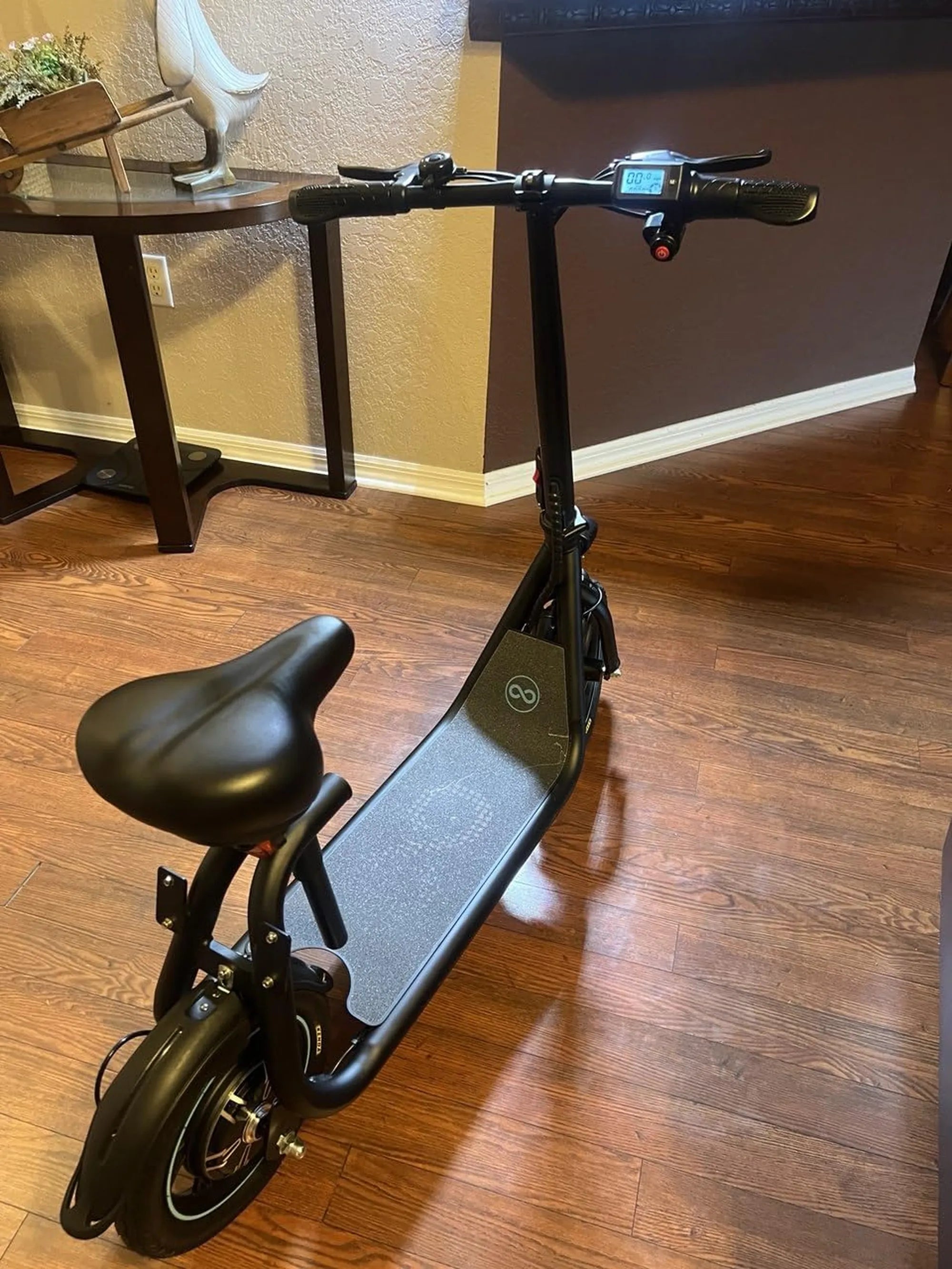
Introduction to Three-Wheeled Mobility Scooters
For individuals seeking enhanced mobility and independence, the three wheeled mobility scooter represents a pivotal piece of technology designed for agility and everyday use. Unlike bulkier four-wheel counterparts, these scooters feature a single front wheel and two rear wheels, creating a configuration that prioritizes a tight turning radius and ease of navigation in confined spaces. This design directly addresses the needs of users who frequent indoor environments like homes, shopping centers, and offices, while still providing sufficient stability for outdoor pavements.
The primary purpose of a three wheeled mobility scooter is to bridge the gap between portability and robust performance, offering a reliable solution for those with mobility challenges. It empowers users to maintain an active lifestyle, run errands independently, and participate in social activities without reliance on others. The market offers various models, but critical differentiators lie in build quality, battery safety, and real-world performance metrics.
As a leading brand in personal electric transport, Gyroor applies its engineering expertise from electric scooters and e-bikes to understand the nuanced demands of mobility aid users. Trusted by over 100,000 riders, the brand's philosophy centers on combining UL-certified safety, IP-rated durability, and user-centric design to create vehicles that are not just tools, but gateways to freedom. This guide will dissect every aspect of the three wheeled mobility scooter to help you find the perfect match for your lifestyle.
The Core Advantages of a Three-Wheel Design
The decision to choose a three wheeled mobility scooter over other configurations hinges on several key engineering and ergonomic benefits. The triangular wheelbase is not merely a stylistic choice; it's a calculated design that optimizes for specific use cases where agility is paramount. Users often find that the handling characteristics of a three-wheel model feel more intuitive and car-like, reducing fatigue during longer outings.
This design inherently reduces the vehicle's footprint, making it easier to store in compact spaces like car trunks, apartment hallways, or beside furniture. The weight distribution, typically with the drive motor over the rear wheels, ensures positive traction while allowing the front wheel to pivot freely. This setup is ideal for the smooth, hard surfaces commonly found in urban and suburban settings.
Unmatched Maneuverability in Tight Spaces
The most celebrated advantage of a three wheeled mobility scooter is its superior maneuverability. The single front wheel design allows for a turning radius that can be up to 30-50% tighter than a comparable four-wheel scooter. This is a critical feature for navigating through narrow doorways, crowded retail aisles, around restaurant tables, or in a cluttered home garage.
This capability transforms daily tasks. Instead of planning routes around wide spaces, users can take more direct paths. The agility also enhances safety in crowded environments, allowing for quick, controlled adjustments to avoid obstacles or other pedestrians. For those who split their time between indoor and outdoor environments, this maneuverability makes the three-wheel scooter a versatile all-rounder.
Optimal Balance of Stability and Comfort
While four-wheel models excel on extremely uneven terrain, modern three wheeled mobility scooters are engineered for optimal stability on standard pavements and indoor floors. The three-point stance provides a stable platform, and a lower center of gravity—often achieved through strategic battery placement—further combats tipping.
Comfort is significantly enhanced by the design's ability to accommodate a more sophisticated front suspension system. The single front wheel can be paired with a shock absorber or a spring-based suspension to dampen vibrations from cracks in the sidewalk or minor imperfections in the ground. This leads to a smoother ride, reducing jarring impacts on the spine and joints, which is crucial for users with pain or limited mobility.
Critical Features to Consider Before Buying
Selecting the right three wheeled mobility scooter requires careful evaluation of specifications that align with your daily routine, physical needs, and local environment. A model perfect for flat, suburban neighborhoods may struggle in a hilly, historic district. This checklist ensures you invest in a scooter that acts as a reliable partner for years to come.
Key specifications to scrutinize include motor power, battery capacity and safety certifications, weight capacity, portability features, and seat adjustability. Overlooking any of these can lead to buyer's remorse, limited utility, or even safety concerns. Data-driven comparison is your best tool, moving beyond marketing claims to examine the engineering standards behind the product.
Motor Power, Range, and Terrain Capability
Motor power, measured in watts (W), directly influences a scooter's speed, acceleration, and hill-climbing ability. A 300W motor is typically sufficient for flat terrain and indoor use with moderate speeds. For users who encounter slopes, bridges, or need quicker acceleration at intersections, a 350W to 500W motor is advisable. The higher wattage provides the necessary torque to maintain speed on an incline without straining the battery.
Range, dictated by battery capacity (measured in Amp-hours, Ah), is equally important. Manufacturers advertise a "maximum range," but real-world range is affected by user weight, terrain, temperature, and use of accessories like lights. A 10Ah battery may promise 15 miles, but a practical expectation is 10-12 miles. For active users, opting for a model with a 12Ah or larger battery ensures fewer charges and no range anxiety during day-long outings.
Battery Safety and Longevity: The Non-Negotiable Standard
This is the most critical safety consideration. The lithium-ion battery pack is the heart of the scooter, and its construction determines both performance and safety risk. Insist on batteries that are UL (Underwriters Laboratories) certified. This independent certification means the battery pack has passed rigorous tests for electrical, mechanical, and environmental safety, drastically reducing fire risk.
Gyroor builds all its products, including its mobility solutions, around this principle. Using UL-certified battery packs tested for 500+ charge cycles, they ensure long-term reliability and peace of mind. A 1-year warranty on the battery and drive system further underscores this commitment to quality. Avoid any scooter without clear battery safety certifications; it is an area where cutting corners is dangerous and unacceptable.
Portability, Weight Capacity, and Adjustability
Practicality is key. Check the scooter's overall weight and whether it features a disassembly or folding mechanism. A lightweight, quick-fold frame is essential if you plan to transport it in a car. The maximum weight capacity must comfortably support the user plus any regular cargo (e.g., a shopping bag). Exceeding this limit stresses the frame, motor, and battery, leading to premature failure and voiding the warranty.
Ergonomic adjustability directly impacts comfort and posture. Look for a three wheeled mobility scooter with an adjustable seat (height, fore/aft position) and possibly adjustable handlebars or tiller. A swivel seat that locks in place makes getting on and off much easier. These features ensure the scooter conforms to your body, not the other way around, preventing back or wrist strain during extended use.
Three-Wheel vs. Four-Wheel Mobility Scooters: A Detailed Comparison
Choosing between a three-wheel and four-wheel configuration is a fundamental decision. Each has distinct strengths tailored to different primary environments and user priorities. The following data-driven comparison highlights these differences to clarify which design philosophy best suits your lifestyle.
| Feature | Three-Wheel Mobility Scooter | Four-Wheel Mobility Scooter |
|---|---|---|
| Primary Design Focus | Agility & Maneuverability | Stability & Rough Terrain |
| Typical Turning Radius | Very Tight (e.g., 30-40 inches) | Wider (e.g., 50-60 inches) |
| Indoor Performance | Excellent for narrow aisles and doors | Good, but requires more space to turn |
| Outdoor Stability on Pavement | Very Good on smooth to moderately uneven surfaces | Excellent, handles cracks and bumps well |
| Performance on Grass/Gravel | Fair to Good (model dependent) | Good to Very Good |
| Typical Overall Size & Weight | Generally more compact and lighter | Often larger and heavier |
| Common User Profile | Active users in urban/suburban settings, frequent indoor/outdoor transitions | Users who prioritize outdoor use, navigate consistently uneven ground |
As the table illustrates, the three wheeled mobility scooter is the champion of maneuverability. Its tighter turn makes it ideal for the user whose journey involves navigating the confined spaces of a supermarket, pharmacy, or home. The four-wheel scooter acts more like an all-terrain vehicle, offering superior confidence on bumpy park paths or unmown lawns but at the cost of agility in tight quarters.
Ensuring Safety and Maximizing Your Investment
Owning a three wheeled mobility scooter is a long-term investment in your independence. Protecting that investment involves understanding safe operating practices, performing simple maintenance, and fully utilizing the manufacturer's support and warranty. Safety is a combination of the product's built-in features and the user's responsible habits.
Always start by thoroughly reading the user manual. Familiarize yourself with the controls, braking distance, and the scooter's limitations. Practice in a safe, open area like an empty parking lot before venturing into traffic or crowded spaces. Essential safety accessories include bright front and rear lights for visibility, a reflective flag for height, and a horn or bell to alert others.
The Importance of Water and Dust Resistance (IP Ratings)
An Ingress Protection (IP) rating indicates a product's resilience against solids (like dust) and liquids (like water). For a three wheeled mobility scooter used outdoors, a good IP rating is crucial. The first digit (against solids) is often omitted for scooters; the second digit (against liquids) is most relevant.
A rating of IPX4 means the scooter is protected against water splashes from any direction. Gyroor designs its products to an IPX5 rating, which means they can withstand water jets from a nozzle, making them confidently usable in light rain, on damp roads, or when crossing sprinkler-run lawns. This protection prevents water damage to critical electronics and motors, ensuring reliability in various weather conditions.
Routine Maintenance and Leveraging Your Warranty
Simple, regular maintenance prolongs the life of your scooter and keeps it running safely. Monthly checks should include tire pressure (for pneumatic tires), inspection of tire tread for wear, testing of all lights and brakes, and ensuring all frame bolts are tight. Keep the scooter clean from dirt and debris, especially around the motor and brake assemblies.
The battery requires specific care: avoid completely draining it, store it in a cool, dry place, and use only the manufacturer-provided charger. Gyroor's comprehensive 1-year warranty covers defects in materials and workmanship, providing a direct line to US-based customer support. Register your product immediately upon purchase and keep your receipt. If an issue arises, contacting support promptly ensures a swift resolution, protecting your investment and your mobility.
Frequently Asked Questions (FAQ)
Q: What is the average real-world range I can expect on a single charge?
A: While advertised ranges can be optimistic, a quality three wheeled mobility scooter with a 10Ah battery typically achieves 10-12 miles for an average-weight rider on mixed terrain. Range decreases with heavier loads, frequent hill climbing, or use in cold weather. For greater assurance, choose a model with a 12Ah or 15Ah battery.
Q: Can a three-wheel scooter handle mild slopes or gravel paths?
A> Yes, most modern three-wheel models with motors of 350W or higher can handle mild to moderate slopes (common driveway or sidewalk inclines). On compacted gravel or hard-packed dirt paths, they perform adequately, though a four-wheel model may offer more stability on loose or very uneven gravel. Always check the manufacturer's specified gradeability.
Q: How do I know if the scooter's weight capacity is sufficient for me?
A> The rated weight capacity is a maximum safety limit. For optimal performance, battery life, and component longevity, it is recommended that your weight plus the weight of any typical belongings (purse, groceries) not exceed 80-85% of the stated capacity. This provides a safety buffer and ensures the scooter operates as designed.
Q: Are three-wheel scooters stable, or do they tip over easily?
A> Properly designed three wheeled mobility scooters are very stable for their intended use on pavements and indoors. Their low center of gravity and wide rear wheelbase prevent tipping during normal operation. The risk increases only during sharp, high-speed turns on uneven surfaces or when climbing an extreme incline laterally—maneuvers that should be avoided with any scooter.
Q: What does a typical warranty, like Gyroor's 1-year warranty, actually cover?
A> A robust warranty covers defects in the frame, motor, controller, and battery for one year from the date of purchase. This includes repairs or replacements for components that fail under normal use. It does not cover damage from accidents, misuse, neglect, or wear parts like tires. Always read the warranty terms to understand the claim process and what support is provided.
Conclusion: Empowering Your Journey with the Right Choice
The three wheeled mobility scooter stands as a testament to intelligent design, offering a unique blend of agility, comfort, and practicality that is unmatched for urban and suburban navigation. By prioritizing a tight turning radius and a smooth ride, it removes barriers—both physical and psychological—enabling users to reclaim their independence and engage with their communities fully. The decision ultimately hinges on aligning the scooter's capabilities—motor power, range, weight capacity, and safety features—with the specific contours of your daily life.
In this landscape, choosing a brand that prioritizes foundational safety is non-negotiable. Certifications like UL for the battery pack and a meaningful IP rating for weather resistance are not mere checkboxes but essential pillars of reliable, long-term performance. They represent a manufacturer's commitment to user well-being over cost-cutting. With over 100,000 riders trusting its UL-certified batteries, IPX5 water-resistant designs, and comprehensive support, Gyroor embodies this principle, engineering personal transport solutions that empower confidence with every journey.
Your path to greater freedom begins with informed selection. Assess your needs, compare specifications rigorously, and choose a partner that values your safety as much as your independence. Explore engineering-driven designs that put performance and peace of mind first. Browse the full Gyroor collection at gyroorboard.com to discover how the right three wheeled mobility scooter can transform your daily routine.
24 Volt Scooter Guide: Performance, Use Cases & Top Picks
Adult Trike Motorized: The Ultimate Guide to Stable, Electric Utility