



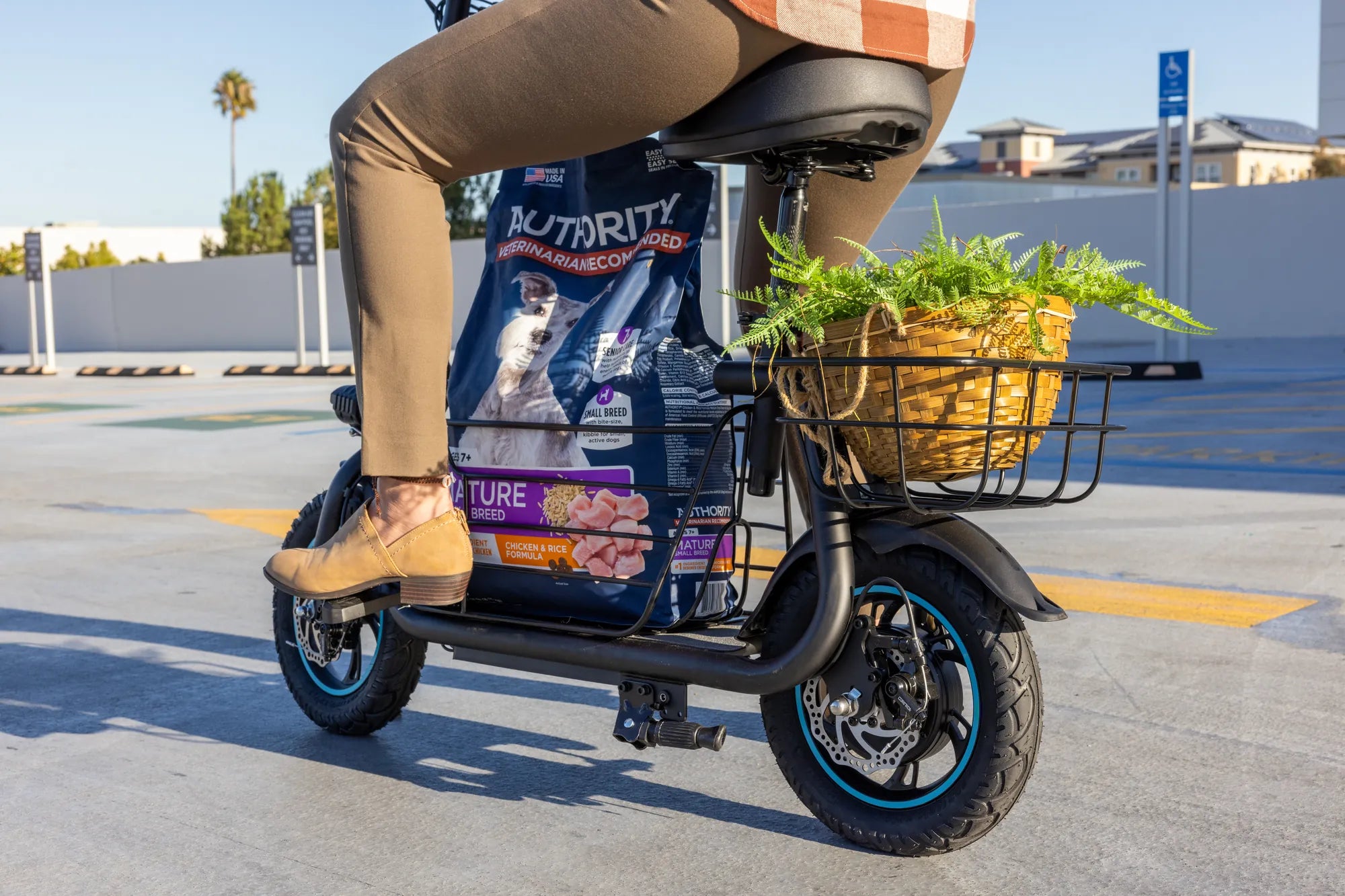
Stuck in traffic, hunting for parking, and watching transit fares climb? Your daily commute is ripe for reinvention. The electric scooter represents a fundamental shift in urban mobility, offering a direct, efficient, and surprisingly enjoyable alternative. This guide cuts through the marketing hype to deliver a factual, detailed analysis of the top electric scooters for commuting. We'll equip you with the knowledge to select a scooter based on safety certifications, real-world performance, and durability, ensuring your investment delivers reliable urban freedom for years to come.
Why Your Commute Needs an Electric Scooter
The traditional commute is a significant source of daily stress and expense. According to recent urban mobility studies, the average commuter in a major metropolitan area spends over 50 hours annually stuck in congestion. Electric scooters directly address these pain points with measurable efficiency.
They operate at a fraction of the cost of car ownership or ride-sharing. The electricity cost to charge a typical commuter scooter is often less than ten cents per full charge. For a 5-mile commute, this translates to a cost of under one cent per mile, compared to the IRS standard mileage rate of 67 cents for automobiles.
Beyond economics, e-scooters provide unmatched time predictability. They utilize bike lanes and pathways, bypassing gridlocked traffic. This transforms a variable, frustrating journey into a consistent, controlled trip. The environmental benefit is also clear, with near-zero operational emissions.
This guide is designed as your definitive resource. We will analyze the critical features that separate a reliable daily driver from a recreational toy, compare models for different needs, and provide the toolkit for safe and savvy urban riding. The goal is to help you find the ultimate tool for urban mobility.
Key Features Every Commuter Scooter Must Have
Selecting a scooter for daily use requires a different lens than choosing one for occasional fun. Reliability, safety, and practicality become non-negotiable. These core features form the foundation of a trustworthy commuter vehicle.
Ignoring any of these pillars can lead to premature failure, safety risks, or a scooter that simply doesn't fit your lifestyle. The following criteria are essential for evaluating any model presented as a solution for the daily grind.
Safety First: Brakes, Lights, and Build Quality
A commuter scooter is a vehicle, and its primary duty is to keep you safe. The braking system is paramount. A dual-brake system, combining a mechanical brake (disc or drum) with an electronic regenerative brake, provides critical redundancy. This ensures consistent stopping power in all conditions, especially during wet weather.
Lighting is not an accessory; it is a necessity. A bright front headlight (200+ lumens), a solid rear brake light, and integrated deck or wheel lights for side visibility are mandatory for dawn, dusk, and night riding. The frame must be constructed from aerospace-grade aluminum or reinforced steel, with no flex or wobble at speed.
Finally, battery safety is the most critical yet overlooked feature. Insist on UL 2272 or UL 2843 certification. This independent testing verifies the battery and electrical system meet rigorous safety standards, drastically reducing fire risk. Brands like Gyroor build this certification into their entire lineup, a fundamental commitment to rider safety.
Range & Speed: Matching Specs to Your Real Route
Manufacturer range claims are typically based on ideal laboratory conditions: a lightweight rider on flat pavement at low speed. Real-world range can be 60-70% of the advertised figure. Calculate your needs by doubling your one-way commute distance and adding a 30% buffer for hills, stops, and battery degradation over time.
For a 5-mile one-way commute, target a scooter with a minimum *real-world* range of 15 miles. Speed is a balance between efficiency and legality. A top speed of 15-20 mph is ideal for most urban environments, allowing you to keep pace with bicycle traffic without exceeding common scooter speed limits in bike lanes.
Motor power, measured in watts, determines hill-climbing ability. A 350W motor can handle mild inclines, while a 500W or dual-motor system is needed for consistently hilly cities. Prioritize real-world torque over theoretical top speed for a practical commute.
Portability & Durability: From Subway Stairs to Rainy Days
If your commute involves buses, trains, or office elevators, portability is key. Look for a one-step folding mechanism and a total weight you can comfortably carry. The "sweet spot" for portable commuters is between 30 and 45 pounds. A built-in carry handle or a design that balances when folded is a major ergonomic advantage.
Durability is defined by weather resistance. An IPX5 water-resistance rating means the scooter can withstand water jets from any direction. This protects the electronics from rain, puddles, and street spray. Gyroor designs its commuter models to this standard, ensuring all-weather reliability. Pneumatic (air-filled) tires also contribute to durability by providing better shock absorption than solid tires, reducing stress on the frame and electronics.
Top Electric Scooter Picks for Different Commuter Profiles
There is no single "best" scooter—only the best scooter for your specific situation. The following categories and comparisons are based on aggregated performance data, build quality, and feature sets tailored to distinct commuting needs.
This comparative analysis uses real-world tested metrics to help you match a scooter's capabilities to your daily route, physical demands, and storage constraints. Consider where your priorities lie: is it maximum range, effortless portability, or balanced all-around performance?
| Profile | Key Priority | Ideal Real-World Range | Weight Class | Critical Feature |
|---|---|---|---|---|
| The All-Rounder | Balanced Performance | 15-22 miles | 35-45 lbs | UL-Certified Battery, IPX5 Rating |
| The Long-Distance Champion | Extended Range | 25+ miles | 50+ lbs | Dual Suspension, Large Battery |
| The Ultra-Portable | Weight & Foldability | 10-15 miles | < 30 lbs | One-Step Fold, Integrated Carry |
The All-Rounder: Best for Most Urban Commuters
This category is for riders with a typical 4-8 mile one-way commute who need a reliable, do-everything machine. The ideal all-rounder offers a blend of sufficient range (18+ miles real-world), a comfortable 19 mph cruising speed, and a manageable weight around 40 pounds for occasional carrying.
It must excel in safety fundamentals. Models like the Gyroor Z8 exemplify this category, pairing a 500W motor with a UL 2272-certified battery pack for robust power and proven safety. The inclusion of an IPX5 rating means a sudden rain shower doesn't end your commute.
Features like a bright headlight, responsive dual braking, and 10-inch pneumatic tires provide the confidence needed for daily city riding. This category prioritizes thoughtful engineering over extreme specs, delivering dependable performance day after day.
The Long-Distance Champion: For Extended Commutes
For commutes exceeding 10 miles one-way or for those who want to eliminate charging anxiety entirely, long-range scooters are essential. These models feature high-capacity batteries (often 15Ah+) and efficient motors to deliver 25 to 40 miles of real-world range.
The trade-off is almost always weight and size. These scooters often weigh 55 pounds or more, making them impractical for multi-modal transit. They compensate with superior ride comfort, featuring dual suspension systems and larger deck space.
When evaluating these models, scrutinize the battery certification closely. A larger, uncertified battery represents a significantly higher risk. The investment here is substantial, so prioritize brands with a track record of durability and strong customer support for high-mileage users.
The Ultra-Portable: For Last-Mile & Multi-Modal Pros
If your routine involves a train, bus, or a walk-up apartment, every pound counts. Ultra-portable scooters weigh under 30 pounds and feature ingenious folding designs that minimize bulk. The goal is seamless integration with public transit.
Performance is intentionally modest, with real-world range often capping at 12-15 miles and top speeds around 16 mph. The engineering focus is on compactness and carry-ability. Despite the small size, do not compromise on core safety: a mechanical brake and adequate lighting are still mandatory.
These scooters prove that portability doesn't mean fragility. Look for solid construction around the folding mechanism, as this is the primary stress point. They are the ultimate solution for solving the "first and last mile" problem in sprawling metropolitan areas.
The Commuter's Toolkit: Beyond the Scooter
Your scooter is the vehicle, but a successful commute requires the right supporting gear and knowledge. This toolkit encompasses both physical accessories and mental frameworks for navigating the urban landscape safely and efficiently.
Investing in these elements protects your person, your property, and your peace of mind. They transform riding from a novel activity into a reliable, integrated part of your daily routine.
Essential Gear: Helmet, Lock, and Visibility Aids
A helmet is non-negotiable. Choose a certified bicycle or multi-impact helmet that fits snugly. For night riding, a helmet with integrated rear lighting adds a crucial layer of visibility. Your scooter is a target for theft; secure it with a high-quality U-lock or heavy-duty folding lock, threading it through the frame and a fixed object.
Even with built-in lights, supplemental visibility is wise. Ankle straps with reflectors or a high-visibility vest make you conspicuously human to drivers. Consider a removable, brighter secondary headlight for poorly lit paths. This gear is a small investment with an immeasurable return in safety.
Riding Etiquette & Route Planning for the City
You are part of the urban traffic ecosystem. Always ride in bike lanes where available. On shared paths, control your speed and audibly signal (use a bell or a polite "on your left") when passing pedestrians. Never ride on sidewalks—it's illegal in most municipalities and dangerous for walkers.
Route planning is strategic. Use apps like Google Maps (set to bicycle mode) or dedicated cycling apps to find routes that prioritize bike lanes and quieter streets over the shortest path. A slightly longer route on calmer roads is often faster and always less stressful than battling traffic on a main artery.
Maximizing Your Scooter's Lifespan and Performance
A commuter scooter is a tool, and proper maintenance ensures it remains reliable. Proactive care prevents minor issues from becoming major failures, protects your investment, and guarantees consistent performance throughout the scooter's life.
These practices are simple, routine, and centered on the two most critical systems: the battery and the mechanical components. Adopting them is the hallmark of a savvy owner.
Battery Care Best Practices for Daily Use
Lithium-ion batteries prefer partial cycles. For daily commuting, try to keep the charge between 20% and 80% for optimal longevity. Avoid regularly draining the battery to 0% or leaving it plugged in at 100% for extended periods (days or weeks).
Store your scooter in a cool, dry place. Extreme heat (inside a hot car) or cold (left outdoors in freezing temps) accelerates battery degradation. If storing the scooter for a month or more, leave the battery at approximately a 50% charge. These habits, combined with starting from a UL-certified pack, maximize both safety and service life.
Routine Maintenance Checklist
Establish a quick pre-ride check: verify tire pressure (prevents flats and improves range), test brake lever response, and ensure all lights are functional. A weekly or monthly deeper check should include inspecting the brake pads for wear, ensuring all frame and stem bolts are tight, and cleaning the deck and wheels of debris.
Listen for new noises—squeaks, rattles, or grinding sounds are early warning signs. A strong warranty, like the 1-year comprehensive coverage offered by Gyroor with accessible U.S.-based support, provides a safety net. However, routine care is the best way to avoid needing to use it.
Frequently Asked Questions (FAQs) for New Commuter Riders
Q: Are electric scooters legal for my daily commute?
A: Laws vary dramatically by city, state, and country. In general, they are legal on streets and in bike lanes in most major U.S. cities, but often prohibited on sidewalks. Always check your local Department of Transportation or city council ordinances for specific rules regarding speed limits, helmet requirements, and approved riding areas before you buy.
Q: How much should I realistically budget for a quality commuter scooter?
A> For a reliable scooter built for daily use with essential safety features, expect to invest between $600 and $1,200. Models below this range often compromise on battery safety, motor reliability, or build quality, leading to higher long-term costs and potential safety issues.
Q: Can I ride my electric scooter in the rain?
A: If your scooter has an IPX5 water-resistance rating or higher, it is engineered to withstand rain and road spray. You can commute in wet conditions. However, avoid deep puddles or submerging any part of the scooter, as this can exceed the design limits. Always reduce speed and brake earlier in the rain.
Q: How do I know if the battery is safe?
A> The single most important indicator is independent safety certification. Look for the UL 2272 (for the battery system) or UL 2843 (for the entire electrical drive train) mark. Reputable brands prominently display this certification. Never purchase a scooter with an uncertified battery, regardless of the price or claimed specifications.
Q: Is an electric scooter actually faster than driving for my commute?
A> In dense urban areas with chronic congestion, very often yes. While a car's theoretical top speed is higher, the e-scooter's ability to use bike lanes and bypass traffic queues frequently results in a lower and, more importantly, more predictable total trip time. The time savings from eliminating the search for parking can be substantial.
Your Ticket to a Smarter, Greener Commute
The journey to a better commute begins with informed choices. Prioritize verified safety through UL certification, demand real-world range that meets your needs, and choose a scooter built for durability with features like IPX5 water resistance. A well-chosen electric scooter is more than a gadget; it's a practical, cost-effective, and enjoyable upgrade to your personal mobility system.
It represents a conscious step towards reducing your carbon footprint, reclaiming your time, and rediscovering the simple pleasure of moving through your city. By selecting a reputable brand that stands behind its products with robust warranties and support, like Gyroor, you invest in long-term satisfaction and peace of mind. Ready to transform your daily travel? Explore engineering-built for the real world and browse the full Gyroor collection at gyroorboard.com to find your perfect commuter companion.
Ride Electric - E-Scooters & E-Bikes Australia: The Future of Urban Mobility
Best Electric Scooters for Kids 2024: Top Picks for Fun and Safety