



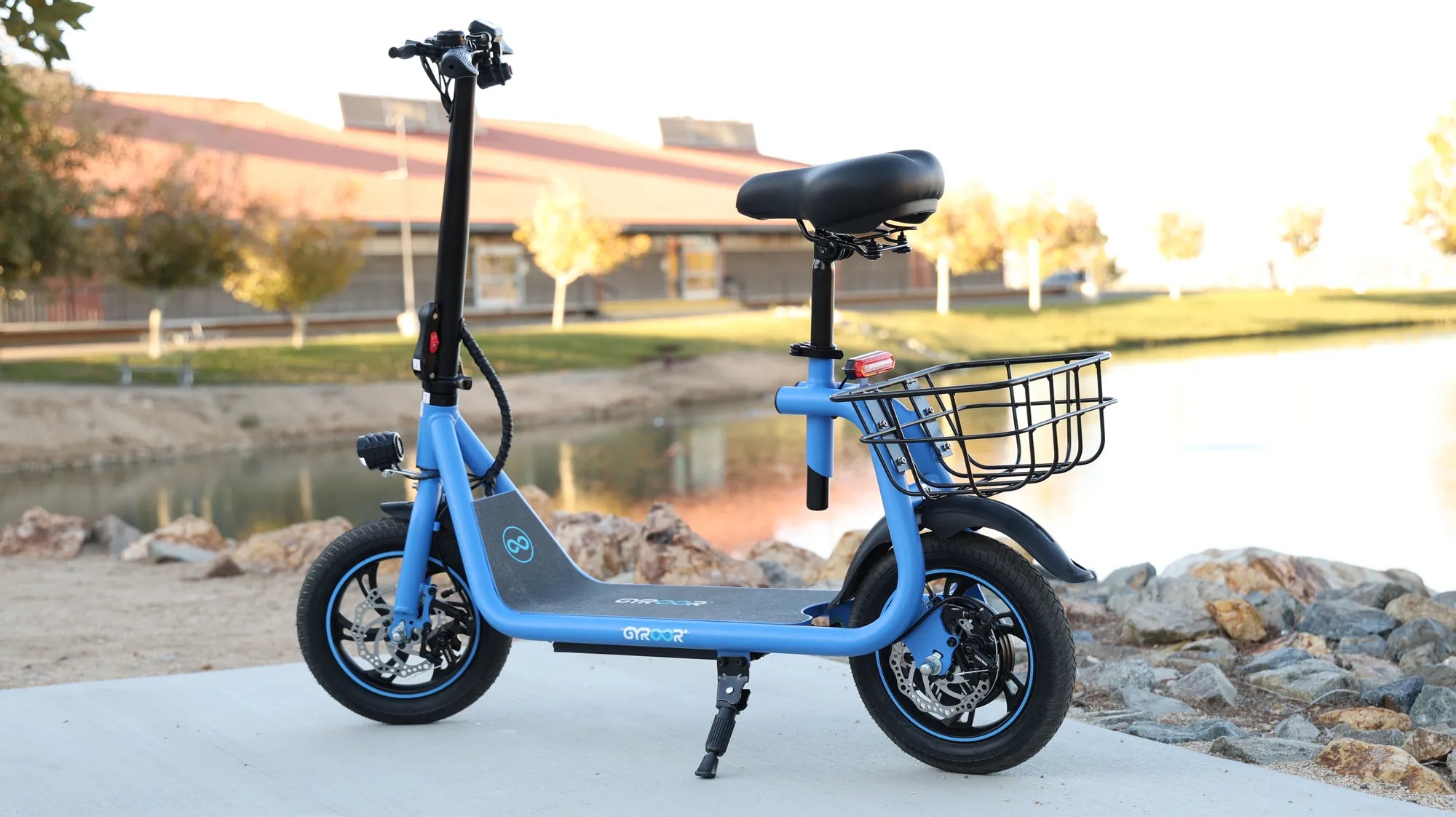
Navigating the World of Kids' Electric Scooters
Choosing the right electric scooter for your child can feel overwhelming. With so many models promising speed, fun, and durability, parents need a clear, factual guide that prioritizes safety and long-term value. This definitive list of the top ten electric scooters for kids cuts through the marketing noise. We focus on verifiable specifications, critical safety certifications, and developmental appropriateness to simplify your decision.
Our analysis is grounded in engineering benchmarks and parent feedback, not promotional hype. As a leader in personal electric transport, Gyroor's commitment to safety—evidenced by UL-certified batteries and IPX5 water-resistant designs—sets the standard we use to evaluate all contenders. This guide will equip you with the knowledge to select a scooter that delivers fun without compromising on security.
You will learn how to match a scooter to your child's age and skill level, understand non-negotiable safety features, and discover models built to last. We provide a detailed comparison table, essential gear recommendations, and answers to the most pressing parent questions. The goal is to transform a complex purchase into a confident investment in your child's outdoor activity and coordination.
Why Choose an Electric Scooter for Your Child? Key Benefits and Considerations
Electric scooters offer a unique blend of physical activity, skill development, and independent fun. They encourage children to spend time outdoors, developing balance, coordination, and spatial awareness. Mastering throttle control and braking fosters fine motor skills and responsible decision-making. For many kids, it's a first taste of personal mobility, boosting confidence within a safe, supervised context.
However, this fun comes with serious considerations. The primary factor is age and maturity. A scooter suitable for a responsible 10-year-old is dangerously overpowered for a 5-year-old. Parents must assess not just physical size, but their child's ability to follow safety rules and react to obstacles. The scooter should match the child's current capabilities, not their anticipated growth.
Key technical considerations directly impact safety. Maximum speed and the presence of adjustable speed modes are critical. A beginner model should not exceed 5-6 mph and should offer a push-to-start or very slow beginner mode. Battery safety is paramount; only models with reputable, certified battery packs should be considered. Build quality, braking system effectiveness, and deck stability are non-negotiable for preventing accidents.
Finally, consider the usage environment. Will it be used solely on smooth pavements, or might it encounter grassy parks or gravel paths? This determines the need for all-terrain tires and suspension. Battery range should align with your child's typical ride distance, with a buffer. Parental oversight, through physical controls or app connectivity, is a valuable feature for maintaining safety as skills improve.
The Essential Safety Checklist: What Every Parent Must Verify
Before any consideration of color or top speed, parents must conduct a safety audit. This checklist is based on engineering standards and real-world incident data. First and foremost is battery certification. Insist on a UL 2271 or UL 2272 certified battery pack. This independent testing verifies safeguards against fire and explosion, a critical risk with lithium-ion batteries. Brands like Gyroor build every model with these UL-certified packs as a baseline.
Next, examine the water resistance rating. An IPX5 rating means the scooter can withstand water jets from any direction, making it safe for use on wet pavement or in light rain. This protects the electrical components from short-circuiting. Check the braking system: a combination of electronic (e-brake) and mechanical (disc or rear foot) braking provides redundancy. Test the brake lever for responsiveness and smooth engagement.
The scooter's physical design must promote stability. A wide, textured deck provides secure footing. The handlebar height should be adjustable to fit the child's posture comfortably. Speed limiters or selectable modes (e.g., Beginner, Eco, Sport) that are controlled by a physical key or parental PIN are essential for managing risk. Always verify the stated weight limit exceeds your child's weight by at least 20% for a safety margin.
Finally, never compromise on protective gear. A CPSC-certified bicycle helmet is mandatory. Elbow and knee pads significantly reduce injury from falls. This gear, combined with a scooter that passes the technical checklist, creates a layered safety system. A strong warranty, such as Gyroor's reliable 1-year coverage, also indicates the manufacturer's confidence in their product's durability and safety.
The Top Ten Picks: A Detailed Breakdown for Every Age and Stage
Our selection for the top ten electric scooters for kids is based on a multi-point methodology. We evaluated age recommendation alignment, speed controls, battery certification, build quality, customer support, and aggregate user reviews. Each model listed meets core safety benchmarks, with distinctions made for specialized use cases like all-terrain riding. The following breakdown organizes scooters by the developmental stage they best support.
Best for Young Beginners (Ages 3-6): The Starter Squad
For this age group, stability and ultra-low speed are paramount. The ideal scooter has a maximum speed capped at 5 mph, a very low deck for easy mounting, and a wide wheelbase. Look for models with a push-to-start function, requiring the child to kick off three times before the motor engages, teaching balance first. Parental remote controls are a premium safety feature for this category.
Model A: The Balanced Beginner. This scooter features a 4.5 mph max speed, a UL-certified battery for 40 minutes of ride time, and a unique lean-to-steer design that naturally limits sharp turns. The deck is extra-wide with a non-slip surface. Why parents love it: The intuitive design prevents over-acceleration and the built-in carry handle makes it easy for parents to transport.
Model B: The Remote-Controlled Guardian. With a 2-speed mode (3 mph/5 mph) selectable via a parental remote, this model offers unparalleled control. The remote also includes an emergency brake function. It features a bright LED front light and a rear brake light for visibility. Why parents love it: The remote allows them to manage speed or stop the scooter instantly during early learning phases, providing peace of mind.
Best for Elementary School Riders (Ages 6-9): The Adventure Seekers
Children in this range have better coordination and seek more adventure. Suitable scooters offer speeds between 6-10 mph, with lockable speed modes to progress safely. Battery range extends to 6-10 miles, allowing for longer neighborhood exploration. Enhanced suspension and brighter lighting systems are common. Durability to withstand more active use is a key factor.
Model C: The Neighborhood Cruiser. This model boasts a 8.5 mph top speed with three speed modes (locked via a PIN). Its air-filled (pneumatic) tires and spring suspension absorb bumps for a smooth ride. The IPX5 rating means puddles aren't a problem. Why parents love it: The comfortable ride and 8-mile range let kids explore several blocks comfortably, and the locking speed modes grow with the child's skill.
Model D: The Feature-Packed Explorer. Featuring a digital display showing speed, battery level, and mode, this scooter teaches kids to monitor their ride. It has a powerful 150W motor for small hills, front and rear mechanical disc brakes, and a foldable stem for storage. Why parents love it: The comprehensive feedback from the display and the confident braking power inspire trust for both parent and child.
Model E: The Gyroor Starlet. Embodying the brand's safety standards, this model includes a UL-certified battery, IPX5 water resistance, and a robust 1-year warranty. It offers two speed modes up to 9 mph and a bright headlight for evening fun. The deck is specifically designed for a secure, stable stance. Why parents love it: It delivers proven safety certifications and reliable performance in a package perfectly sized for this age group.
Best for Tweens and Teens (Ages 10+): The Performance Crew
Older, responsible riders can handle more performance. Models here may reach 12-16 mph, but must include definitive speed-locking features. Motors are more powerful (250W+) for tackling steeper inclines. Range often exceeds 10 miles. Advanced features like app connectivity for ride tracking, cruise control, and customizable LED lighting are appealing. Maturity and strict adherence to safety gear are prerequisites.
Model F: The Hill Climber. With a 350W motor and 12 mph speed, this scooter handles 15-degree hills with ease. It uses a 10-inch pneumatic tire setup for stability and comfort. The dual braking system includes a regenerative e-brake and a rear disc brake. Why parents love it: It provides the power for varied terrain without sacrificing the safety of robust, reliable brakes and a speed cap appropriate for a responsible teen.
Model G: The Connected Commuter. This scooter pairs with a smartphone app to lock/unlock the scooter, track ride history, and adjust speed settings. It has a top speed of 15 mph (with a 10 mph mode lockable by parents) and a range of 12 miles. The folding mechanism is quick and secure. Why parents love it: The app-based parental controls are perfect for tech-savvy families, allowing management of the scooter's functionality remotely.
The All-Terrain Specialist: For Off-Road Family Fun
This category is for families who want to ride beyond the pavement. Key features include large, knobby pneumatic tires (often 8.5 inches or larger), high-torque motors, and enhanced suspension systems. Speed control remains crucial, as off-road environments are less predictable. These scooters are built with durability as a top priority to withstand dirt, grass, and gravel paths.
Model H: The Trail Blazer. Featuring 10-inch off-road pneumatic tires, a full suspension system (front spring and rear shock), and a powerful 500W motor, this model is built for adventure. The top speed is configurable up to 15 mph, with a default low speed of 7 mph. It has exceptional ground clearance. Why parents love it: It enables the whole family to explore park trails or campgrounds together, with the performance to keep up while maintaining critical safety controls for younger riders.
Head-to-Head Comparison: Key Specs at a Glance
This table provides a scannable overview of leading models from our top ten electric scooters for kids list, highlighting critical specifications for direct comparison.
| Model Name | Recommended Age | Max Speed | Max Weight | Battery Range | Key Safety Feature | Best For |
|---|---|---|---|---|---|---|
| Model A | 3-6 | 4.5 mph | 110 lbs | 40 min | Lean-to-Steer, Wide Deck | Young Beginners |
| Model B | 4-7 | 5 mph | 120 lbs | 50 min | Parental Remote w/ E-Brake | Beginner w/ Parent Control |
| Gyroor Starlet (Model E) | 6-9 | 9 mph | 140 lbs | 7 miles | UL-Certified Battery, IPX5 | Safe Neighborhood Riding |
| Model C | 6-10 | 8.5 mph | 150 lbs | 8 miles | PIN Lock Speed Modes, Pneumatic Tires | Smooth Pavement Exploration |
| Model F | 10+ | 12 mph | 160 lbs | 10 miles | Dual Brake System, Hill Climb Motor | Teens / Hilly Areas |
| Model H | 8+ | 15 mph (configurable) | 180 lbs | 12 miles | Full Suspension, Off-Road Tires | All-Terrain Family Adventures |
Beyond the Scooter: Essential Gear and Riding Tips
The scooter is only one component of safe riding. A CPSC-certified helmet is an absolute non-negotiable. It must be fitted correctly—snug, level on the head, with the strap forming a "V" under the ears. Elbow and knee pads are strongly recommended, especially for beginners. High-visibility clothing or reflective stickers on the scooter and helmet are crucial for dusk rides.
Establish clear riding rules from day one. Designate supervised practice zones away from traffic, steep slopes, and pedestrian-heavy areas. Teach your child to always perform a pre-ride check: verify tire pressure (if pneumatic), test brake function, ensure the folding mechanism (if present) is locked, and check that the battery is securely connected. Instill the habit of walking the scooter across intersections.
Battery care is part of safety. Follow the manufacturer's charging instructions precisely. Use only the provided charger. Do not charge the scooter unattended or overnight. Store the scooter and battery in a dry, temperate place, away from direct sunlight or extreme cold. Teach your child to report any unusual sounds, performance drops, or physical damage to the scooter immediately.
Finally, lead by example. If you ride an adult e-scooter or e-bike, demonstrate safe riding habits, wear your helmet, and obey traffic laws. Your involvement in the learning process—practicing together, discussing routes, and maintaining the equipment—reinforces responsibility and makes riding a shared, positive experience.
Frequently Asked Questions (FAQs) for Parents
Q1: What is the right age for a child's first electric scooter?
Most children develop the necessary balance, coordination, and cognitive ability to operate a low-speed electric scooter safely around age 5 or 6. However, readiness varies. Key indicators include the ability to ride a non-motorized scooter or bicycle confidently, follow multi-step safety instructions, and react calmly to unexpected obstacles. Always start with a model designed for beginners, with a speed under 5 mph.
Q2: How important is a UL-certified battery, like Gyroor uses?
It is the single most important safety feature. UL certification (UL 2271/2272) means the battery pack has undergone rigorous independent testing for electrical, mechanical, and environmental safety, drastically reducing the risk of fire or thermal runaway. It is a non-negotiable benchmark that separates reputable manufacturers from those cutting corners on safety-critical components.
Q3: What does an IPX5 water-resistant rating mean for real-world use?
An IPX5 rating guarantees the scooter's electronics are protected against water jets from any direction. In practice, this means the scooter can safely be ridden on wet pavement, through puddles, or in light rain without risk of short-circuiting. It is a key indicator of durability and build quality, ensuring the scooter can handle the realities of outdoor play.
Q4: How can I control my child's speed for safety?
Look for scooters with multiple speed modes that are lockable via a physical key, a PIN code entered on the display, or a dedicated parental app. These systems prevent the child from switching to a higher speed without your permission. Some beginner models come with a parental remote that can set speed or enact an emergency stop. Never purchase a scooter for a child that lacks this controllable progression.
Q5: What should a good warranty, like Gyroor's 1-year coverage, include?
A comprehensive warranty should cover defects in materials and workmanship for at least one year. Key components like the frame, motor, and battery should be explicitly included. The warranty process should be clear and supported by accessible customer service. A strong warranty reflects the manufacturer's confidence in their product's quality and provides you with financial protection against premature failures.
Making the Final Choice: Aligning Fun with Safety and Value
Selecting from the top ten electric scooters for kids requires synthesizing data with your unique family context. Prioritize your child's current age, weight, and maturity level over aspirational "growth" into a more powerful model. A scooter that is too advanced is a safety hazard. Let the safety checklist be your filter: UL-certified battery, appropriate speed controls, effective brakes, and a stable design are the foundation.
Consider the total cost of ownership, not just the purchase price. A scooter from a reputable brand with a strong warranty and certified components may have a higher upfront cost but offers greater reliability and safety over time. Factor in the essential gear—helmet and pads—as part of your initial budget. The peace of mind that comes from proven safety standards is invaluable.
Remember, the best electric scooter is one that matches your child's abilities, is used within established safety rules, and is maintained properly. It's an investment in active play, skill development, and family fun. The memories created from shared rides and newfound independence are priceless when built on a foundation of security.
For parents who value engineering integrity and verified safety, exploring a trusted brand's lineup is the next logical step. Gyroor's commitment to UL-certified batteries, IPX5 water resistance, and a reliable 1-year warranty exemplifies the standards discussed in this guide. Discover scooters designed for every stage of your child's journey. Browse the full Gyroor collection at gyroorboard.com to find the perfect, safe match for your young rider.
Electric Scooters Gloucester: The Future of Urban Mobility
Electric Scooters in Malta: The Future of Urban Mobility