



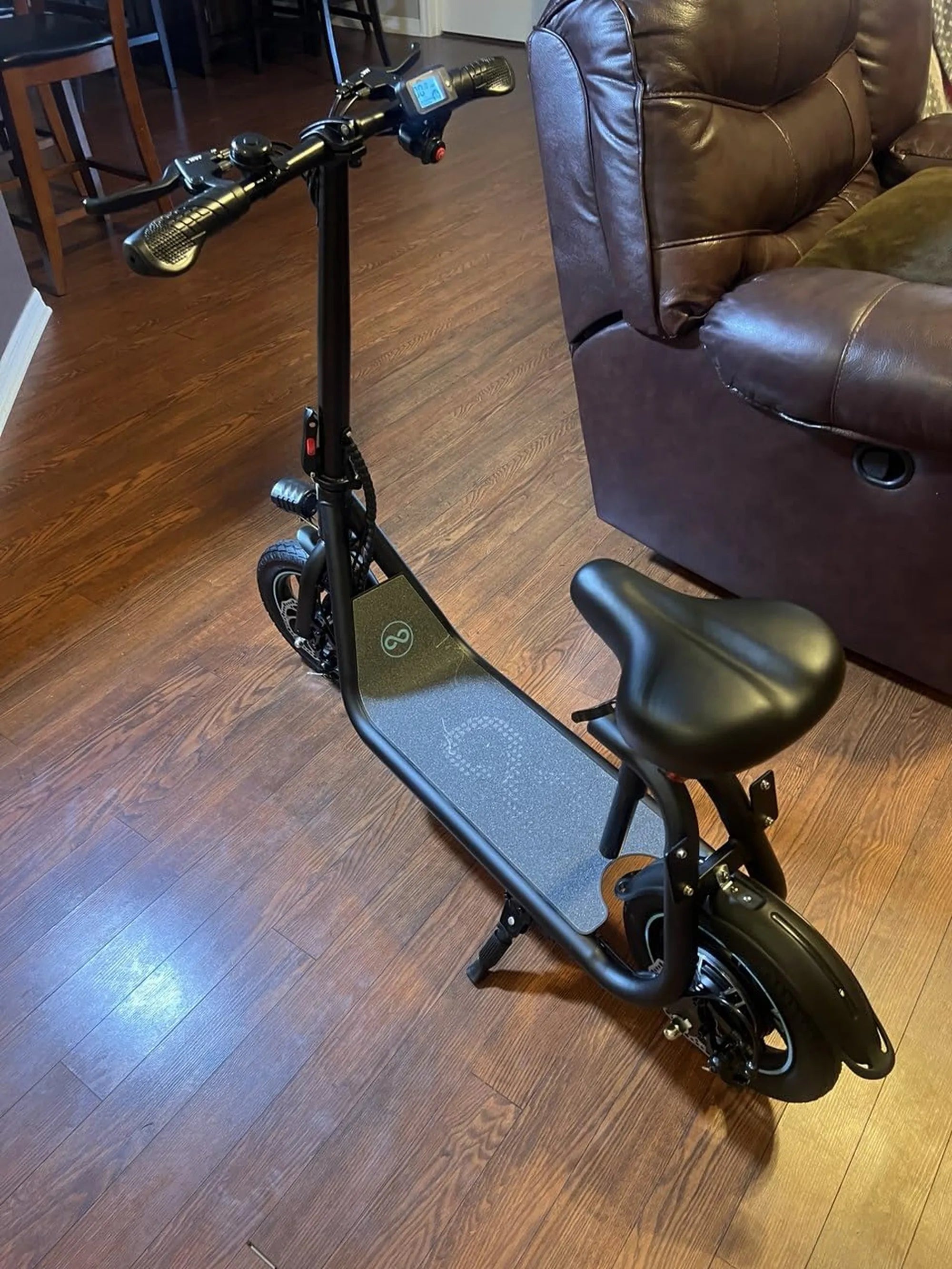
E-scooters have revolutionized urban mobility, offering a convenient and eco-friendly way to navigate busy streets. At the heart of every e-scooter lies its battery, the powerhouse that determines how far and how fast you can go. Understanding the different types of e-scooter batteries is crucial for making an informed decision, whether you're a daily commuter or a weekend rider. Let's dive into the world of e-scooter batteries and explore the options available.
Lithium-Ion Batteries: The Gold Standard
Lithium-ion (Li-ion) batteries are the most popular choice for modern e-scooters, and for good reason. These batteries are lightweight, compact, and offer a high energy density, meaning they can store more power in a smaller space. They also have a long lifespan, typically lasting between 500 to 1,000 charge cycles before their capacity starts to degrade.
One of the biggest advantages of Li-ion batteries is their fast charging time. Unlike other battery types, they can be recharged in just a few hours, making them ideal for riders who need a quick turnaround. Additionally, Li-ion batteries don't suffer from the memory effect, a phenomenon where batteries lose their maximum energy capacity if they're repeatedly recharged after being only partially discharged.
However, Li-ion batteries do come with some drawbacks. They are more expensive than other types of batteries, and they require careful handling to avoid overheating or damage. Proper storage and charging practices are essential to maximize their lifespan and safety.
Lead-Acid Batteries: The Budget-Friendly Option
Lead-acid batteries have been around for decades and are still used in some e-scooters, particularly older models or budget-friendly options. These batteries are heavier and bulkier than Li-ion batteries, which can affect the overall weight and portability of the e-scooter.
One of the main advantages of lead-acid batteries is their affordability. They are significantly cheaper than Li-ion batteries, making them an attractive option for riders on a tight budget. They are also relatively easy to recycle, which can be a plus for environmentally conscious consumers.
On the downside, lead-acid batteries have a shorter lifespan, typically lasting between 200 to 300 charge cycles. They also take longer to charge and are more prone to the memory effect, which can reduce their overall efficiency over time. Additionally, their heavier weight can impact the e-scooter's performance and handling.
Nickel-Metal Hydride Batteries: A Middle Ground
Nickel-metal hydride (NiMH) batteries offer a middle ground between Li-ion and lead-acid batteries. They are lighter than lead-acid batteries but not as lightweight as Li-ion batteries. NiMH batteries also have a higher energy density than lead-acid batteries, allowing for longer rides on a single charge.
One of the key benefits of NiMH batteries is their durability. They can withstand more charge cycles than lead-acid batteries, typically lasting between 500 to 800 cycles. They are also less prone to the memory effect, although it can still occur if the battery is frequently partially discharged.
However, NiMH batteries are not as efficient as Li-ion batteries and tend to lose charge more quickly when not in use. They also have a slower charging time compared to Li-ion batteries, which can be inconvenient for riders who need a quick recharge.
Solid-State Batteries: The Future of E-Scooter Power
Solid-state batteries are the next frontier in e-scooter battery technology. These batteries use a solid electrolyte instead of the liquid or gel electrolytes found in traditional batteries, offering several potential advantages.
Solid-state batteries promise higher energy density, faster charging times, and improved safety. Because they don't contain flammable liquids, they are less prone to overheating or catching fire, making them a safer option for e-scooters. They also have the potential to last longer, with some estimates suggesting they could endure over 1,000 charge cycles.
However, solid-state batteries are still in the early stages of development and are not yet widely available for e-scooters. They are also expected to be more expensive than current battery options, at least initially. As technology advances, solid-state batteries could become the standard for e-scooters, offering unparalleled performance and safety.
How to Choose the Right Battery for Your E-Scooter
Selecting the right battery for your e-scooter depends on several factors, including your budget, riding habits, and performance needs. Here are some key considerations to keep in mind:
- Budget: If cost is a primary concern, lead-acid batteries may be the most affordable option, but they come with trade-offs in weight and lifespan. Li-ion batteries are more expensive but offer better performance and longevity.
- Riding Distance: If you need to cover long distances on a single charge, a high-capacity Li-ion battery is your best bet. NiMH batteries can also work for moderate distances, while lead-acid batteries are better suited for shorter rides.
- Portability: If you frequently carry your e-scooter or need to store it in tight spaces, the lightweight nature of Li-ion batteries makes them the ideal choice.
- Charging Time: For riders who need a quick recharge, Li-ion batteries are the fastest option. Lead-acid and NiMH batteries take longer to charge, which may not be convenient for everyone.
Maintaining Your E-Scooter Battery
Regardless of the type of battery you choose, proper maintenance is essential to ensure optimal performance and longevity. Here are some tips to keep your e-scooter battery in top shape:
- Avoid Overcharging: Overcharging can reduce the lifespan of your battery. Use a charger with an automatic shut-off feature to prevent overcharging.
- Store Properly: If you won't be using your e-scooter for an extended period, store the battery in a cool, dry place and keep it partially charged.
- Keep It Clean: Dirt and moisture can damage the battery terminals. Regularly clean the battery and its connections to ensure good conductivity.
- Monitor Temperature: Extreme temperatures can affect battery performance. Avoid exposing your e-scooter to very hot or cold environments for prolonged periods.
E-scooter batteries are the lifeblood of your ride, and choosing the right one can make all the difference in your commuting experience. Whether you opt for the lightweight efficiency of lithium-ion, the affordability of lead-acid, or the future potential of solid-state, understanding the pros and cons of each type will help you make the best decision. Ready to hit the road with confidence? Your perfect e-scooter battery is out there—just waiting to power your next adventure.
Cool Adult Scooters: The Ultimate Guide to Stylish and Efficient Commuting
Fastest Stand Up Scooter: The Ultimate Guide to Speed and Performance