

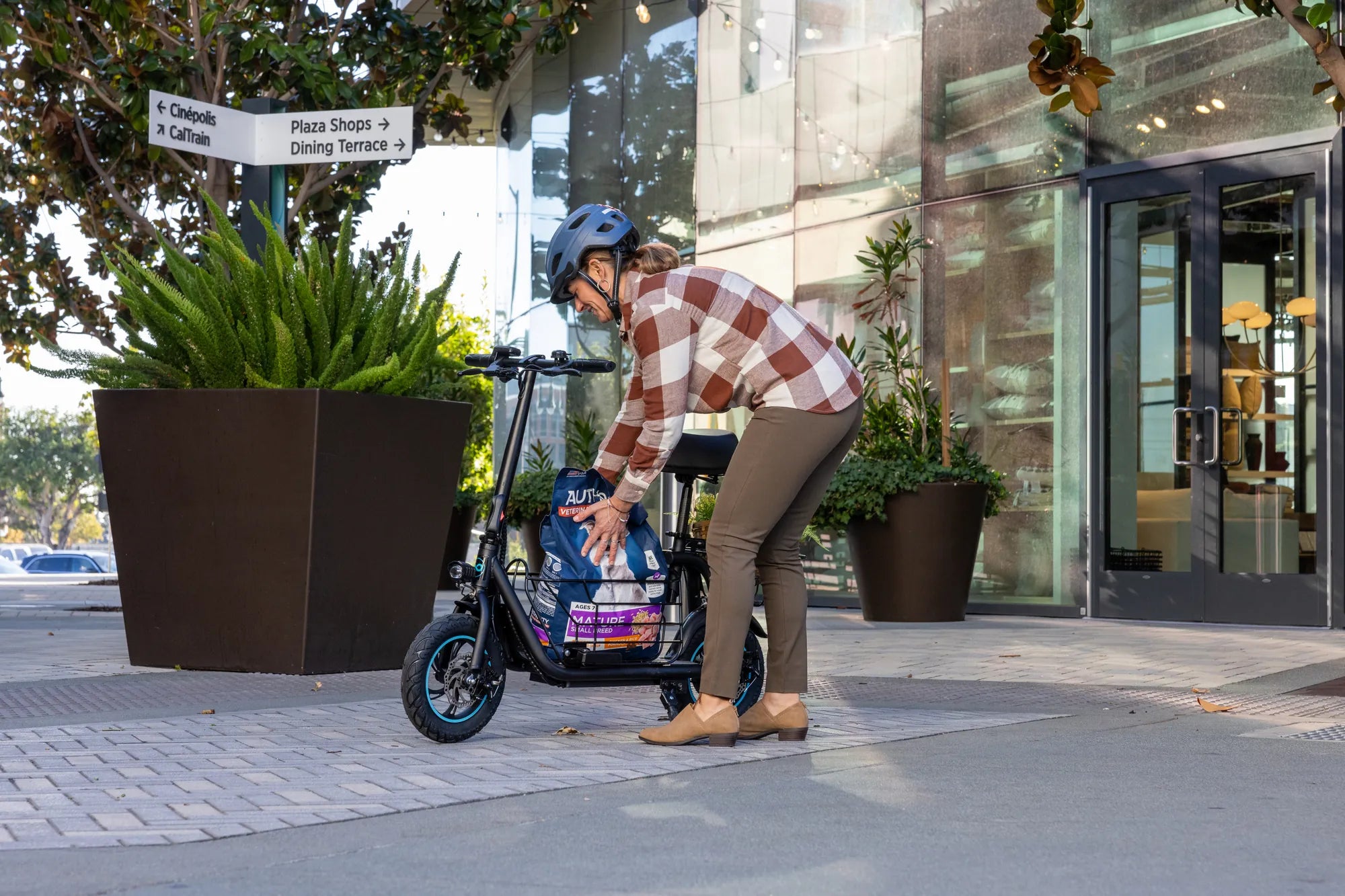
Electric scooters have revolutionized urban mobility, offering an eco-friendly and efficient way to navigate crowded streets. At the heart of every electric scooter is its motor, which determines speed, torque, and overall performance. Understanding the different types of motors used in electric scooters can help you make an informed choice when selecting your next ride.
Brushed DC Motors
Brushed DC motors are one of the oldest and most common types of motors used in electric scooters. These motors rely on brushes to deliver current to the rotor, creating motion through electromagnetic induction. While they are simple and cost-effective, their efficiency is lower compared to newer motor technologies.
Advantages of Brushed DC Motors
- Low initial cost
- Simple design and easy maintenance
- Reliable for low-speed applications
Disadvantages of Brushed DC Motors
- Lower efficiency due to brush friction
- Shorter lifespan due to brush wear
- Requires frequent maintenance
Brushless DC Motors (BLDC)
Brushless DC motors (BLDC) have become the industry standard for modern electric scooters. Unlike brushed motors, BLDC motors eliminate the need for brushes, relying instead on electronic controllers for commutation. This results in higher efficiency, longer lifespan, and better performance.
Advantages of Brushless DC Motors
- Higher efficiency and power output
- Longer lifespan with minimal maintenance
- Quieter operation and smoother acceleration
Disadvantages of Brushless DC Motors
- Higher initial cost
- More complex electronics required
- May require specialized repair services
Hub Motors
Hub motors are integrated directly into the wheels of an electric scooter, eliminating the need for chains or belts. They come in two main types: geared and gearless. Hub motors provide a compact and efficient design, making them popular for many electric scooters.
Geared Hub Motors
Geared hub motors use internal planetary gears to increase torque and efficiency. They are lightweight and ideal for urban commuting, offering a good balance of speed and power.
Gearless Hub Motors
Gearless hub motors, also known as direct-drive motors, have no internal gears. They are more durable and require less maintenance but tend to be heavier and less efficient at low speeds.
Mid-Drive Motors
Mid-drive motors are mounted near the scooter's center of gravity, typically near the pedals. These motors provide better weight distribution and improved handling, making them ideal for performance-oriented electric scooters.
Advantages of Mid-Drive Motors
- Superior weight distribution for better balance
- Higher torque for climbing hills
- More efficient power transfer
Disadvantages of Mid-Drive Motors
- Higher cost and complexity
- Increased wear on drivetrain components
- May require more frequent maintenance
Choosing the Right Motor for Your Electric Scooter
Selecting the right motor depends on your riding needs. If you prioritize affordability and simplicity, a brushed DC motor might suffice. For those seeking efficiency and longevity, a brushless DC motor is the better choice. Hub motors offer convenience, while mid-drive motors excel in performance.
Whether you're a daily commuter or an adventure seeker, understanding the types of motors used in electric scooters ensures you pick the perfect ride. Upgrade your mobility today with the right motor technology tailored to your lifestyle!
Best Electric Scooter in Panvel: Top Picks for Eco-Friendly Commuting
Will Soon Have More Electric Scooter: The Future of Urban Mobility