

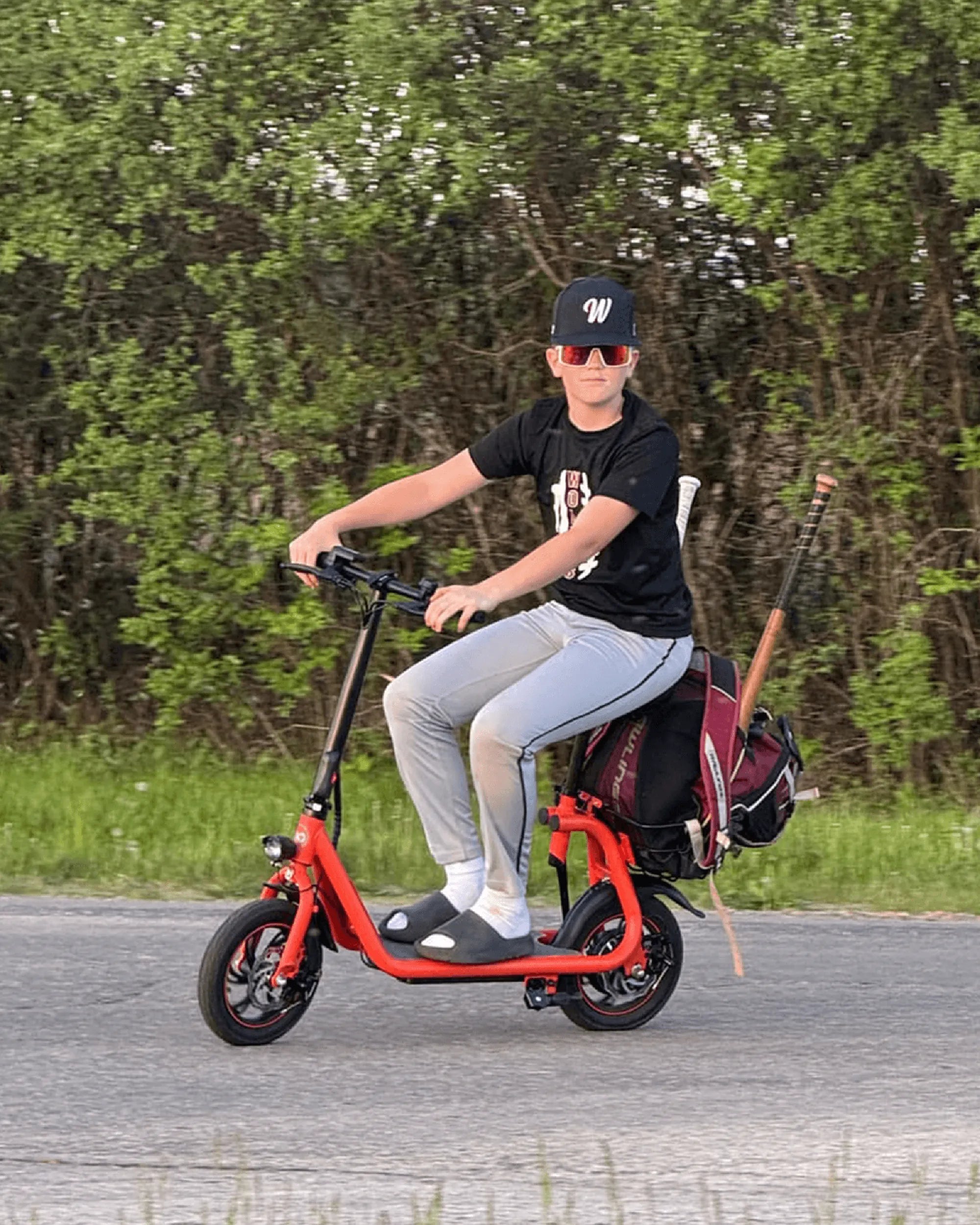
Imagine zipping through city streets without traffic jams, pollution, or the hassle of parking. Electric scooters are making this dream a reality, and soon, urban landscapes will soon have more electric scooters than ever before. As cities embrace sustainable mobility, these compact, eco-friendly vehicles are becoming the go-to choice for commuters worldwide. But what does this surge mean for the future of transportation?
The Rise of Electric Scooters
Electric scooters have exploded in popularity over the last decade, thanks to their affordability, convenience, and low environmental impact. Unlike traditional gas-powered vehicles, electric scooters produce zero emissions, making them a key player in the fight against climate change. With cities investing in bike lanes and charging stations, infrastructure is catching up to support this green revolution.
Benefits of Electric Scooters
The advantages of electric scooters are undeniable. They are cost-effective, requiring minimal maintenance and no fuel expenses. Commuters save time by avoiding traffic congestion, while cities benefit from reduced carbon footprints. Additionally, electric scooters are lightweight and portable, making them ideal for last-mile connectivity—bridging the gap between public transit and final destinations.
Environmental Impact
One of the biggest selling points of electric scooters is their sustainability. By replacing short car trips, they significantly cut down on greenhouse gas emissions. Studies show that if just 10% of urban commuters switched to electric scooters, cities could see a dramatic drop in air pollution levels.
Economic Advantages
From a financial perspective, electric scooters are a win-win. Users save on gas, parking, and insurance, while cities spend less on road maintenance and pollution-related healthcare costs. Shared scooter programs also create jobs, further boosting local economies.
Challenges to Overcome
Despite their benefits, electric scooters face hurdles. Safety concerns, such as accidents and rider inexperience, are top issues. Cities must implement stricter regulations, including helmet laws and speed limits, to protect riders and pedestrians. Another challenge is battery disposal—manufacturers need sustainable solutions to handle lithium-ion waste.
Infrastructure Needs
For electric scooters to thrive, cities must invest in dedicated lanes and parking zones. Cluttered sidewalks and unsafe riding conditions deter potential users. Urban planners are now reimagining streetscapes to accommodate this new mode of transport.
The Future of Electric Scooters
As technology advances, electric scooters will become smarter and more efficient. Innovations like swappable batteries, AI-powered navigation, and anti-theft systems are on the horizon. Governments are also offering incentives to encourage adoption, from tax breaks to subsidies. With these developments, it’s clear that cities will soon have more electric scooters as a staple of urban life.
The electric scooter revolution is just getting started. Whether you’re a daily commuter or an eco-conscious citizen, these nimble vehicles promise a cleaner, faster, and smarter way to navigate our cities. Don’t get left behind—embrace the change and ride into the future today!
What Makes an Electric Scooter Go Faster: Key Factors Explained
What Makes an Electric Scooter Go Faster: Key Factors Explained