



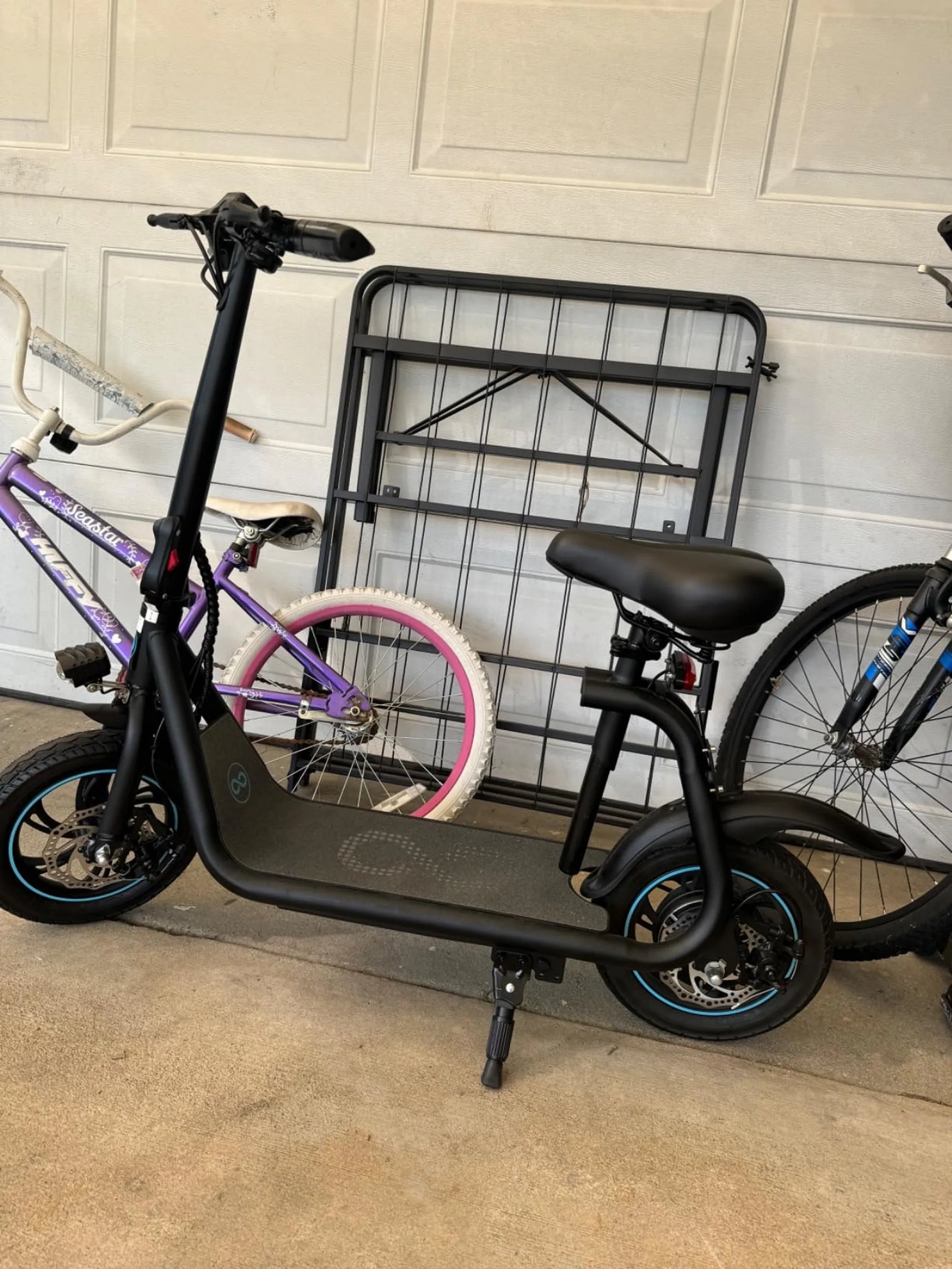
Navigating the Age Question in Electric Scooters
Determining the right age for an electric scooter is a critical safety decision, not just a matter of birthday wishes. The answer isn't a single number but a careful evaluation of legal requirements, individual maturity, physical capability, and technical specifications. This guide will provide parents and new riders with a comprehensive framework to assess readiness, understand regulations, and select the appropriate vehicle. You'll learn how to interpret manufacturer guidelines, evaluate crucial safety features, and match scooter performance to the rider's developmental stage. What age are electric scooters suitable for? The journey to a clear, responsible answer starts here.
Understanding the Legal Landscape: Age Laws and Regulations
Before considering a purchase, you must understand that electric scooter legality is dictated by local and state laws, not by manufacturers. These regulations exist primarily for public safety on shared roads and pathways. Ignoring them can result in fines, confiscation of the scooter, and, most importantly, increased risk of accidents.
In the United States, there is no federal law governing e-scooter use. Regulations vary dramatically. Most states and major cities set a minimum age for operating an e-scooter on public roads, bike lanes, or sidewalks. A common benchmark is 16 years old, but many jurisdictions set it at 14, 15, or 18. For instance, California law requires riders to be at least 16 and possess a valid driver's license or learner's permit.
European regulations are similarly diverse. Many countries classify e-scooters similarly to bicycles, but impose age limits often ranging from 14 to 16 years. Some cities also mandate helmet use and restrict riding on sidewalks entirely. The crucial step is to check your specific city's municipal code or department of transportation website for the most current rules.
These legal ages are absolute minimums. They represent the lowest threshold at which the law permits operation, assuming the rider can meet all other requirements like helmet use. They are not a recommendation or a guarantee of a child's readiness. Parents must use these numbers as a starting point, then apply a more nuanced assessment of their child's capabilities.
Why Manufacturer Recommendations Matter
While the law sets the floor, responsible manufacturers like Gyroor set age and weight recommendations based on the vehicle's engineering. These guidelines are derived from the scooter's power output, top speed, deck size, brake sensitivity, and overall handling characteristics.
A model rated for ages 14+ is designed with a specific physical and cognitive skill set in mind. Its acceleration curve, braking distance, and control responsiveness are tuned to be manageable for that developmental stage. Using a scooter designed for adults with a younger rider can be dangerous, as the power and weight may exceed their ability to control it safely.
Furthermore, weight limits are critical for performance and safety. Exceeding the maximum weight capacity can strain the motor, reduce battery life, compromise structural integrity, and critically extend braking distances. Adhering to the manufacturer's recommended age and weight ensures the scooter operates as designed, providing a stable and predictable riding experience.
Assessing Maturity and Responsibility: Beyond the Birthday
Chronological age is a convenient metric, but true readiness for an electric scooter hinges on maturity and responsibility. A responsible 14-year-old may be far more prepared than a careless 17-year-old. Parents must conduct an honest evaluation of their child's judgment and decision-making skills in dynamic environments.
Key indicators of readiness include consistent respect for rules, whether at home, school, or in sports. Can the child reliably follow instructions regarding safety gear? Do they demonstrate situational awareness, understanding potential hazards in traffic? A responsible rider must comprehend that an e-scooter is not a toy but a personal transportation device with inherent risks.
This maturity directly impacts the longevity and safety of the scooter itself. A rider who understands the importance of proper charging, storage, and basic maintenance will protect their investment and avoid scenarios that could lead to battery or mechanical failure. Brands like Gyroor support this with robust 1-year warranties and clear maintenance guides, but the rider's care is the first line of defense.
Finally, assess the intended riding environment. Is the child planning to ride solely on private property under supervision, or will they need to navigate public paths? The complexity of the environment should match the rider's cognitive ability to process traffic, pedestrians, and unexpected obstacles. Starting in a controlled, low-traffic area is essential for building foundational skills.
Matching Scooter Features to Age and Skill Level
Selecting the right scooter is about matching technical specifications to the rider's profile. The wrong features can make a scooter intimidating and unsafe for a beginner, while underwhelming specs can frustrate a competent commuter. This decision should be driven by data and safety benchmarks.
Core specifications to evaluate include motor power (measured in watts), top speed, range, brake type (electronic, disc, or drum), wheel size, and suspension. A beginner's scooter prioritizes stability, gentle acceleration, and reliable stopping power over raw speed or range. Advanced models offer higher performance but demand greater skill to handle safely.
Universal safety features should be non-negotiable, regardless of age. A UL-certified battery pack, like those used in all Gyroor models, is paramount. This certification means the battery has passed rigorous independent testing for electrical, fire, and casualty hazards—a critical factor for indoor charging safety. Similarly, a water-resistance rating (IP54 or IPX5) protects the scooter's electronics from rain and puddles, a common real-world condition.
The following table provides a clear comparison of recommended scooter profiles based on rider age and experience level, highlighting the key features that define each category.
| Rider Profile | Recommended Age | Key Priorities | Ideal Top Speed | Essential Features | Sample Use Case |
|---|---|---|---|---|---|
| Younger / Beginner | 14 - 16 | Safety, Stability, Learning | 10 - 15 mph | UL-Certified Battery, Dual Braking, Lower Deck, Beginner Mode | Supervised neighborhood rides, park paths |
| Teen / Intermediate | 16 - 18 | Balance of Performance & Control | 15 - 20 mph | Reliable Suspension, Better Range, Improved Lighting, IPX5 Rating | Riding to school, friends' houses |
| Adult / Commuter | 18+ | Range, Speed, Durability | 20+ mph | Long-Range Battery, Powerful Motor, Full Suspension, Warranty Support | Urban commuting, last-mile transport |
For Younger and Newer Riders (Ages 14-16, Beginners)
For this group, the primary goal is building confidence and muscle memory in a safe, controlled manner. Scooters should have a modest motor (250W-350W) and a speed that can be limited, often via a beginner or eco-mode in the settings. A top speed capped at 15 mph is a sensible maximum.
Braking systems are critical. Look for models with dual braking—such as a disc or drum brake on the rear wheel combined with an electronic or regenerative brake on the front. This provides redundancy and shorter, more predictable stopping distances. A wide, textured deck offers a stable platform for footing, and smaller wheel diameters (8-8.5 inches) keep the center of gravity lower, aiding balance.
The non-negotiable feature is a UL-certified battery. Young riders may not be meticulous about charging habits, so a battery with built-in protection against overcharging, short-circuiting, and overheating is essential for home safety. Brands that prioritize this, like Gyroor, provide crucial peace of mind for parents.
For Older and Experienced Riders (Ages 16+, Commuters)
Older teens and adults using scooters for practical transportation need a balance of performance, comfort, and reliability. Motor power typically ranges from 350W to 500W or higher, enabling better acceleration for navigating city streets and handling mild inclines. Top speeds of 20 mph or more are common, but should always be matched with superior brakes.
Range becomes a practical concern. A battery offering 15-25 miles of real-world range is necessary for commuting. Comfort features like front and rear suspension, larger air-filled tires (10 inches), and a brighter LED headlight/taillight system become important for longer, more varied rides.
For this group, durability and warranty support are key. Riders depend on their scooter daily. Features like IPX5 water-resistance, a standard on Gyroor scooters, ensure reliability in all weather. A comprehensive 1-year warranty protects the investment in motors, batteries, and controllers, which is vital for a device used in demanding urban environments.
Safety First: Essential Gear and Riding Practices for All Ages
Safety transcends age and scooter type. Establishing rigorous habits from day one is the most effective way to prevent injuries. This protocol consists of protective gear, pre-ride checks, and intelligent riding behavior.
Protective Gear is Non-Negotiable: A properly fitted helmet certified for bicycle or multi-impact use is the absolute minimum. For beginners and all riders under 18, full gear—including knee pads, elbow pads, and wrist guards—is strongly recommended. High-visibility clothing or reflective elements are crucial for riding at dawn, dusk, or night.
Pre-Ride Inspection Routine: Before every ride, conduct a quick check. Ensure tires are properly inflated, brakes engage smoothly and firmly, all lights (headlight, taillight, brake light) are functional, and the folding mechanism (if present) is securely locked. Listen for any unusual sounds from the motor or wheels.
Smart Riding Practices: Always start in a safe, empty area like a parking lot to practice acceleration, braking, and turning. Obey all local traffic laws; on bike paths, ride predictably and yield to pedestrians. Maintain a safe speed for conditions, especially on wet pavement or uneven surfaces. Never ride with headphones in both ears, as auditory awareness is key to safety.
Charging and Storage Safety: Only use the manufacturer-provided charger. Charge the scooter on a non-flammable surface in a well-ventilated area, and do not leave it charging unattended for extended periods or overnight. Store the scooter in a dry place, away from extreme heat or cold, to preserve battery health.
The Role of Parents: Supervision, Education, and Setting Boundaries
For riders under 18, parental involvement is the cornerstone of safe e-scooter use. This goes beyond the initial purchase to include active supervision, continuous education, and the establishment of clear, enforceable rules.
Begin with co-learning. Before the first ride, review the scooter's manual together. Understand all the controls, settings, and safety warnings. Practice the pre-ride check as a team. Your engagement demonstrates that you take the responsibility seriously, setting the tone for your child.
Establish a graduated licensing system. Start by mandating helmet and full pad use for all rides. Designate specific, low-risk areas for initial practice. As skills improve, you can gradually expand the permitted riding zone, perhaps requiring check-ins at certain points. Use smartphone apps or built-in scooter features (if available) to agree on geofenced boundaries.
Discuss and model responsible public riding behavior. Go on supervised rides together to demonstrate how to navigate intersections, signal intentions, and interact with cars and pedestrians. Talk through potential hazard scenarios, like cars pulling out of driveways or pedestrians stepping into the path unexpectedly.
Finally, set clear consequences for rule-breaking, especially regarding safety gear, speed limits, and designated areas. The privilege of riding is contingent on responsible behavior. This structured approach, supported by a reliable scooter from a trusted brand, builds a foundation for a lifetime of safe riding habits.
Frequently Asked Questions (FAQ)
Q: Can a 12-year-old ride an electric scoter legally?
A: In most public jurisdictions, no. Legal minimums are typically 14-16. On private property with direct parental supervision, it may be permissible, but only with a scooter specifically designed for younger riders (very low speed, robust safety features) and full protective gear. The child's maturity and coordination are paramount.
Q: What is the single most important safety feature on an e-scooter?
A> While a reliable braking system is vital, the foundation of safety is a UL-certified battery. Battery-related incidents are a top risk factor; certification ensures protection against fire and electrical hazards, especially important for charging at home. This should be the first feature you verify.
Q: Does Gyroor make scooters suitable for different age groups?
A> Yes. Gyroor's product lineup includes models with varying motor powers, speed capabilities, and design features. They provide clear age and weight recommendations for each model. For example, some models are ideal for beginners and younger teens, while others are built for the demands of adult commuting. Always check the specific model's specifications.
Q: Are electric scooters safe for use on college campuses?
A> For adult students, they can be a safe and efficient transport option if campus policies allow them, the rider wears a helmet, and they ride respectfully. Key factors include obeying pedestrian right-of-way, using bike lanes where available, locking the scooter securely, and choosing a model with good lights for evening travel.
Q: How does water resistance (like IPX5) affect safety?
A> IPX5 water resistance means the scooter can withstand water jets from any direction. This protects the electrical components, motor, and battery from rain, puddles, and wet roads. A non-water-resistant scooter can suffer sudden failure or short-circuiting in wet conditions, leading to a loss of power or control, making water resistance a direct safety and reliability feature.
Conclusion: Making an Informed Decision for Safe Riding
The question of what age electric scooters are suitable for finds its answer in a three-part framework: the law, the individual, and the machine. First, comply with your local age regulations—they are the non-negotiable starting point. Second, conduct an honest assessment of the rider's maturity, judgment, and respect for safety protocols. Finally, and critically, select a scooter whose technical specifications—speed, power, brakes, and certified safety features—align precisely with that rider's age and skill level.
Prioritizing scooters from reputable brands that invest in UL-certified batteries, water-resistant construction, and clear warranty support is not just about product quality; it's an investment in risk mitigation. These features form the essential safety backbone that allows the fun and freedom of electric scootering to flourish responsibly. Whether for a teenager's first taste of independent mobility or an adult's daily commute, the right scooter, paired with unwavering safety habits, opens up a world of efficient, enjoyable transportation.
Ready to find a scooter that matches your or your child's stage? Explore a range of models built with certified safety and performance in mind. Browse the full Gyroor collection at gyroorboard.com to compare specifications and find the perfect fit for your journey.
What Causes Electric Scooters to Catch Fire: Risks and Prevention
What Is the Age Limit for Electric Scooters? A Complete Legal & Safety Guide