



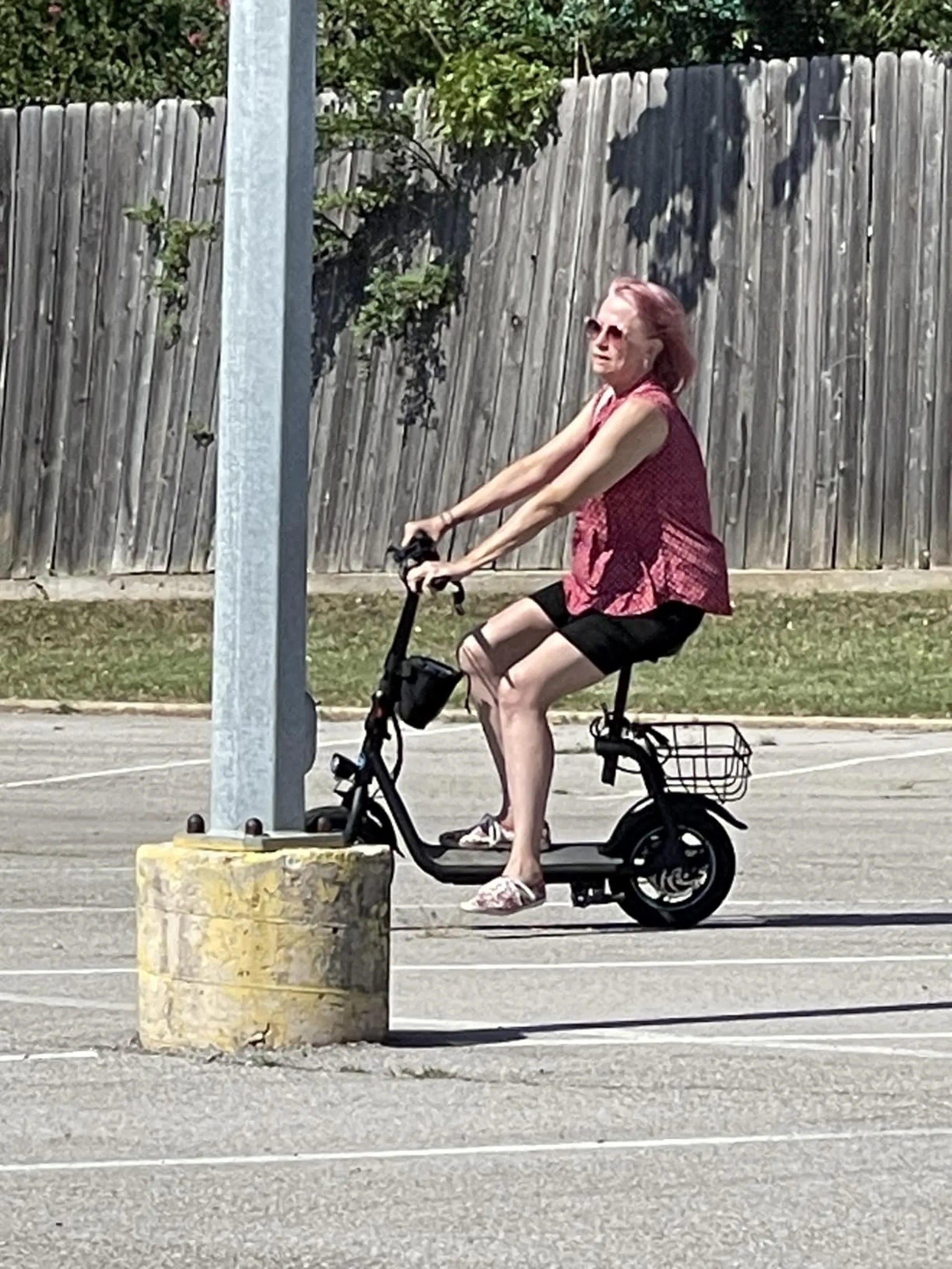
Electric scooters have become a popular mode of transportation, but what happens if yours gets caught in the rain or splashed by a puddle? Water and electronics don’t mix well, and your scooter is no exception. Understanding the risks and knowing how to react can save you from costly repairs or even a complete replacement. Let’s dive into the dangers of water exposure and how to keep your scooter safe.
The Immediate Effects of Water on Your Electric Scooter
When water comes into contact with your electric scooter, it can cause immediate and long-term damage. The severity depends on the amount of water exposure and the scooter’s design. Here’s what could happen:
- Electrical Short Circuits: Water can disrupt the flow of electricity, leading to short circuits that may fry the scooter’s control board or battery.
- Corrosion: Over time, moisture can corrode metal components, including connectors and wiring, leading to performance issues or failure.
- Motor Damage: If water seeps into the motor, it can cause rust or mechanical failure, reducing efficiency and lifespan.
- Battery Issues: Lithium-ion batteries are particularly vulnerable to water damage, which can lead to swelling, leakage, or even fire hazards.
What to Do If Your Scooter Gets Wet
If your electric scooter gets wet, acting quickly can minimize damage. Follow these steps:
- Turn It Off Immediately: Power down the scooter to prevent electrical shorts.
- Dry the Exterior: Use a soft cloth to wipe away visible moisture, paying attention to seams and vents.
- Remove the Battery (If Possible): Disconnect the battery to isolate it from other components.
- Let It Dry: Place the scooter in a dry, well-ventilated area for at least 24-48 hours before attempting to use it again.
- Check for Functionality: After drying, test the scooter in a safe environment to ensure it operates correctly.
Preventing Water Damage in the Future
Prevention is always better than repair. Here’s how to protect your electric scooter from water damage:
- Avoid Riding in Wet Conditions: If rain is forecasted, consider alternative transportation.
- Use Waterproof Covers: Invest in a high-quality cover to shield your scooter from rain or splashes.
- Check the IP Rating: Before purchasing a scooter, review its Ingress Protection (IP) rating to understand its water resistance capabilities.
- Regular Maintenance: Inspect seals, gaskets, and connectors periodically to ensure they remain watertight.
Long-Term Consequences of Water Exposure
Even if your scooter seems fine after getting wet, hidden damage can manifest over time. Corrosion may slowly degrade internal components, and residual moisture can lead to mold or mildew growth. Regular inspections and prompt repairs are essential to prolong your scooter’s life.
Water damage doesn’t have to spell the end for your electric scooter. By taking swift action and adopting preventive measures, you can keep your ride smooth and safe for years to come. Don’t let a little rain ruin your commute—stay informed and prepared!
Speed 500 Electric Scooter: The Ultimate Guide to High-Performance Urban Mobility
How to Make Your Self Balancing Scooter Faster: Top Tips and Tricks