



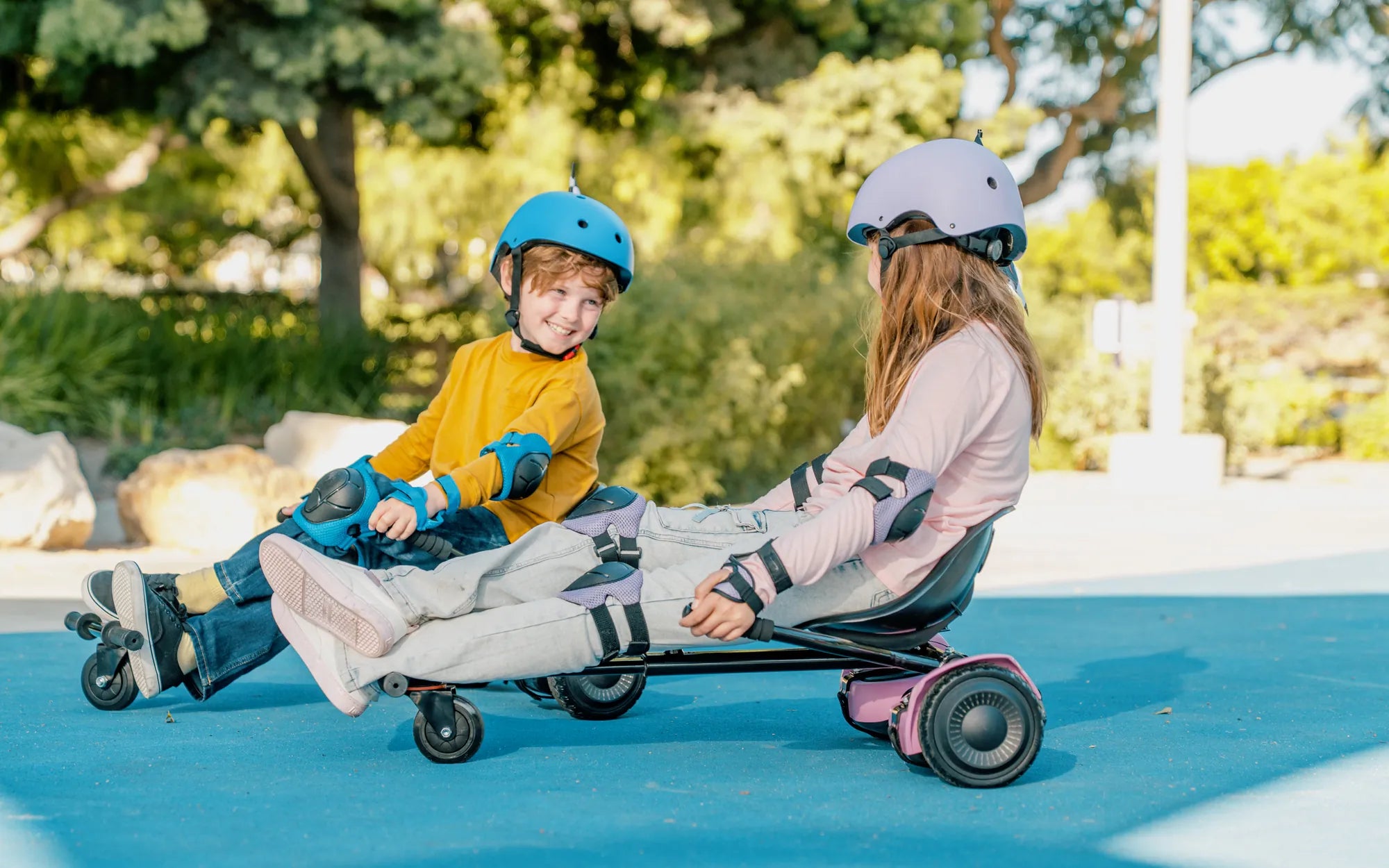
Hoverboards are a fun and convenient way to get around, but they don’t mix well with water. Whether it’s a sudden rainstorm, an accidental splash, or a spill, exposing your hoverboard to moisture can lead to serious problems. If you’ve ever wondered, "What happens if your hoverboard gets wet?"—this article covers everything you need to know, from the immediate risks to long-term damage and how to prevent it.
Why Water and Hoverboards Don’t Mix
Hoverboards rely on sensitive electronic components, including batteries, motors, and circuit boards. These parts are not designed to withstand water exposure, and even small amounts of moisture can cause malfunctions or permanent damage. Here’s what happens when water gets inside:
- Short Circuits: Water can create unintended electrical pathways, causing short circuits that fry the internal circuitry.
- Battery Damage: Lithium-ion batteries are highly sensitive to water. Exposure can lead to swelling, overheating, or even fires.
- Motor Failure: Water can corrode motor components, reducing efficiency or causing complete failure.
- Software Glitches: Moisture can interfere with the hoverboard’s sensors and control systems, leading to erratic behavior.
Immediate Steps to Take If Your Hoverboard Gets Wet
If your hoverboard gets wet, acting quickly can minimize damage. Follow these steps:
- Turn It Off Immediately: Power down the hoverboard to prevent electrical shorts.
- Disconnect the Battery: If possible, remove the battery to reduce the risk of overheating.
- Dry the Exterior: Use a soft cloth to wipe away any visible moisture.
- Air Dry: Place the hoverboard in a dry, well-ventilated area for at least 48 hours. Avoid using heat sources like hair dryers, as they can damage components.
- Check for Damage: Before turning it back on, inspect for signs of corrosion or water residue.
Long-Term Effects of Water Exposure
Even if your hoverboard seems to work after drying, water damage can have lingering effects:
- Corrosion: Over time, moisture can corrode metal contacts and wiring, leading to intermittent failures.
- Reduced Battery Life: Water-damaged batteries may lose capacity or become unstable.
- Unpredictable Behavior: Sensors and gyroscopes may malfunction, making the hoverboard unsafe to ride.
How to Protect Your Hoverboard from Water Damage
Prevention is the best way to avoid water-related issues. Here are some tips:
- Avoid Wet Surfaces: Don’t ride through puddles, wet grass, or rainy conditions.
- Use Protective Covers: Some hoverboard accessories include water-resistant covers for light protection.
- Store Properly: Keep your hoverboard in a dry place away from humidity.
- Check for Water Resistance: If you frequently ride outdoors, consider models with better water resistance ratings.
When to Seek Professional Help
If your hoverboard shows signs of severe water damage—such as smoke, strange odors, or failure to power on—stop using it immediately and consult a professional. Attempting DIY repairs on water-damaged electronics can be dangerous.
Water and hoverboards are a bad combination, but with the right precautions, you can keep your device safe. If disaster strikes, quick action can save your hoverboard from permanent damage. Stay dry, ride smart, and enjoy your hoverboard for years to come!
Off Road Hoverboard Ireland: The Ultimate Guide to Rugged Terrain Riding
What to Do If Your Hoverboard Isn't Charging: Troubleshooting Guide