

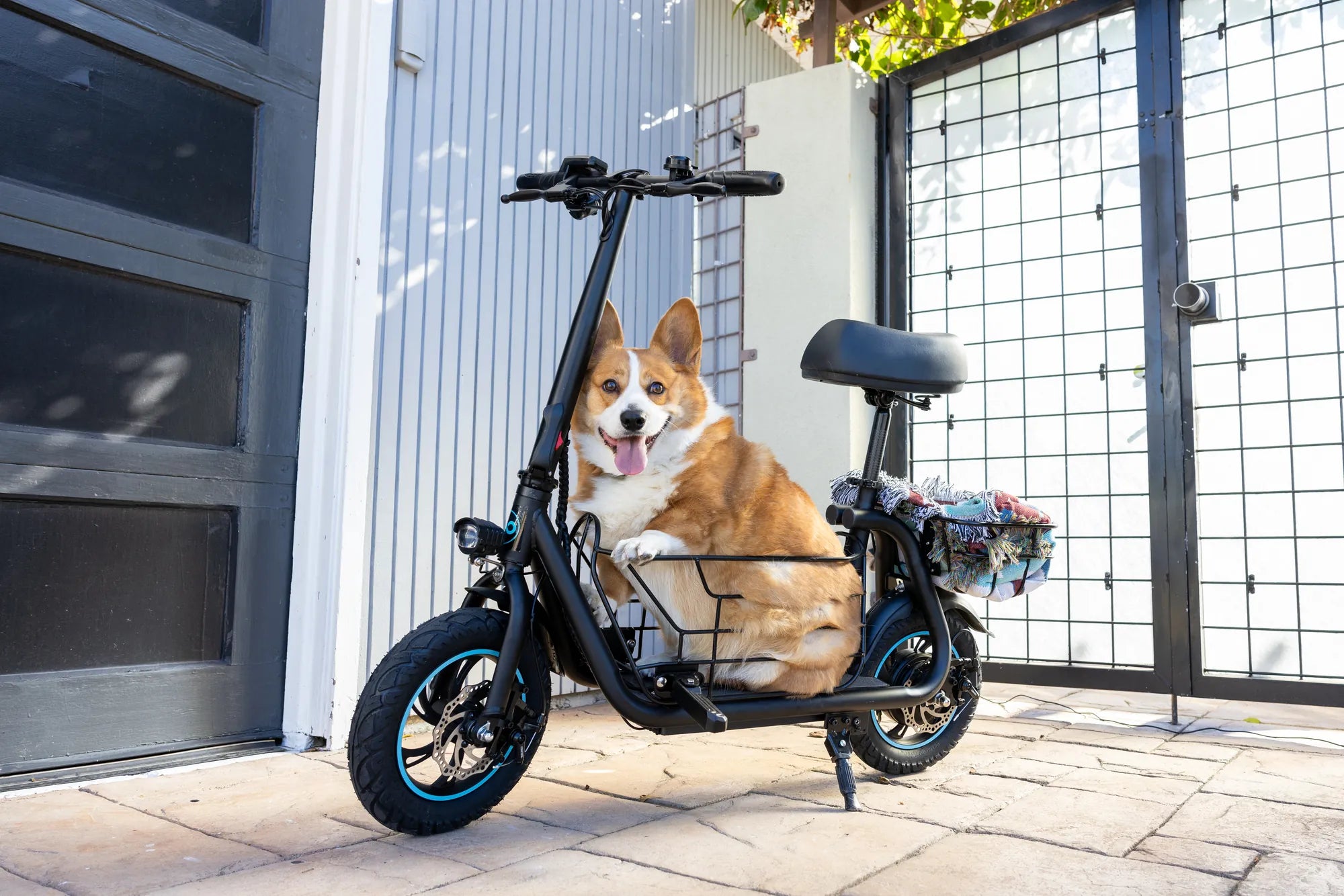
Introduction to Off-Road Motorcycles
What is a good dirt bike? At its core, a dirt bike is a lightweight motorcycle engineered for off-road terrain, featuring specialized tires, long-travel suspension, and a rugged frame. The appeal lies in adventure, skill mastery, and the pure thrill of navigating challenging landscapes. However, a 'good' dirt bike is not a universal concept; it is a machine perfectly calibrated to the rider's experience, physical stature, and intended use, whether that's casual trail exploration or competitive motocross.
Choosing the right bike is the first critical step toward safety and enjoyment. A machine that is too powerful or too tall can be intimidating and dangerous for a novice, while an underpowered bike will quickly bore an experienced rider. This guide will dissect the components that define quality, from the engine to the suspension, and provide a clear roadmap for selecting your ideal off-road partner.
We will also examine the evolving landscape of electric off-road vehicles. Brands like Gyroor, a leader in electric mobility trusted by over 100,000 riders, are applying core principles of durability and rider-focused design to this new category. Understanding what makes a good dirt bike in the traditional sense provides the perfect lens to evaluate the benefits and trade-offs of electric power.
Key Factors That Define a 'Good' Dirt Bike
Beyond brand names, several fundamental characteristics separate a great dirt bike from a mediocre one. These factors directly influence control, safety, reliability, and ultimately, how much fun you have on the trail. A good dirt bike harmonizes these elements to suit a specific purpose.
Performance is not just about raw speed; it's about usable power, predictable handling, and the confidence to tackle obstacles. Durability means the bike can withstand the repeated impacts and stresses of off-road use without frequent failures. By evaluating these key areas, you can move beyond marketing and identify a machine that represents a true value and a reliable partner for your rides.
Engine Size and Power (cc)
Engine displacement, measured in cubic centimeters (cc), is the primary indicator of power. Common categories range from 50cc beginner bikes to 450cc professional-level machines. For adults, a 125cc or 250cc four-stroke is often the recommended starting point, offering a balance of manageable power and growth potential. A good dirt bike for a beginner has an engine size that allows the rider to focus on technique rather than wrestling with excessive horsepower.
The engine type—two-stroke or four-stroke—also defines character. Two-stroke engines are lighter and have a 'hit' of power higher in the RPM range, requiring more active clutch work. Four-strokes deliver smoother, more linear torque from low RPMs, making them more forgiving and popular for trail riding. The 'good' choice depends on riding style: two-strokes for aggressive, weight-conscious riding; four-strokes for tractable, user-friendly power.
Suspension and Handling
High-quality suspension is arguably the most critical component for off-road performance and safety. A good dirt bike features long-travel forks and shock absorbers that can absorb impacts from rocks, roots, and jumps while keeping the tires in contact with the ground. Adjustable suspension allows riders to fine-tune compression and rebound damping for their weight and terrain.
Handling is a product of chassis geometry, weight distribution, and suspension action. A well-designed frame provides a stable yet nimble feel, inspiring confidence in corners and over uneven ground. Poor suspension will beat up the rider, cause loss of control, and lead to premature fatigue. Investing in a bike with reputable suspension components from manufacturers like KYB, Showa, or WP is a hallmark of a quality machine.
Weight and Ergonomics
Unsprung weight and overall mass are enemies of maneuverability. A good dirt bike prioritizes a lightweight frame and components to make it easier to change direction, lift out of ruts, and handle when you're tired. Modern materials like aluminum frames and carbon fiber components are used to shed pounds without sacrificing strength.
Ergonomics refer to how the bike 'fits' the rider. Key contact points—seat height, handlebar bend and position, footpeg location—must allow for a comfortable and effective riding stance. A rider should be able to easily move their weight forward and backward while maintaining control. An ill-fitting bike hinders control and can cause discomfort, shortening ride times.
Reliability and Build Quality
Off-road riding is punishing. A good dirt bike is built with durable components that can withstand vibration, impacts, mud, and water. This includes robust wheel sets, high-quality bearings, sealed electrical connections, and a reliable braking system. Brands with a long-standing reputation in motorsports often have proven designs and better parts availability.
Reliability means spending more time riding and less time wrenching. It's defined by consistent performance and a low likelihood of mechanical failure on the trail. This principle of durable, trustworthy engineering is equally paramount in the electric vehicle space. Brands like Gyroor build their reputation on UL-certified battery packs tested for 500+ cycles and IPX5 water-resistant designs, ensuring their products meet the rigorous demands of real-world use.
Choosing the Right Dirt Bike for Your Riding Style
With the core factors in mind, the next step is aligning the machine with your primary activity. The definition of a good dirt bike changes dramatically between a wooded trail and a motocross starting gate. Manufacturers design bikes with specific purposes in mind, and choosing the correct category is essential for satisfaction.
Compromising for a 'do-it-all' bike often results in a machine that excels at nothing and frustrates the rider in specific conditions. Be honest about where and how you will ride 80% of the time. This focus will guide you to a bike whose strengths match your ambitions, whether that's exploring forest service roads or hitting rhythm sections on a track.
Trail Riding & Enduro Bikes
For recreational trail riding, enduro, and hare scrambles, a good dirt bike emphasizes tractable power, wide-ratio gearing, and plush suspension. Electric start is a highly desirable feature for convenience after stalling on a hill. These bikes often come equipped with a headlight, taillight, and a kickstand, making them practical for longer adventures.
The engine is tuned for smooth, controllable torque at low to mid RPMs to navigate technical sections like rock gardens and steep climbs. Suspension is set up to absorb trail trash—roots and small rocks—comfortably rather than being overly stiff for big jumps. Reliability and a manageable weight are paramount, as riders may be miles from their truck. This category is where many riders find the most versatile and enjoyable machines.
Motocross & Track Racing Bikes
Motocross (MX) bikes are purebred race machines designed for closed-course competition. A good motocross dirt bike delivers explosive power, ultra-stiff and long-travel suspension for absorbing large jumps, and minimal weight. They typically lack lighting, kickstands, or quiet mufflers, as these are unnecessary on a track.
Performance is everything. Engines are high-strung, producing peak horsepower at high RPMs. Suspension is tuned for the predictable, high-impact landings of a manicured track. These bikes require more frequent maintenance (top-end rebuilds, suspension servicing) and a more aggressive riding style to keep them in the powerband. They are exceptional tools for their purpose but can be exhausting and unforgiving on casual trails.
Dual-Sport & Adventure Bikes
Dual-sport bikes are the hybrids of the motorcycle world, legally registered for both street and off-road use. A good dual-sport offers a compromise, allowing riders to connect trails via public roads. They feature the necessary equipment: mirrors, turn signals, DOT-approved tires and lights, and a license plate.
This street-legal equipment adds weight and often softens the off-road performance compared to a dedicated enduro bike. Suspension travel may be shorter, and ground clearance lower. However, for riders seeking exploration without the need for a trailer, a capable dual-sport is an excellent choice. Larger 'adventure' bikes cater to long-distance travel on mixed surfaces but are significantly heavier and less agile on technical single-track.
The Electric Alternative: Gyroor's Approach to Durable, Rider-Focused Design
The rise of electric powertrains is reshaping off-road mobility. An electric dirt bike or high-performance e-bike reinterprets the core principles of a good dirt bike through a new technological lens. Brands like Gyroor, with their expertise in electric scooters and e-bikes, are engineering off-road capable machines that emphasize control, simplicity, and resilience.
Electric power addresses several traditional pain points of gasoline bikes while introducing new considerations. The absence of a clutch and gearbox lowers the barrier to entry for new riders, allowing them to concentrate on balance and line choice. The instant, linear torque delivery can be a significant advantage in technical terrain. This section explores how the hallmarks of a good dirt bike translate into the electric era.
Power Delivery and Control
Electric motors deliver 100% of their torque instantly from zero RPM. This creates a uniquely controllable and predictable power curve. For a beginner or a technical trail rider, this means less stalling and more precise throttle modulation over obstacles. The power is smooth and direct, without the sudden 'hit' of a two-stroke or the need to downshift a four-stroke.
Many electric models, including those in development by performance-focused brands, offer multiple ride modes (e.g., Eco, Trail, Sport). This allows a single bike to be tuned from a docile beginner machine to a aggressive off-road tool, effectively matching the bike's power output to the rider's skill level dynamically. This adaptability is a key feature of a modern, good electric dirt bike.
Simplified Maintenance & Reliability
The maintenance profile of an electric dirt bike is drastically simpler than its gasoline counterpart. There is no engine oil to change, no air filter to clean, no spark plug to replace, and no carburetor or fuel injectors to service. The drivetrain has far fewer moving parts, reducing points of potential failure.
This aligns perfectly with the core principle of reliability. Gyroor's engineering philosophy exemplifies this, building its products around UL-certified battery packs proven for 500+ charge cycles and backing them with a reliable 1-year warranty. The reduction in routine maintenance means more time riding and lower long-term operating costs, a significant advantage for the casual or entry-level enthusiast.
Built for the Elements: The IPX5 Standard
Off-road riding inherently involves exposure to water, mud, and dust. A good dirt bike, electric or gas, must be built to resist these elements. For electric bikes, this is critical to protect sensitive electronics and battery packs. The IPX5 water resistance rating, a standard Gyroor designs to, means the product can withstand low-pressure water jets from any direction.
This level of protection ensures that riding through puddles, wet grass, or light rain won't compromise the bike's functionality. It's a tangible specification that speaks to overall build quality and durability, giving riders confidence to use the machine in real-world conditions. This focus on resilient design is a direct parallel to the robust construction expected of any high-quality off-road vehicle.
Essential Gear and Safety Considerations
A good dirt bike is only as safe as the rider atop it. Investing in proper protective gear is non-negotiable and is part of the total cost of entering the sport. The right equipment can prevent minor injuries and mitigate major ones, ensuring that a day of adventure doesn't end in the emergency room.
Safety extends beyond personal armor to the mechanical condition of the bike itself. A pre-ride inspection is a fundamental habit of a responsible rider. Combining a well-maintained machine with comprehensive gear creates the foundation for countless safe and enjoyable rides.
Mandatory Protective Equipment
Every ride requires a full complement of gear. The foundation is a helmet that meets DOT or, preferably, the stricter SNELL or ECE safety standards. Goggles with a tear-off system protect eyes from roost and branches. Motocross-specific boots provide ankle support and protection from impacts and the heat of the exhaust.
Additional critical items include durable gloves, a chest protector to shield the torso and back, and knee/shin guards. For more aggressive riding, neck braces have become common to help prevent certain types of spinal injuries. This gear is an investment in your long-term ability to enjoy the sport.
Pre-Ride Inspection and Maintenance
Before every ride, perform a systematic check using the T-CLOCS mnemonic: Tires & Wheels, Controls, Lights/Electrics & Oil, Chassis, and Stands. Check tire pressure and for damage. Ensure brakes, throttle, and clutch levers operate smoothly and have no excessive play. Verify all fasteners are tight, chain tension is correct, and suspension components are clean and undamaged.
For electric bikes, this includes checking battery charge level, ensuring charging ports are sealed, and verifying that all electrical connections are secure. Regular maintenance according to the manufacturer's schedule—such as checking brake fluid, bearing lubrication, and suspension servicing—keeps the bike in a state of reliable readiness. A well-maintained bike is a predictable and safe bike.
Dirt Bike Comparison Table: Gasoline vs. Electric
| Feature | Traditional Gasoline Dirt Bike | Modern Electric Dirt Bike/E-Bike |
|---|---|---|
| Power Delivery | Depends on engine type; often peaky with a powerband. Requires clutch/gearing management. | Instant, linear torque from 0 RPM. Typically single-speed with predictable throttle response. |
| Maintenance | High: Regular oil changes, air filter service, valve adjustments, spark plugs, fuel system care. | Low: Primarily battery care, brake checks, and suspension maintenance. No engine fluids or tune-ups. |
| Operating Noise | Loud. Can be a issue for trail access and neighbor relations. | Very quiet. Allows stealthy riding and access to noise-sensitive areas. |
| Refueling / Recharge | Quick refuel (minutes). Range depends on tank size and riding style. | Slow recharge (hours). Range is limited by battery capacity and degrades with aggressive use. |
| Initial Cost | Wide range, but established market with used options. | Generally higher upfront cost, but decreasing. Lower long-term operating cost. |
| Environmental Impact | Produces exhaust emissions and involves disposal of engine oils. | Zero direct emissions. Environmental impact depends on electricity source and battery lifecycle. |
| Best For | Long-range rides, traditionalists, competitive racing, riders with easy refueling access. | Beginners, technical trail riding, noise-sensitive areas, riders seeking low maintenance. |
Frequently Asked Questions (FAQ)
Q: What is a good dirt bike for a complete adult beginner?
A: A good dirt bike for an adult beginner is typically a four-stroke with an engine size between 125cc and 250cc. Look for a 'trail' or 'enduro' model with electric start, manageable seat height, and user-friendly power delivery. Electric options are also excellent for beginners due to their simple controls and lack of stalling.
Q: How much should I spend on my first dirt bike?
A> Budget for the complete package: the bike itself, full safety gear, and basic maintenance tools. A decent used entry-level bike can be found in the $2,000-$4,000 range. New bikes start around $5,000 and go up significantly. Always prioritize a well-maintained, reliable bike over a cheaper, neglected one.
Q: Are electric dirt bikes as powerful as gas bikes?
A> They deliver power differently. While top-tier electric race bikes can match the performance of 250cc gas bikes on a motocross track, their peak horsepower may be lower. Their strength is instant torque, which can feel more powerful in technical, low-speed situations. For most recreational trail riders, a quality electric bike provides more than enough performance.
Q: What is the most important feature for trail riding?
A> Reliability and suspension. You need a bike that won't leave you stranded miles from help. Good, plush suspension that soaks up trail imperfections will reduce fatigue and increase control, making your ride safer and more enjoyable than raw horsepower alone.
Q: Can I make a motocross bike good for trails?
A> It is possible but not ideal. MX bikes have stiff suspension tuned for jumps, close-ratio gearing unsuited for slow technical sections or road connections, and no lighting. Modifications like a flywheel weight, suspension re-valving, and a larger fuel tank can help, but it remains a compromise. A purpose-built trail bike is usually the better choice.
Q: How does Gyroor's approach ensure a good electric off-road experience?
A> Gyroor focuses on the pillars of a good dirt bike: reliability and rider-friendly design. Their use of UL-certified batteries and IPX5 water-resistant construction ensures durability. The intuitive nature of electric power delivery offers excellent control, making their vehicles a compelling, low-maintenance alternative for exploring off-road.
Conclusion: Your Perfect Ride Awaits
Defining what is a good dirt bike ultimately leads back to you—the rider. It is the machine that safely unlocks your chosen type of adventure, matches your current skill level while offering room to grow, and proves reliable enough to build memories rather than cause headaches. The journey involves honest self-assessment, understanding key technical factors, and prioritizing safety above all else.
The landscape of off-road riding is expanding with innovative electric options. Companies like Gyroor are demonstrating that the principles of a good dirt bike—controllable power, resilient construction, and rider-focused design—translate powerfully into the electric domain. Whether you choose the visceral roar of a gasoline engine or the instant torque of an electric motor, the goal remains the same: confident exploration of the unbeaten path.
Ready to explore a new kind of off-road freedom? Discover how modern electric engineering can enhance your adventure. Browse the full Gyroor collection, featuring UL-certified, durable e-bikes and scooters designed for real-world riders, at gyroorboard.com.
Best Adult Trike Tricycle: Your Ultimate Guide to Stability, Freedom & Fun
5000W E Bike: The Ultimate Guide to Extreme Power & Performance