

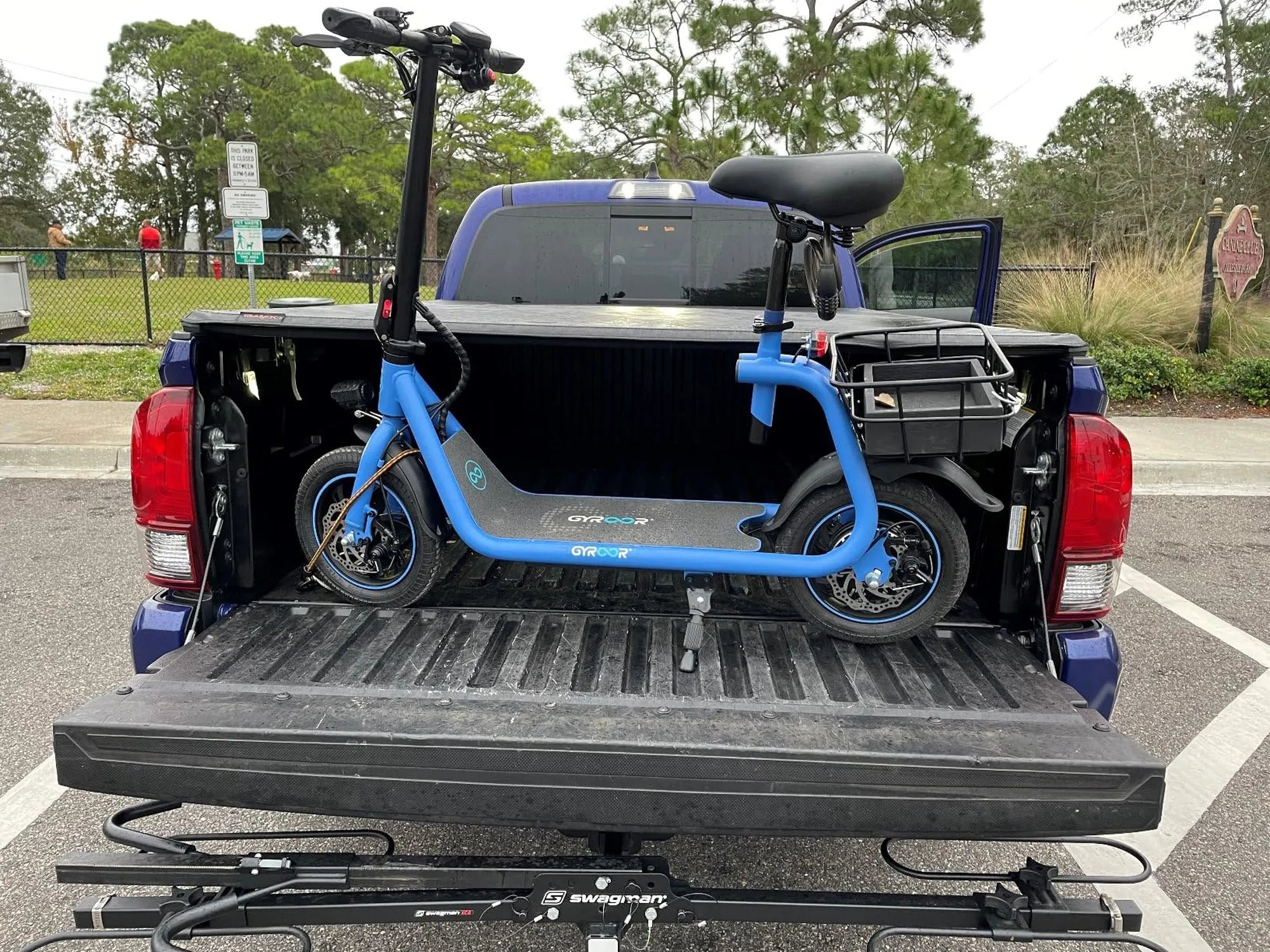
Introduction: Why the Adult Trike is Making a Comeback
Stability, utility, and pure fun are driving a remarkable resurgence in three-wheeled cycling. The best adult trike tricycle is no longer just a niche product; it's a versatile mobility solution empowering a new generation of riders. Whether seeking a car-free commute, a stable platform for errands, or a confident return to cycling, adults are discovering that three wheels offer a freedom two wheels cannot.
This guide is your roadmap to navigating this exciting category. We'll dissect the critical features, from frame design to motor specifications, that separate a quality trike from a disappointing one. Our goal is to equip you with the knowledge to make an informed purchase that delivers years of reliable service.
As a leader in electric mobility, Gyroor brings its expertise in UL-certified batteries, robust engineering, and rider-focused design to the trike conversation. With a community of over 100,000 riders, we understand what makes a trike not just functional, but transformative.
Key Factors to Consider Before Buying Your Adult Trike
Choosing the best adult trike tricycle requires looking beyond price tags. It's about matching engineering to your lifestyle. The right trike feels like an extension of yourself, while the wrong one gathers dust. Start by honestly assessing your primary goals, physical considerations, and riding environment.
Key decision points include the fundamental trike geometry, the type of drive system, and the specific use cases you envision. Ignoring these factors can lead to a mismatch, where a trike perfect for paved paths struggles on hilly commutes, or a cargo-focused model feels cumbersome for leisurely rides. Let's break down these core considerations.
Trike Type: Delta vs. Tadpole Design
The first major fork in the road is choosing between a delta or tadpole configuration. A delta trike features one wheel in the front and two in the rear. This design offers a lower center of gravity at the rear, making it exceptionally easy to mount and dismount, which is a significant advantage for riders with mobility concerns.
Delta trikes often have a more upright seating position and can accommodate larger rear cargo baskets or bags. Their steering is typically handled by the single front wheel, which can feel familiar to bicycle riders. However, at higher speeds or in sharp turns, the delta design can feel less planted than its counterpart.
A tadpole trike positions two wheels at the front and one at the rear. This configuration provides superior stability, especially during cornering, as the wide front axle resists tipping. The rider sits lower to the ground, often in a semi-recumbent position, which offers aerodynamic and comfort benefits for long distances.
The trade-off is a slightly higher learning curve for steering, which is handled via handlebars connected to the two front wheels (direct or linkage steering). Tadpole trikes excel in performance-oriented riding and offer a thrilling, go-kart-like feel. Your choice here fundamentally shapes the riding experience.
Drive System: Electric-Powered vs. Traditional Pedal
The decision between electric-assist and traditional pedal power is pivotal. A traditional pedal trike provides excellent exercise and simplicity. With no battery or motor, maintenance is straightforward, and the cost of entry is generally lower. It's a pure, human-powered machine.
An electric trike, or e-trike, incorporates a battery and motor to provide pedal-assist (and often throttle-only) power. This system is a game-changer. It flattens hills, extends range, reduces fatigue, and makes cycling accessible to those who might find a purely pedal-powered trike daunting. The electric boost empowers riders to carry heavier cargo or commute longer distances without arriving sweaty.
For many seeking the best adult trike tricycle for everyday utility, the electric model is the clear choice. It expands what's possible with a trike, turning a recreational vehicle into a legitimate car replacement for many local trips. The key is selecting an e-trike with a reliable, safe powertrain—a point where brand reputation matters immensely.
Intended Use & Terrain: Commuting, Recreation, or Cargo?
Articulating your primary use case narrows the field dramatically. Are you navigating city streets, running errands, and needing to lock up your trike? A commuter-focused model needs integrated lights, fenders, a robust lock point, and cargo capacity for a briefcase or groceries. Maneuverability in traffic is also crucial.
For recreation and fitness on paved trails or park paths, comfort takes precedence. Look for a plush, adjustable seat, potential suspension, and gearing suited for sustained pedaling. A lighter frame can be beneficial if you need to transport the trike. The motor assist should be smooth and natural, enhancing your ride rather than dominating it.
The cargo hauler has different demands. This trike needs a strong, low-mounted rack or integrated basket, a frame rated for heavier loads, and powerful brakes to handle the extra weight. An electric motor with high torque is almost essential for moving heavy loads up inclines. Durability and load capacity are the top specs here.
Spotlight on Electric Trikes: Features That Define the Best
Electric trikes represent the cutting edge of the category, blending stability with effortless power. However, not all e-trikes are created equal. The difference between a satisfying long-term investment and a frustrating gadget often lies in the quality of a few key components. Understanding these features is non-negotiable when searching for the best adult trike tricycle with electric assist.
High-quality e-trikes prioritize safety, durability, and real-world performance over headline-grabbing but unrealistic maximum range figures. They use proven motor technology, certified battery packs, and offer meaningful warranty coverage. Let's examine the subsystems that matter most.
The Heart of the Ride: Motor, Battery & Range
The motor is the muscle. Most e-trikes use a rear-hub motor, which integrates cleanly and provides direct drive to the single rear wheel. Motor power, measured in watts (W), indicates potential. A 500W motor is capable for flat terrain and moderate loads, while a 750W or higher motor provides confident hill-climbing and better performance under heavy cargo.
The battery is the heart and the most critical safety component. Specs are given in voltage (V) and amp-hours (Ah), with their product (V*Ah) yielding watt-hours (Wh), a truer measure of capacity. More Wh generally means more range. However, the battery's construction is paramount. UL-certified lithium-ion battery packs, like those used by Gyroor, have undergone rigorous testing for short-circuit, overcharge, and thermal stability.
Real-world range is affected by weight, terrain, assist level, and temperature. A trike advertised for 40 miles might achieve 25-30 under typical use. Trust brands that provide realistic estimates and use high-quality, certified cells. A battery with 500+ rated charge cycles will last for years of regular use, protecting your investment.
Built to Last: Frame, Brakes & Warranty
The frame is the skeleton. Aluminum alloy frames offer an excellent strength-to-weight ratio, resisting rust and keeping the trike manageable. Heavy-duty steel frames are incredibly durable for cargo models but add significant weight. Look for clean welding and a finish that resists chips and corrosion.
Brakes are your most important safety feature. Disc brakes, especially hydraulic discs, offer superior stopping power and consistency in all weather conditions compared to rim brakes. For a heavy, potentially fast e-trike, reliable brakes are non-negotiable. A parking brake is also a valuable feature for stability on inclines.
A warranty is a promise. It reflects the manufacturer's confidence in their product. A comprehensive 1-year warranty covering the frame, motor, battery, and electronics provides essential peace of mind. The presence of accessible, knowledgeable customer support, like Gyroor's US-based team, turns a warranty document into a real safety net.
Comfort & Convenience: From Seat to Storage
Comfort is what makes a trike a joy to ride. An ergonomic, padded seat with adjustable angle and fore/aft position is essential. A step-through frame design eliminates the need to swing a leg high, aiding accessibility. Suspension, whether in the front fork or the seat post, smooths out road vibrations, reducing fatigue on longer journeys.
Convenience features transform the trike from a toy into a tool. Integrated storage—a rear rack, locking trunk, or front basket—is crucial for utility. An IPX5 water-resistant rating protects the electrical components from rain and splashes, making the trike viable for daily commuting. Other nice-to-haves include a clear display, USB charging ports, and built-in lighting systems.
Making the Smart Choice: A Practical Comparison Guide
With the foundational knowledge in place, let's apply it. Instead of listing specific models, we'll create profiles for ideal trikes based on common rider scenarios. This approach helps you match features to your life. Use the following table as a scannable reference for these key scenarios.
| Feature | Urban Commuter | Leisure Explorer | Accessibility-First Rider |
|---|---|---|---|
| Primary Use | Daily transport, errands | Paved trails, park rides | Stable, low-effort mobility |
| Key Trike Type | Delta or Compact Tadpole | Tadpole or Comfort Delta | Low-Step Delta |
| Motor Power | 500W-750W (for stop-and-go) | 350W-500W (smooth assist) | 500W+ (consistent torque) |
| Must-Have Features | IPX5 rating, cargo rack, lights, lock | Padded seat, suspension, range 30mi+ | Low step-over, intuitive controls, parking brake |
| Brake System | Disc Brakes (essential) | Reliable Disc or Caliper | Easy-pull Lever Disc Brakes |
Scenario 1: The Urban Commuter & Errand-Runner
This rider replaces short car trips. Their trike must be practical, durable, and weather-ready. A delta design with a low rear cargo deck or a compact tadpole works well. The motor needs responsive torque from a stop. An IPX5 water-resistant rating is critical for riding in rain.
Integrated, bright LED lights (front and rear) are a must for visibility. A sturdy rear rack or basket should handle grocery bags. A secure lock mount and a relatively tight turning radius aid in navigating city obstacles. Reliability is paramount, as this trike is a daily workhorse.
Scenario 2: The Leisure Explorer & Fitness Seeker
For this rider, the trike is about enjoyment and gentle exercise on scenic paths. Comfort is king. A tadpole trike offers a fun, engaging ride, while a comfort-oriented delta with a reclined seat is also excellent. Suspension absorbs bumps from imperfect pavement.
The motor should provide seamless pedal assist, allowing the rider to set their own exertion level. A battery with enough range for long, meandering trips (35+ miles realistic) prevents range anxiety. The focus is on a smooth, quiet, and enjoyable riding experience that encourages longer outings.
Scenario 3: The Accessibility-First Rider
This priority is stability, ease of use, and confidence. A delta trike with an ultra-low step-through frame is typically the best fit. The controls should be simple, with a clear display and easy-to-reach brake levers. A powerful motor reduces the physical demand to near zero when needed.
Features like a parking brake, adjustable seat with back support, and wide, stable tires are crucial. The trike should feel secure at low speeds and when stationary. The goal is to provide independent mobility without strain, making the best adult trike tricycle an empowering tool for freedom.
Adult Trike FAQs: Your Questions, Answered
Q: Are adult trikes difficult to steer or store?
A: Steering feels different than a bicycle but is quickly mastered. Delta trikes steer like a bike. Tadpoles have a different feel but offer incredible stability. Storage requires more space than a bike; measure your garage or shed. Some models have folding frames, but most are rigid.
Q: How important is water resistance (IPX5 rating) for everyday use?
A> For any trike used as regular transportation, it's very important. An IPX5 rating means the electrical components can withstand water jets from any direction, protecting against rain, puddles, and cleaning. It's a key indicator of durable, all-weather construction.
Q: What maintenance does an electric trike require?
A> Regular maintenance includes checking tire pressure, ensuring brakes are adjusted, and keeping the chain lubricated (if equipped). For the electric system, keep the battery charged between 20-80% for longevity, store it in a cool, dry place, and periodically check connections for corrosion. Annual professional check-ups are recommended.
Q: Is an adult trike safe for beginners?
A> Absolutely. The three-wheel design eliminates the fear of falling over while stopped or riding slowly, which is the biggest hurdle for many new cyclists. Start in a safe, open area to get accustomed to the steering and braking. Always wear a helmet and use lights.
Q: Can I ride an electric trike if the battery dies?
A> Yes, most e-trikes function as standard pedal trikes when the battery is depleted. However, they are heavier than non-electric models, so pedaling will be more strenuous, especially on hills. It's always best to manage your battery level to avoid this situation.
Conclusion: Finding Your Perfect Ride
The journey to the best adult trike tricycle starts with understanding your own needs and ends with the unmatched freedom of stable, empowered riding. By focusing on core design principles, prioritizing safety-certified components like UL batteries, and matching features to your lifestyle, you make an investment in years of reliable service.
Whether your goal is a car-free commute, joyful exploration, or regained mobility, the right trike is a key to a more active, independent life. It represents a practical choice that doesn't sacrifice fun. In a market filled with options, choosing a brand that stands behind its products with robust engineering and strong warranty support is the final, critical step.
You now have the knowledge to evaluate any model confidently. The open road—or bike path—awaits. Ready to explore trikes designed with the rider in mind? Browse the full Gyroor collection at gyroorboard.com to see how our commitment to quality, safety, and performance translates into your next great adventure.
Ebike Battery Size: The Complete Guide to Voltage, Capacity & Range
What is a Good Dirt Bike? A Complete Guide to Off-Road Performance