



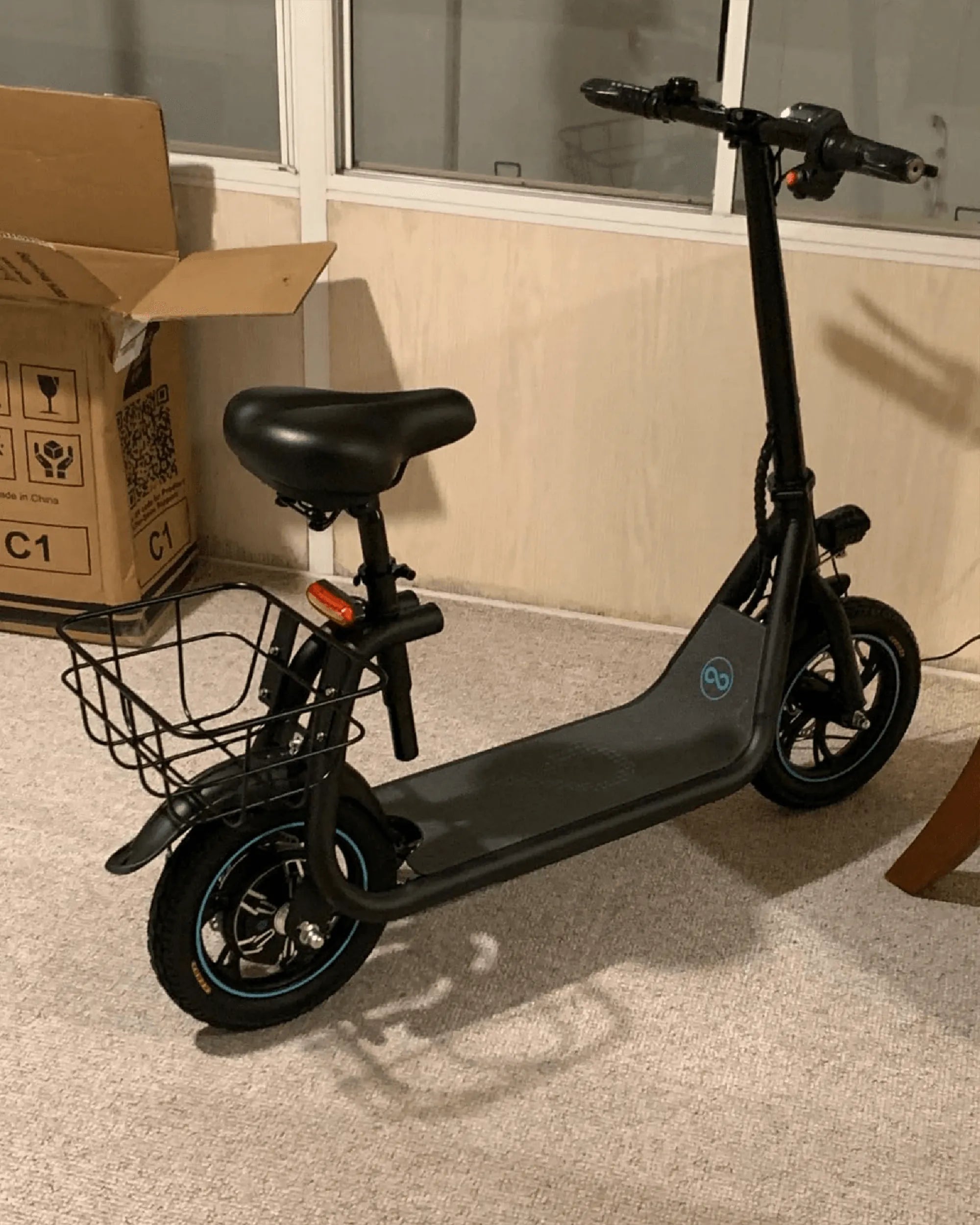
Electric scooters have taken cities by storm, offering a convenient and eco-friendly way to navigate urban landscapes. But what exactly are they classified as? Are they bicycles, motor vehicles, or something entirely different? Understanding the classification of electric scooters is crucial for riders, lawmakers, and urban planners alike. Let’s dive into the details to uncover where these versatile machines fit in the world of transportation.
Legal Classifications of Electric Scooters
Electric scooters fall into a gray area in many legal systems, often requiring specific definitions to regulate their use. Here’s how they are commonly classified:
Personal Light Electric Vehicles (PLEVs)
Many jurisdictions classify electric scooters as Personal Light Electric Vehicles (PLEVs). This category includes low-speed, lightweight electric vehicles designed for short-distance travel. PLEVs typically have speed limits ranging from 15 to 25 mph (24 to 40 km/h) and are restricted to certain areas like bike lanes or low-traffic roads.
Motor Vehicles
In some regions, electric scooters are treated as motor vehicles, especially if they exceed certain speed or power thresholds. This classification may require registration, insurance, and even a driver’s license, depending on local laws.
Bicycles or Pedal-Assist Vehicles
Where electric scooters have pedal-assist features or low power outputs, they might be classified similarly to bicycles. This often grants them access to bike lanes and exempts them from stricter motor vehicle regulations.
Functional Classifications of Electric Scooters
Beyond legal definitions, electric scooters can also be categorized by their design and intended use:
Commuter Scooters
Designed for daily urban travel, commuter scooters prioritize portability, battery life, and ease of use. They are ideal for short trips and often fold for easy storage.
Off-Road Scooters
Built for rugged terrain, off-road electric scooters feature larger wheels, robust suspension, and higher power outputs. These are less common in urban settings but popular for recreational use.
Performance Scooters
High-speed electric scooters designed for enthusiasts fall into this category. They often exceed standard speed limits and may require specialized handling skills.
Why Classification Matters
The way electric scooters are classified impacts everything from where they can be ridden to whether riders need licenses or insurance. Misclassification can lead to fines, accidents, or even bans in certain areas. For cities integrating e-scooters into their transportation networks, clear definitions help ensure safety and efficiency.
As electric scooters continue to evolve, so too will their classifications. Whether you’re a rider, policymaker, or simply curious, understanding these categories is key to navigating the future of urban mobility. The next time you hop on an e-scooter, you’ll know exactly what you’re riding—and where it fits in the bigger picture.
Long Lasting Battery Electric Scooter: The Future of Urban Commuting
Best Electric Scooter Brakes: A Guide to Safety and Performance