

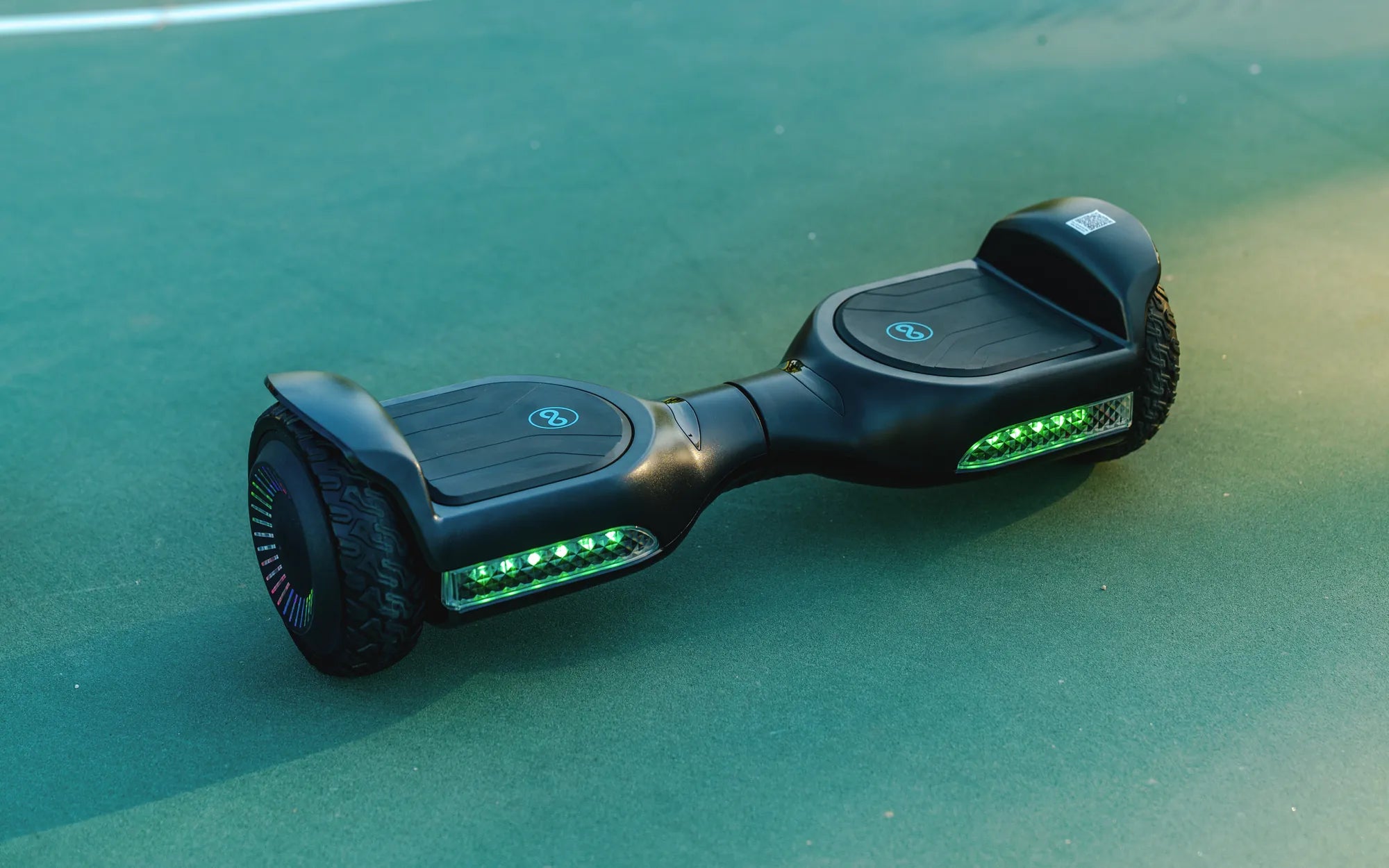
When it comes to personal electric transportation, the debate between electric scooters and hoverboards is hotter than ever. Both offer unique advantages, but which one is the right choice for you? Whether you're commuting, running errands, or just having fun, understanding the differences can make all the difference. Let's dive into the details to help you pick the perfect ride.
Speed and Performance
Electric scooters generally outperform hoverboards in terms of speed. Most electric scooters can reach speeds of 15-20 mph, while hoverboards typically max out at around 10-12 mph. If you're looking for a faster commute, an electric scooter might be the better option. However, hoverboards offer a more compact and agile ride, making them ideal for tight spaces.
Portability and Convenience
Hoverboards are smaller and lighter than electric scooters, making them easier to carry and store. They often weigh between 20-30 pounds, while electric scooters can range from 25-50 pounds. If you need to take your ride on public transportation or store it in a small apartment, a hoverboard might be more practical. Electric scooters, on the other hand, often come with folding mechanisms, but their bulkier size can still be a drawback.
Safety Features
Safety is a critical factor when choosing between an electric scooter and a hoverboard. Electric scooters usually come with hand brakes, larger wheels, and better stability, making them safer for beginners. Hoverboards require more balance and skill, and their smaller wheels can make them less stable on uneven terrain. Always check for safety certifications and features like LED lights and non-slip footpads.
Battery Life and Range
Electric scooters typically offer a longer range than hoverboards, with many models providing 15-30 miles on a single charge. Hoverboards usually offer 10-15 miles, depending on the model and usage. If you have a longer commute, an electric scooter might be the better choice. Both devices take a few hours to charge, so plan accordingly.
Terrain and Riding Conditions
Electric scooters handle rough terrain better than hoverboards, thanks to their larger wheels and sturdy frames. They're more suitable for outdoor use, including sidewalks and bike lanes. Hoverboards are best for smooth, flat surfaces and can struggle with bumps or cracks. Consider where you'll be riding most often before making your decision.
Cost and Value
Hoverboards are generally cheaper than electric scooters, with prices ranging from $200-$500. Electric scooters can cost anywhere from $300-$1,000 or more, depending on the features. While hoverboards are more affordable, electric scooters often provide better value in terms of speed, range, and durability. Think about your budget and how much you're willing to invest in your ride.
Learning Curve
Hoverboards have a steeper learning curve than electric scooters. Balancing on a hoverboard takes practice, and beginners may struggle at first. Electric scooters are more intuitive, with handlebars for stability and simple controls. If you're new to personal electric transportation, an electric scooter might be the easier option to master.
Fun Factor
Both electric scooters and hoverboards are fun to ride, but they offer different experiences. Hoverboards provide a unique, futuristic feel, while electric scooters offer a more traditional ride. If you're looking for something to show off or enjoy with friends, a hoverboard might be more exciting. For a practical yet enjoyable ride, an electric scooter could be the way to go.
So, which is better: an electric scooter or a hoverboard? The answer depends on your needs, preferences, and lifestyle. Whether you prioritize speed, portability, safety, or fun, both options have something to offer. Take the time to weigh the pros and cons, and you'll find the perfect ride to match your lifestyle. Happy riding!
Hoverboard for Ten Year Old: The Ultimate Guide to Fun and Safety
Hoverboard Very Cheap: How to Find the Best Deals Without Sacrificing Safety