

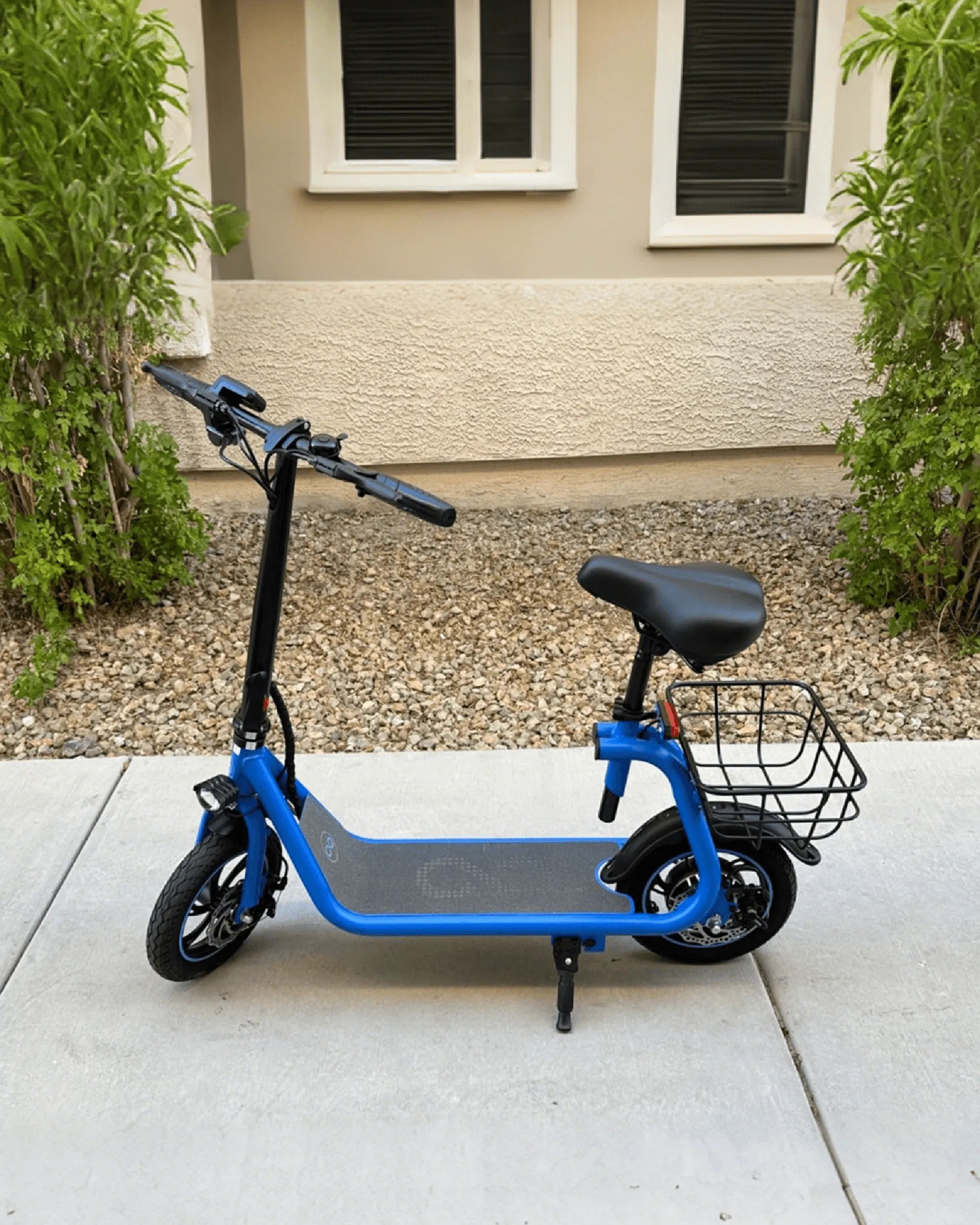
Electric bikes have surged in popularity as a sustainable and efficient mode of transportation. Whether you're commuting to work, exploring trails, or simply enjoying a leisurely ride, understanding the average price of an electric bike can help you make a smart investment. Let's dive into the key factors that determine pricing and what you can expect when shopping for one.
Factors Affecting the Average Price of an Electric Bike
The cost of an electric bike varies widely based on several factors. Here are the most significant elements that influence pricing:
1. Motor Power and Performance
The motor is the heart of an electric bike, and its power directly impacts the price. Higher-wattage motors provide better acceleration and hill-climbing ability but come at a premium. Entry-level models typically feature 250W motors, while high-performance bikes can exceed 750W.
2. Battery Capacity and Range
Battery capacity, measured in watt-hours (Wh), determines how far you can ride on a single charge. A larger battery extends your range but also increases the cost. Budget-friendly e-bikes may offer 300Wh batteries, while premium models can go up to 700Wh or more.
3. Frame Material and Design
Lightweight materials like aluminum and carbon fiber improve performance but raise the price. Steel frames are more affordable but heavier. Additionally, specialized designs, such as folding or cargo e-bikes, often command higher prices due to their unique features.
4. Components and Accessories
Quality brakes, gears, and suspension systems contribute to a smoother ride but add to the cost. Accessories like integrated lights, racks, and fenders also influence the final price.
Average Price Ranges for Electric Bikes
Electric bikes can be categorized into three main price tiers:
1. Budget-Friendly (Under $1,000)
These entry-level e-bikes are ideal for casual riders or short commutes. They often feature basic motors, smaller batteries, and simpler components. While they may lack advanced features, they provide an affordable introduction to electric biking.
2. Mid-Range ($1,000 - $3,000)
Mid-range e-bikes strike a balance between performance and affordability. They typically include more powerful motors, larger batteries, and better-quality components. This tier is popular among daily commuters and recreational riders.
3. Premium ($3,000 and Above)
High-end electric bikes offer top-tier performance, durability, and advanced features. These models often include cutting-edge technology, premium materials, and extended warranties. They're designed for serious cyclists and those seeking the best riding experience.
How to Get the Best Value for Your Budget
Finding the right electric bike involves more than just comparing prices. Consider these tips to maximize value:
- Test Ride Before Buying: A comfortable fit and smooth ride are crucial.
- Check Warranty and Support: Reliable customer service can save you money in the long run.
- Look for Upgradability: Some e-bikes allow you to upgrade components later.
- Compare Features: Focus on the features that matter most to your riding style.
Is an Electric Bike Worth the Investment?
While the upfront cost of an electric bike may seem high, the long-term savings on fuel, parking, and maintenance can make it a worthwhile purchase. Additionally, e-bikes offer health benefits and reduce your carbon footprint, making them a smart choice for both your wallet and the environment.
Ready to find the perfect electric bike for your needs? With a clear understanding of the average price and key features, you're well-equipped to make an informed decision. Whether you're looking for affordability or top-tier performance, there's an e-bike out there that fits your lifestyle and budget.
Easy Mountain Biking Trails: A Beginner's Guide to Scenic and Stress-Free Rides
Can I Drive an Electric Bike Without a License in the USA? Here's What You Need to Know