



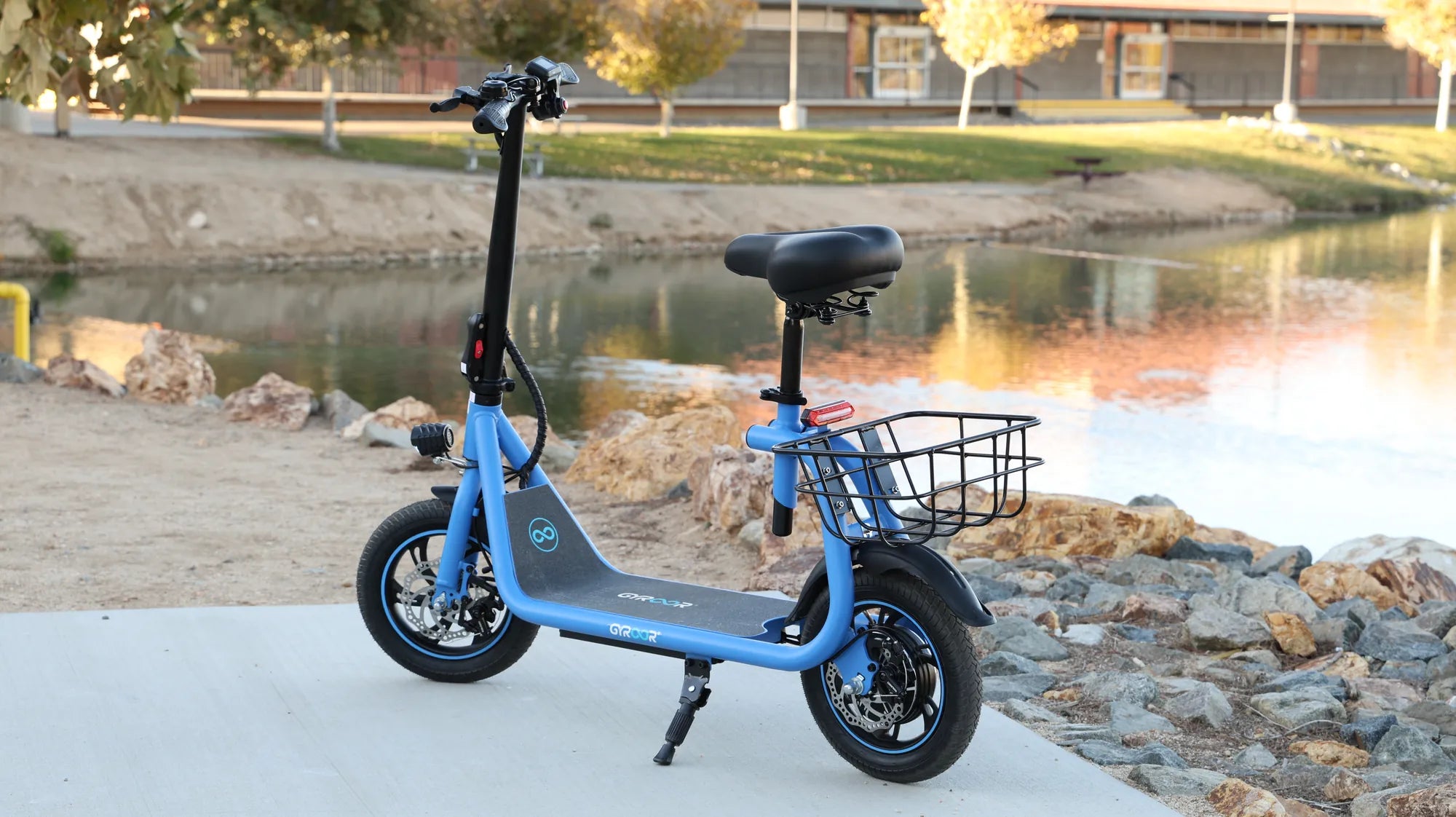
Electric bikes have surged in popularity as an eco-friendly and efficient mode of transportation. But before you hit the road, it's essential to know the legal wattage limits to avoid fines or restrictions. Let's dive into the details to ensure your e-bike is both powerful and compliant.
Understanding Electric Bike Classifications
Electric bikes are typically categorized into three classes based on their motor power and speed capabilities. These classifications help determine where and how you can ride your e-bike legally.
- Class 1: Pedal-assist only, with no throttle, and a maximum speed of 20 mph.
- Class 2: Throttle-assisted, with a maximum speed of 20 mph.
- Class 3: Pedal-assist only, with a maximum speed of 28 mph.
Each class has specific wattage limits, which vary by region. Knowing your e-bike's class is the first step in ensuring compliance.
Legal Wattage Limits by Region
The legal wattage for an electric bike depends on where you live. Here's a breakdown of the most common regulations:
United States
In the U.S., federal law defines an electric bike as having a motor with a maximum output of 750 watts (1 horsepower). However, individual states may have additional restrictions or classifications.
European Union
The EU limits e-bike motors to 250 watts, with a maximum assisted speed of 25 km/h (15.5 mph). Anything exceeding these limits may require registration, insurance, or a license.
Canada
Canada allows e-bikes with motors up to 500 watts and a maximum speed of 32 km/h (20 mph). Provinces may have additional rules, so always check local regulations.
Why Wattage Matters
Exceeding legal wattage limits can lead to your e-bike being classified as a motor vehicle, subjecting it to stricter regulations. This could mean needing a license, registration, or insurance. Staying within the legal wattage ensures you enjoy the benefits of an e-bike without the hassle.
How to Check Your E-Bike's Wattage
Most manufacturers list the motor's wattage in the product specifications. If you're unsure, consult your e-bike's manual or contact the manufacturer. Remember, using an overpowered motor could void warranties or lead to legal issues.
Tips for Staying Compliant
- Always verify your e-bike's wattage before purchasing.
- Check local laws, as regulations can change.
- Avoid aftermarket modifications that increase power beyond legal limits.
Riding an e-bike is a fantastic way to commute, exercise, or explore. By understanding the legal wattage for your electric bike, you can ride confidently and responsibly. Don't let technicalities slow you down—stay informed and enjoy the ride!
Best Electric Scooter France 2025: Top Picks and Future Trends
Mobility Scooter 200kg: The Ultimate Guide to Heavy-Duty Mobility Solutions