



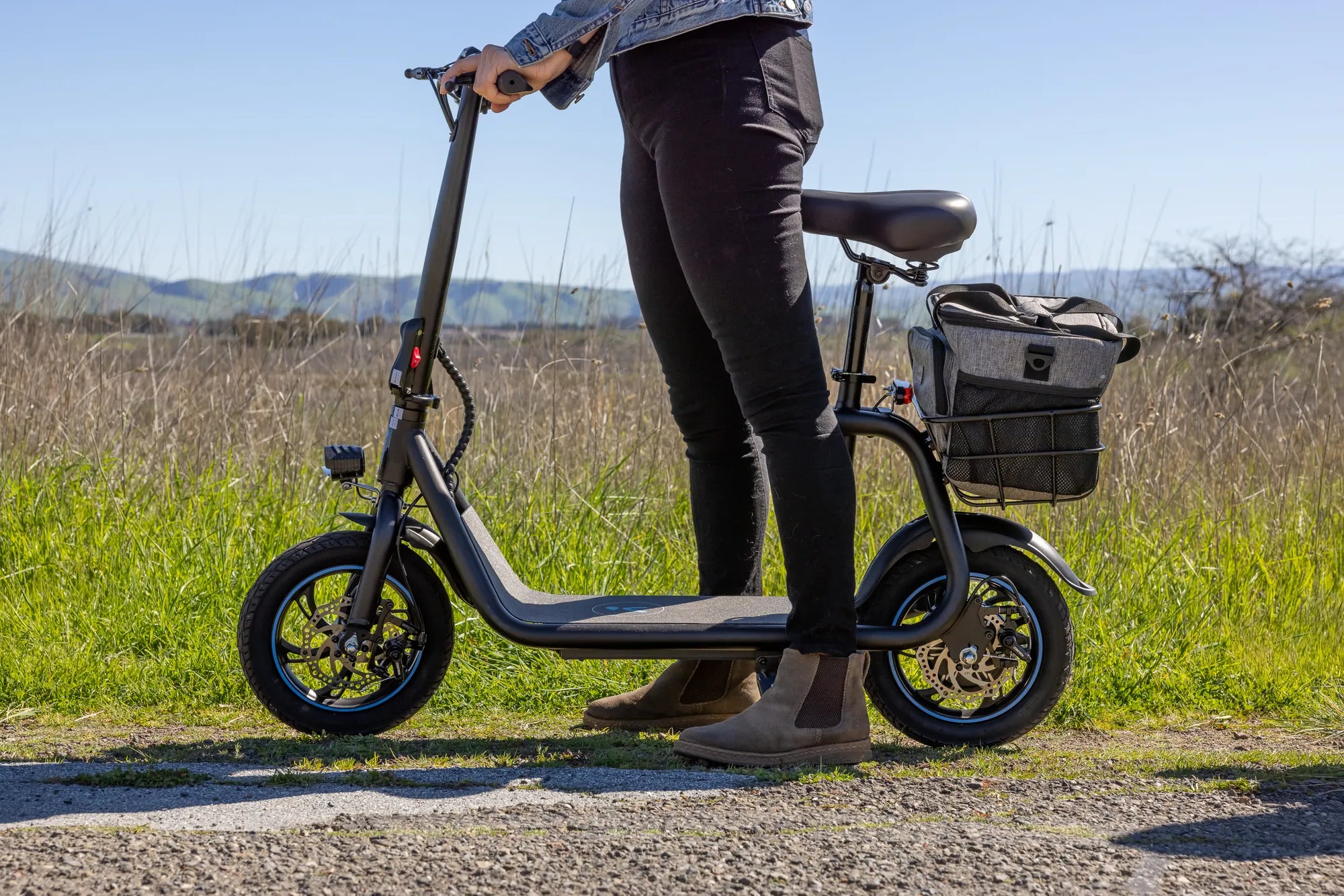
Electric scooters are revolutionizing urban mobility, offering a cost-effective and eco-friendly alternative to traditional transportation. But while the upfront price is often a major selling point, many riders overlook the long-term maintenance costs. Understanding these expenses is crucial for making an informed purchase decision and ensuring your scooter stays in top condition for years to come.
Battery Maintenance and Replacement
The battery is the heart of an electric scooter, and its upkeep is one of the most significant long-term costs. Most modern scooters use lithium-ion batteries, which typically last between 2 to 5 years, depending on usage and care. To maximize battery life, avoid extreme temperatures and deep discharges. A full replacement can cost anywhere from $150 to $600, depending on capacity and brand.
Tire Wear and Replacement
Tires are another critical component that requires regular attention. Solid tires are low-maintenance but offer a rougher ride, while pneumatic (air-filled) tires provide better comfort but need periodic inflation and are prone to punctures. Expect to replace tires every 1,000 to 3,000 miles, with costs ranging from $20 to $100 per tire, including labor if you don’t DIY.
Brake System Upkeep
Electric scooters usually come with either disc brakes or drum brakes, both of which require occasional maintenance. Brake pads wear out over time and may need replacement every 500 to 1,500 miles, costing $10 to $50 per set. Hydraulic brake systems might also require fluid changes, adding to the expense.
Electrical Components and Wiring
Faulty wiring or damaged connectors can lead to performance issues. While these problems are less frequent, repairs can be costly if not covered under warranty. Regular inspections can help catch issues early, saving you from expensive fixes down the line.
Annual Maintenance Costs
On average, electric scooter owners spend between $100 to $300 annually on maintenance, depending on usage and model. This includes routine checks, minor repairs, and part replacements. High-end models may have higher servicing costs due to specialized components.
DIY vs. Professional Servicing
Many maintenance tasks, like tire changes or brake adjustments, can be done at home with basic tools, saving you money. However, complex issues, such as motor or controller problems, are best handled by professionals to avoid further damage.
Warranty and Insurance Considerations
Always check the manufacturer’s warranty, as it may cover certain repairs for a limited time. Some insurers also offer coverage for electric scooters, which can offset unexpected maintenance costs.
Owning an electric scooter is undeniably cheaper than a car, but maintenance costs can add up if ignored. By budgeting for these expenses and staying proactive with upkeep, you can enjoy a smooth, hassle-free ride for years. Ready to hit the road? Your wallet will thank you for planning ahead!
Cheap Electric Scooters for Boys: Affordable Fun and Adventure
Best Design Light Gray Electric Kick Scooters: The Ultimate Urban Commuter Choice