

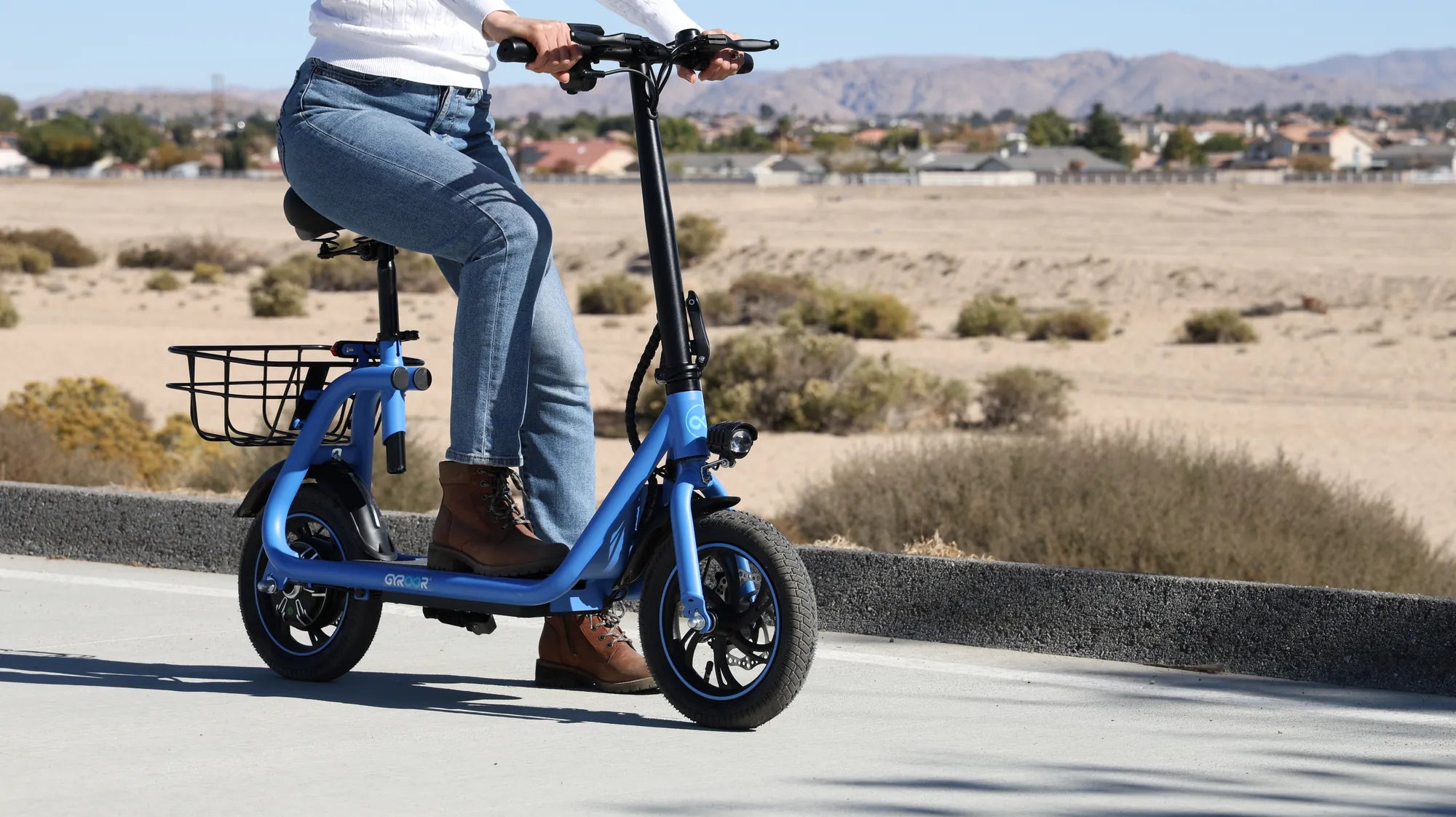
Ever wondered why some electric scooters zip past others effortlessly? Speed is a major selling point for riders, but what exactly makes an electric scooter go faster? Whether you're a commuter or an adrenaline junkie, understanding the mechanics behind speed can help you choose or upgrade your ride for maximum performance.
Motor Power and Performance
The motor is the heart of any electric scooter, and its power directly impacts speed. Higher wattage motors deliver more torque, allowing the scooter to accelerate faster and maintain higher speeds. For instance, a 500W motor is suitable for casual riding, while a 1000W or higher motor can significantly boost speed. The type of motor also matters—brushless motors are more efficient and require less maintenance, making them ideal for high-speed performance.
Battery Voltage and Capacity
A scooter's speed is heavily influenced by its battery. Higher voltage batteries provide more power to the motor, enabling faster acceleration and top speeds. A 48V battery, for example, will generally outperform a 36V battery. Additionally, battery capacity (measured in ampere-hours, or Ah) determines how long the scooter can sustain high speeds. A larger capacity ensures consistent performance over longer distances.
Weight and Aerodynamics
Less weight means less strain on the motor, allowing the scooter to reach higher speeds more easily. Lighter frames and components can make a noticeable difference. Aerodynamics also play a role—scooters with streamlined designs reduce wind resistance, enabling smoother and faster rides. Riders can further optimize speed by minimizing cargo and adopting a crouched riding position.
Tire Type and Pressure
Tires are often overlooked but are critical for speed. Solid tires reduce rolling resistance, while pneumatic (air-filled) tires offer better grip and shock absorption. Proper tire pressure is equally important; underinflated tires create drag, slowing the scooter down. Regularly checking and maintaining optimal tire pressure can help maintain peak performance.
Controller and Software Settings
The controller acts as the brain of the electric scooter, regulating power flow from the battery to the motor. Upgrading to a high-performance controller can unlock higher speeds. Some scooters also allow software tweaks, such as adjusting speed limits or acceleration curves, to enhance performance. However, modifying these settings should be done cautiously to avoid damaging components.
Terrain and Riding Conditions
Speed isn't just about the scooter—it's also about where you ride. Smooth, flat surfaces like pavement allow for faster speeds compared to rough or uphill terrain. Wind resistance and weather conditions can also affect performance. Riding on a calm day with minimal obstacles will help you achieve the highest possible speeds.
Maintenance and Upkeep
A well-maintained scooter is a fast scooter. Regularly cleaning and lubricating moving parts, such as the chain or bearings, reduces friction and improves efficiency. Checking brake alignment ensures they don't drag unnecessarily, while keeping the battery charged and in good condition preserves power output. Neglecting maintenance can lead to gradual speed loss over time.
Ready to unleash your electric scooter's full potential? By focusing on motor power, battery efficiency, weight reduction, and proper maintenance, you can push your ride to its limits. Whether you're chasing thrills or just want a quicker commute, these tips will help you go faster—and smarter.
Will Soon Have More Electric Scooter: The Future of Urban Mobility
Will Soon Have More Electric Scooter: The Future of Urban Mobility