

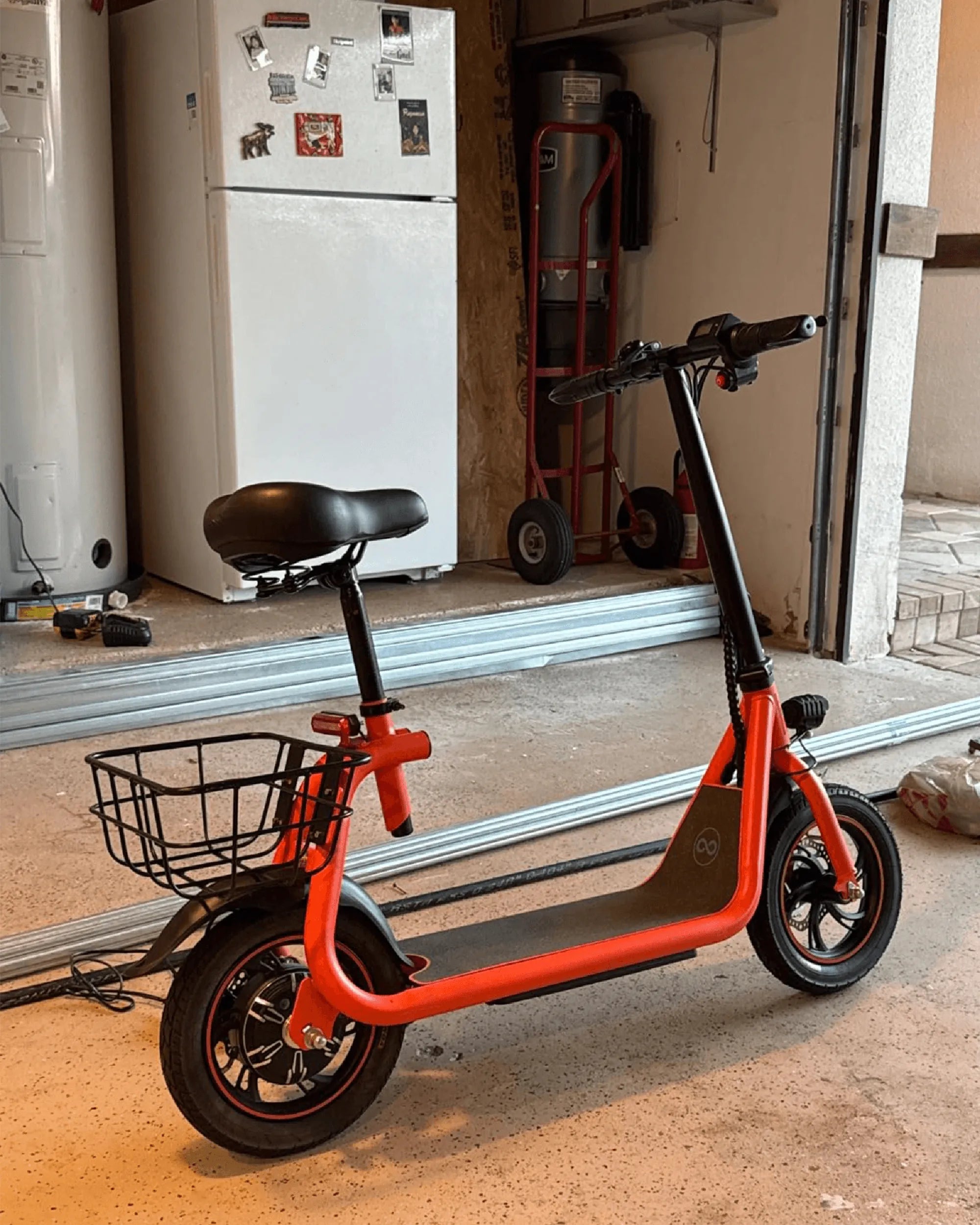
Choosing the wrong size pro scooter can hinder your progress, compromise your safety, and make riding feel like a chore rather than a passion. The question 'what size pro scooter do i need' is the first and most crucial step for any rider, from beginners to seasoned enthusiasts. This guide will provide you with a complete, data-driven framework to select the ideal deck length, bar height, and wheel diameter based on your body measurements, age, and riding discipline. You'll learn how each component impacts your control, the science behind popular setups, and how to fine-tune your scooter for maximum performance and confidence.
Understanding Pro Scooter Sizing: Why Getting It Right Matters
Pro scooter sizing isn't about picking 'small, medium, or large.' It's a precise calibration of three core components—deck, bars, and wheels—to match your unique physiology and riding goals. An ill-fitting scooter forces poor posture, reduces leverage for tricks, and increases the risk of injury from awkward landings. Conversely, a properly sized scooter becomes an extension of your body, enhancing stability, improving trick consistency, and boosting overall riding enjoyment. Getting the size right from the start accelerates skill development and builds a solid foundation for advanced maneuvers.
The consequences of incorrect sizing are tangible. A deck that's too long makes the scooter feel sluggish and hard to maneuver for technical street tricks. Bars that are too low force you to hunch over, straining your back and limiting your ability to pull the scooter into the air. This guide eliminates the guesswork by translating rider attributes into specific component dimensions. We'll move beyond generic advice to deliver actionable recommendations you can use to make an informed purchase or upgrade.
Decoding the Key Components: Deck, Bars, and Wheels
Every pro scooter's feel and performance are defined by the interplay of its deck, handlebars, and wheels. Understanding the role of each is essential before matching them to a rider. These components are modular, allowing for extensive customization, but your starting point should align with proven sizing principles. We will analyze each element in isolation before synthesizing them into complete rider profiles.
Deck Length: The Foundation of Your Stance
The deck is your platform. Its length directly influences stability and maneuverability. Measured from the front of the headtube to the back, deck length is typically between 19 and 22 inches. A longer deck (21-22") provides a more stable base for landing, offering greater foot space and confidence on big park jumps and ramps. However, it sacrifices some of the quick, flickable response needed for technical street riding.
A shorter deck (19-20.5") is significantly more responsive. It allows for faster spin rotations (whips, barspins) and easier manual control, making it the preferred choice for street-focused riders who prioritize agility over pure stability. The width of the deck also matters; wider decks (over 5 inches) offer more foot room for larger riders or those who prefer a solid platform, while narrower decks feel lighter and can be easier to catch with your feet during complex tricks.
Bar Height: Your Connection Point for Control
Handlebar height is measured from the top of the clamp to the end of the grips. It is arguably the most personal sizing factor, dictating your riding posture and leverage. Bars that are too low force a bent-over stance, compressing your chest and limiting your ability to pull the scooter upward for jumps and tailwhips. This can lead to back pain and reduced control.
The standard method for determining ideal bar height is to stand the scooter upright next to you. The grips should sit between your hip bone and your waistline. For most teen and adult riders, this translates to bar heights between 24 and 30 inches. Taller riders or those who focus on park riding often prefer bars on the higher end of this range for more leverage and a more upright, comfortable posture. Younger riders need proportionally lower bars to maintain control and avoid over-leveraging the scooter.
Wheel Size: Balancing Speed and Agility
Wheel diameter, measured in millimeters (mm), affects roll speed, acceleration, and vibration absorption. The most common sizes for pro scooters are 110mm, 120mm, and 125mm. Larger wheels (120-125mm) provide higher top speed and smoother roll over cracks and rough concrete, making them excellent for park riding where maintaining momentum through transitions is key. They do, however, add slight rotational weight.
Smaller wheels (110-115mm) accelerate faster and feel 'lighter' when initiating spins. They are the staple of street riding, where quick, explosive movements and technical trick combinations are prioritized over pure speed. The choice often comes down to discipline: park riders favor 120mm+ for flow, while street riders dominate on 110-120mm setups. All modern pro scooters use high-rebound urethane cores designed for impact absorption and grip.
Matching Scooter Size to Rider Profile and Riding Style
Now, we combine component knowledge with real-world rider data. The following tables and guidelines provide a clear starting point based on age, height, and primary riding style. Remember these are recommendations; personal preference always plays a final role.
| Rider Profile | Recommended Deck Length | Recommended Bar Height | Recommended Wheel Size | Primary Use Case |
|---|---|---|---|---|
| Young Beginner (5-9 yrs, 3'6"-4'6") | 17" - 19" | 18" - 22" | 100mm - 110mm | Learning basics, light park/street |
| Older Child/Beginner (10-12 yrs, 4'6"-5'2") | 19" - 20" | 22" - 24" | 110mm | Skill development, all-around |
| Teen/Adult Street (13+ yrs, 5'2"-6'2") | 20" - 21" | 26" - 30" | 110mm - 120mm | Technical tricks, ledges, street parks |
| Teen/Adult Park (13+ yrs, 5'2"-6'2") | 21" - 22" | 28" - 30"+ | 120mm - 125mm | Ramps, bowls, big air, flow riding |
For Younger Riders and Beginners (Ages 5-12)
For this group, manageability and safety are paramount. A scooter that is too large is intimidating and difficult to control. We recommend compact setups with shorter decks (17"-20") and lower bar heights. This ensures the rider can comfortably reach the bars and place their feet securely on the deck without overstretching. Lighter overall weight is also crucial for building confidence and allowing the rider to maneuver and lift the scooter.
Wheels in the 100-110mm range are ideal, offering a balance of stability and manageable speed. The focus should be on durable, entry-level components that can withstand learning bumps. A properly sized beginner scooter encourages progression by making fundamental skills like balancing, kicking, and basic turns feel natural and achievable, laying the groundwork for future discipline specialization.
For Teen and Adult Riders (Ages 13+)
This is the core demographic for pro scootering, encompassing a wide range of heights and styles. Here, sizing diverges sharply based on riding discipline rather than just height. A 5'8" street rider and a 5'8" park rider will likely have very different setups. Full-size components are the standard, with the key variables being the specific dimensions chosen to optimize for either technical flickability or stable flow.
Rider height within this group primarily informs bar height selection. A rider under 5'5" may find bars around 26"-28" most comfortable, while a rider over 6'0" will likely prefer 29"-31" bars. Deck length and wheel size then become functions of the chosen discipline. This is where understanding the 'style split' is essential for answering what size pro scooter do i need with precision.
The Style Split: Park vs. Street Setups
The park versus street dichotomy defines modern pro scootering. A park setup is engineered for momentum, airtime, and predictable landings. It typically features a longer deck (21"-22") for stable foot placement on ramps, higher bars (28"+) for leverage during pump transitions and in-air control, and larger wheels (120mm+) for maintaining speed through bowls and over coping. The goal is a smooth, flowing ride.
A street setup is a tool for technical precision. It prioritizes a short, responsive deck (20"-21") for quick spin initiation and catchability. Bar height can be slightly lower or similar to park, but the deck-bar relationship feels twitchier. Smaller wheels (110-120mm) provide the rapid acceleration needed for ledge tricks, stair gaps, and quick direction changes. The overall package is designed to be flickable, durable for impacts, and highly maneuverable in tight urban spaces.
The Gyroor Advantage: Engineered for Performance and Safety
When selecting your pro scooter size, the underlying quality and engineering of the components are non-negotiable. A correctly sized but poorly built scooter will fail under the stresses of riding. This is where Gyroor's design philosophy directly supports your sizing choices. As a leading electric scooter and e-bike brand trusted by over 100,000 riders, Gyroor applies the same rigorous standards of durability, safety, and performance to its product development.
Every Gyroor pro scooter is constructed around a reinforced, aircraft-grade aluminum frame and fork, ensuring that the deck length and bar height you choose translate to a reliable, flex-free platform. For electric models, the integration of UL-certified battery packs—tested for 500+ charge cycles—is critical. A secure, well-balanced battery system maintains the scooter's intended weight distribution and handling characteristics, which is essential for trick execution and safety.
Furthermore, features like IPX5 water-resistant designs protect the scooter's core integrity from the elements, whether you're riding in a damp skatepark or after a light rain. The reliable 1-year comprehensive warranty provides peace of mind, allowing you to dial in your perfect setup knowing your investment is protected. Gyroor's commitment to standardized, high-quality components means riders can confidently select their size based on performance needs, not durability concerns.
Pro Tips: Fine-Tuning and Final Fit Check
After selecting your base size, fine-tuning personalizes the fit. Start with grip diameter and texture; thicker grips can help larger hands, while thinner grips offer more bar feel. Ensure your headset is properly tightened—no wobble, but still able to turn smoothly. Check your brake setup; a well-adjusted brake should engage firmly without rubbing the wheel.
Conduct a final fit check before your first serious session. Stand over the deck in your riding stance: can you comfortably bend your knees without the bars hitting your legs? Perform a few small bunny hops: does the scooter come up evenly? Do you feel in control of the bar height during the pull? Minor adjustments, like adding or removing headset spacers to change bar height by a few millimeters, can make a significant difference in feel. Your perfect size is the one that disappears beneath you, letting you focus on the ride, not the equipment.
Frequently Asked Questions (FAQ)
Can I adjust my scooter after buying it?
Absolutely. Pro scooters are highly modular. Handlebars are the easiest component to swap to adjust height. You can also use headset spacers to fine-tune bar height in small increments. Decks can be changed, though this is a more involved process. Consider your first complete scooter a starting point; as your skills evolve, you will naturally learn which components you might want to upgrade or resize.
What if I'm between recommended sizes?
If you are between sizes, let your riding style be the tiebreaker. If you lean towards street and technical tricks, choose the smaller option in the range for increased maneuverability. If you prefer park riding and flow, opt for the larger size for added stability. Personal comfort is also key—if possible, try a friend's scooter with similar dimensions to see how it feels.
Does weight affect scooter size choice?
Weight primarily affects component strength requirements rather than core dimensions like deck length. Heavier riders should prioritize scooters with reinforced decks, thicker handlebars, and high-quality, sealed bearings to handle the additional stress. While a wider deck may offer more stability, the fundamental sizing guidelines based on height and style still apply. Durability of components is the critical factor for heavier riders.
How often should I reassess my scooter size?
Reassess if you experience significant growth (for younger riders), if you completely change your riding discipline (e.g., from street to park), or if you feel your current setup is actively limiting your progression. For most teen and adult riders, a well-chosen setup can last for years, with only minor component upgrades (like wheels or grips) needed for refreshment.
Is wheel hardness important for sizing?
Wheel hardness (durometer) is separate from size but impacts performance. Softer wheels (e.g., 88A) offer more grip and a slightly smoother ride but may wear faster. Harder wheels (e.g., 98A) slide more easily for certain grinds and are more durable. Choose hardness based on your preferred terrain and trick style after you've selected the appropriate diameter for your size and discipline.
Conclusion: Your Perfect Fit Awaits
Determining what size pro scooter do i need is a calculated process that synthesizes your body measurements, age, and ambitious riding goals. By understanding the distinct roles of deck length, bar height, and wheel size, you can move beyond guesswork to make an informed decision that enhances your safety, accelerates your progression, and maximizes fun. Remember that these guidelines are a starting point; the ultimate test is how confident and controlled you feel on the scooter. With a properly sized, reliable platform from a brand like Gyroor—engineered with UL-certified safety, water resistance, and robust construction—you have the foundation to push your limits. Find the setup that feels like an extension of yourself, and get ready to ride. Browse the full Gyroor collection at gyroorboard.com to explore performance-built scooters designed for your next progression.
Charge E Bike: The Complete Guide to Maximizing Battery Life & Safety
Ebike Customization: The Complete Guide to Personalizing Your Electric Bike