

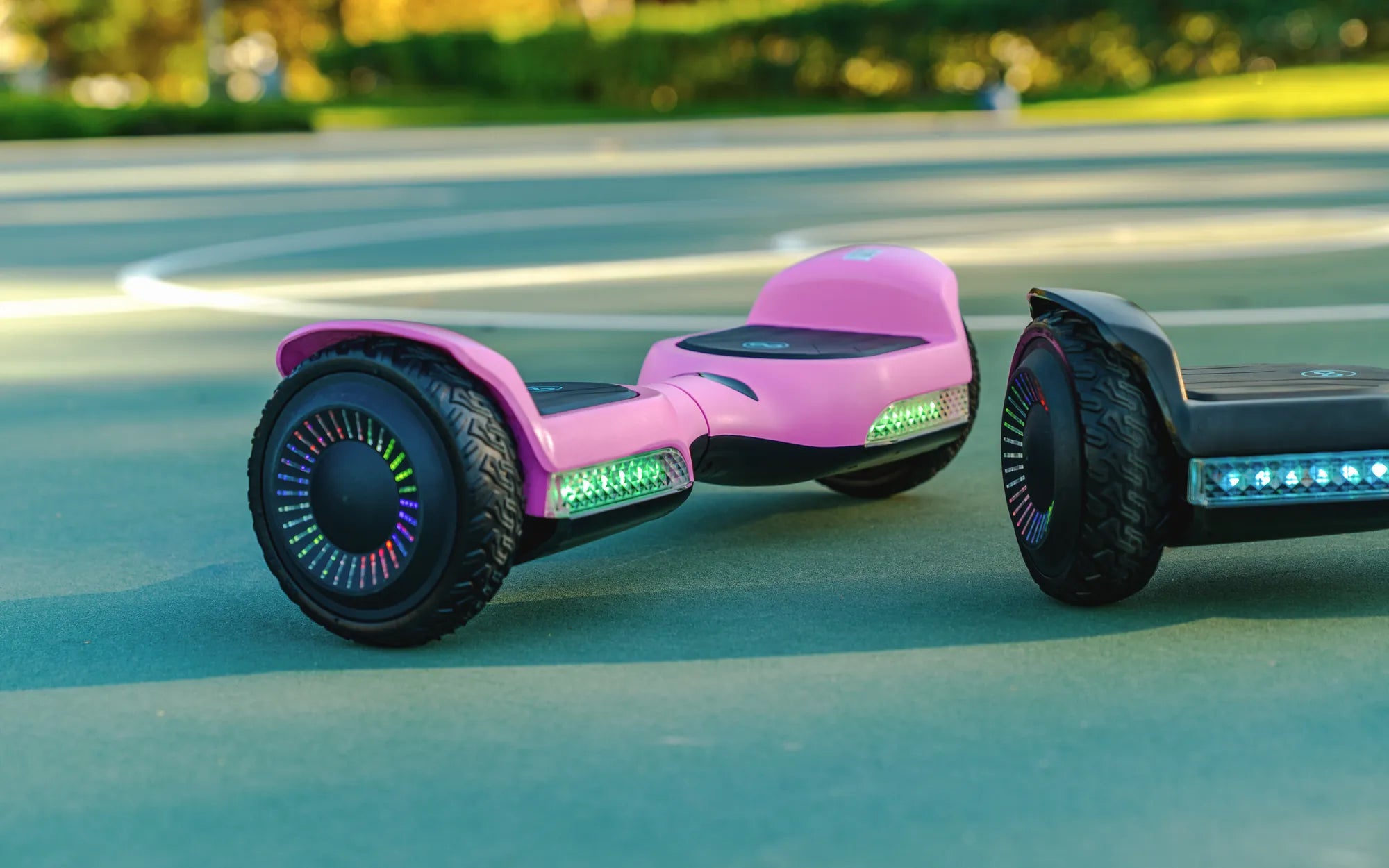
Hoverboards captured the imagination of millions, blending futuristic appeal with cutting-edge technology. But what exactly made these self-balancing scooters a global phenomenon? The answer lies in a combination of innovations that transformed a niche concept into a mainstream sensation.
The Rise of Self-Balancing Technology
At the heart of every hoverboard is self-balancing technology, which relies on gyroscopes and accelerometers to keep riders upright. These sensors detect changes in tilt and movement, sending real-time data to the board's control system. This allows the device to adjust its speed and direction automatically, making it intuitive for users to ride without extensive training.
Lithium-Ion Batteries: Powering the Revolution
Without lightweight, high-capacity lithium-ion batteries, hoverboards would never have achieved their sleek, portable design. These batteries provide the necessary energy to run the motors and electronics while keeping the device compact enough for easy carrying. Advances in battery efficiency also extended ride times, making hoverboards practical for daily use.
Brushless Motors for Smooth Performance
Brushless DC motors play a crucial role in hoverboard functionality. Unlike traditional motors, they are quieter, more efficient, and require less maintenance. These motors deliver precise control over speed and torque, ensuring a smooth and responsive riding experience. Their durability also contributed to the long-term appeal of hoverboards.
Wireless Connectivity and Smart Features
Many modern hoverboards include Bluetooth connectivity, allowing riders to pair their devices with smartphones. This integration enabled features like speed tracking, battery monitoring, and even LED light customization. Such smart capabilities added a layer of interactivity that appealed to tech-savvy consumers.
Safety Innovations and Regulatory Standards
Early hoverboards faced criticism due to safety concerns, including overheating batteries. However, improved battery management systems (BMS) and stricter manufacturing standards addressed these issues. UL certification became a key factor in consumer trust, ensuring that hoverboards met rigorous safety requirements.
The Influence of Social Media and Pop Culture
While not a technological feature, the viral spread of hoverboard videos on platforms like YouTube and Instagram played a massive role in their popularity. Celebrities and influencers showcasing their hoverboard skills created a cultural buzz that drove demand. The combination of sleek design and viral appeal made hoverboards a status symbol.
From advanced sensors to powerful batteries, the technology behind hoverboards turned a futuristic idea into reality. As these devices continue to evolve, their legacy as a groundbreaking innovation in personal transportation remains undeniable. Whether for fun or practicality, hoverboards proved that the right tech could capture the world's attention.
Pros of Hoverboards: Why They Are a Game-Changer for Personal Transportation
Pros of Hoverboards: Why They Are a Game-Changer for Personal Transportation