

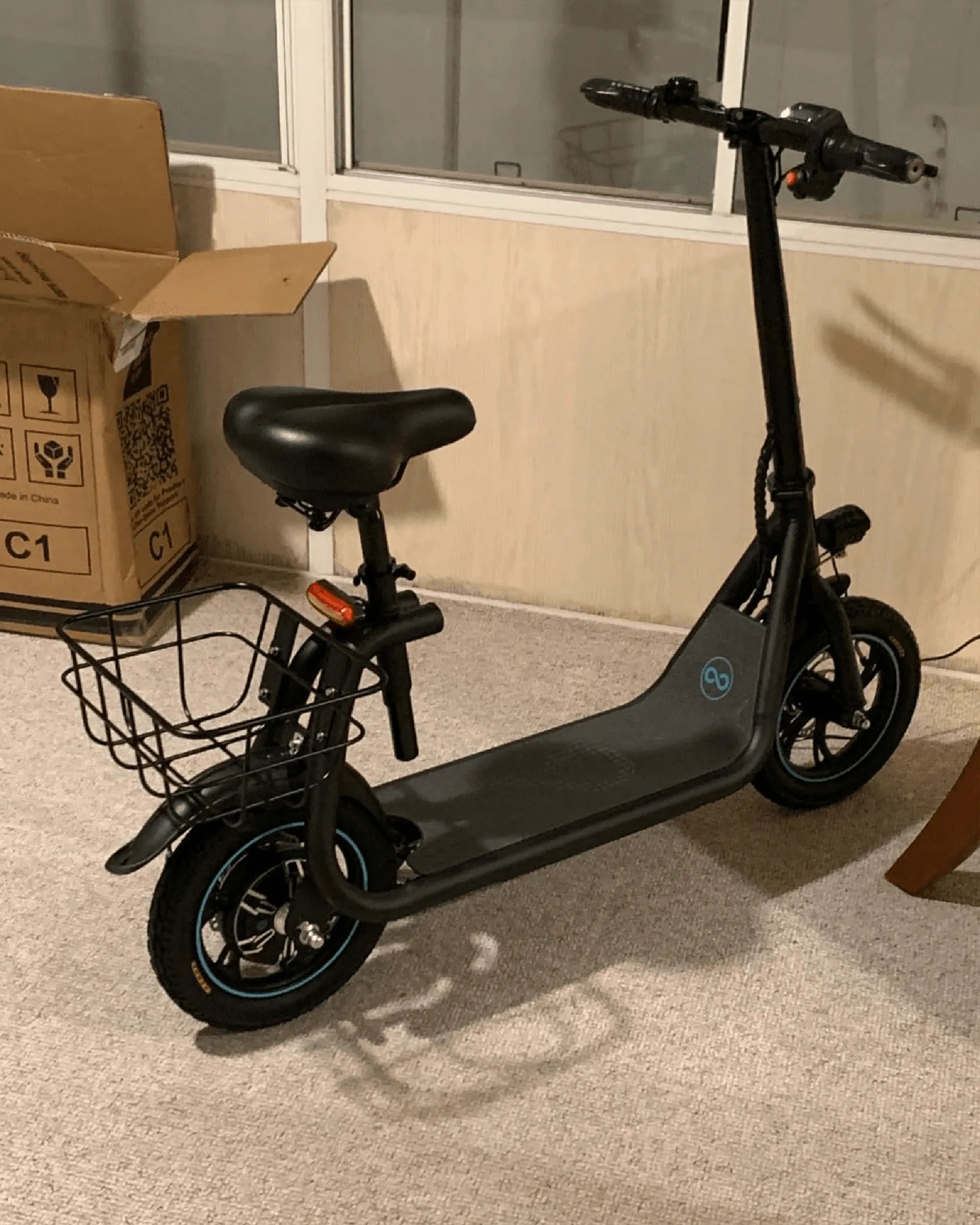
Few things are more frustrating than hopping on your electric scooter, pressing the power button, and getting no response. Whether you rely on it for daily commutes or weekend adventures, a dead scooter can throw a wrench in your plans. But before you panic or rush to a repair shop, there are several steps you can take to diagnose and potentially fix the issue yourself.
Check the Battery
The most common reason an electric scooter won't turn on is a dead or improperly connected battery. Start by ensuring the battery is charged. Plug in the charger and look for indicator lights confirming it's receiving power. If the charger doesn't light up, try a different outlet or check the charger for damage.
Inspect the Power Button
Sometimes, the problem is as simple as a faulty power button. Press it firmly and hold it for a few seconds—some models require a long press to activate. If the button feels loose or unresponsive, there may be an internal connection issue.
Examine the Wiring
Loose or damaged wiring can prevent your scooter from turning on. Carefully inspect the cables connecting the battery, motor, and control board. Look for frayed wires, loose connectors, or signs of corrosion. If you spot any issues, a professional repair may be necessary.
Test the Fuses
Many electric scooters have fuses to protect the electrical system. Locate the fuse box (usually near the battery) and check if any fuses are blown. Replace them if needed, but make sure to use the correct type and rating.
Reset the Scooter
Like any electronic device, your scooter may need a reset. Turn it off, disconnect the battery for a few minutes, then reconnect it and try turning it on again. This can resolve minor software or electrical glitches.
Look for Error Codes
Some scooters display error codes when there's an issue. Check the display (if your model has one) for any flashing lights or codes. Refer to the user manual to decode these messages and take appropriate action.
Check the Brakes and Throttle
Safety mechanisms can sometimes prevent the scooter from starting. Ensure the brakes are fully released and the throttle isn't stuck. Some models won't power on if they detect brake engagement.
Assess the Motor
While less common, motor issues can prevent startup. Listen for any unusual sounds when attempting to turn on the scooter. If the motor hums but doesn't engage, there may be a mechanical problem.
Consider Environmental Factors
Extreme temperatures can affect battery performance. If you've left your scooter in very cold or hot conditions, let it acclimate to room temperature before attempting to charge or turn it on again.
When to Seek Professional Help
If you've tried all these steps and your scooter still won't turn on, it's time to consult a professional technician. Continuing to troubleshoot complex electrical issues without proper knowledge can be dangerous.
Don't let a non-starting electric scooter ruin your day—most issues have simple solutions you can try at home. With this guide, you're equipped to diagnose common problems and get back on the road quickly. Remember, regular maintenance can prevent many of these issues from occurring in the first place!
Electric Scooter Mobility Aids: Revolutionizing Personal Transportation
Electric Scooter for Adults Free Shipping: The Ultimate Guide to Choosing the Best Ride