



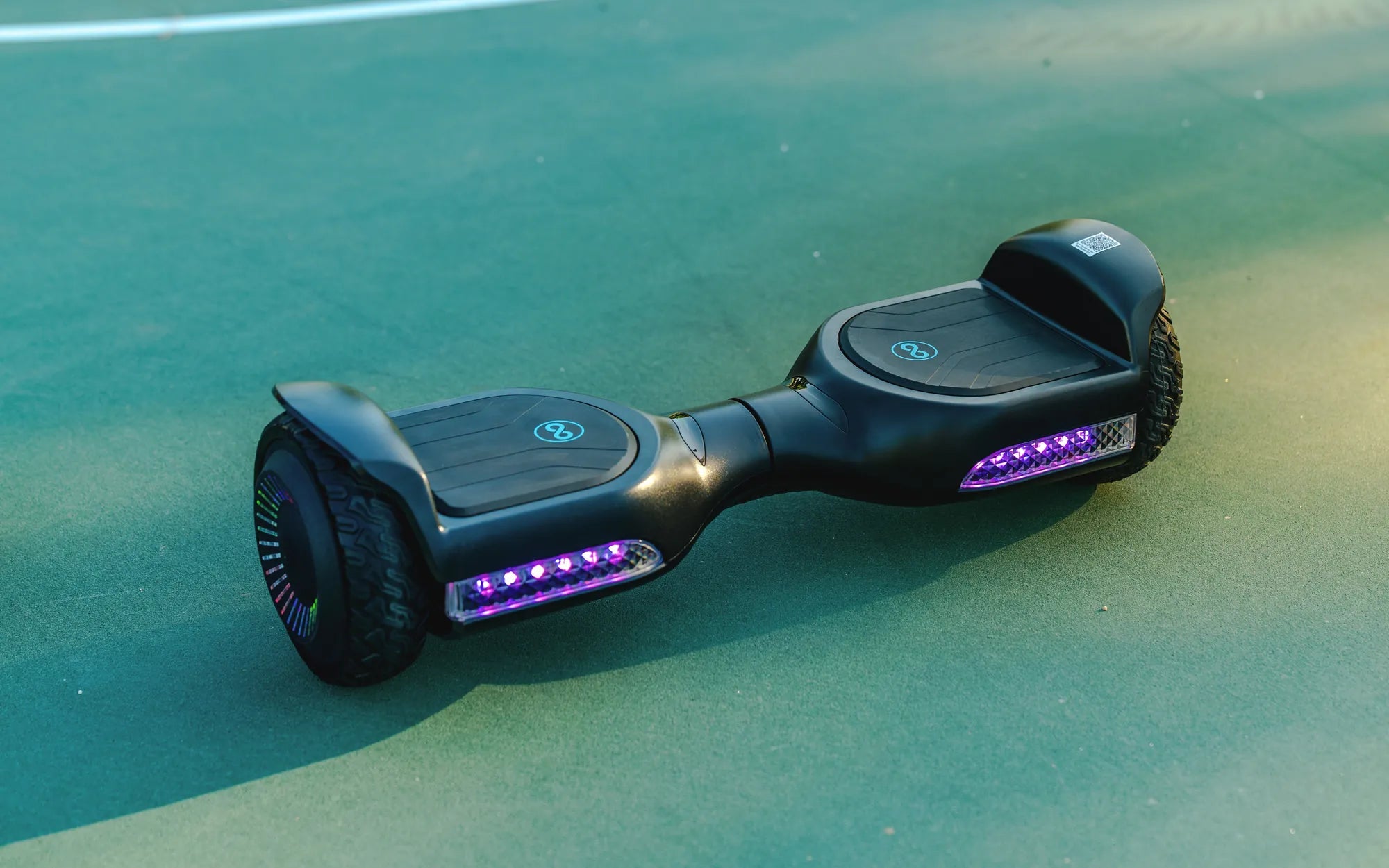
Your hoverboard just took an unexpected plunge into a puddle, or a sudden downpour soaked it during your ride. That sinking feeling is real—and for good reason. Water is one of the most destructive forces for the sensitive electronics, lithium-ion battery, and dual motors inside your self-balancing scooter. Immediate, correct action is the difference between a minor scare and a total, costly loss. This guide delivers the essential, data-driven steps to save your device, explains the science behind the damage, and provides long-term prevention strategies. You will learn the exact protocol for the first critical hour, the proper drying techniques that require patience, and how to systematically test your hoverboard's functionality to ensure it's safe to ride again.
The Dangers of Water and Hoverboards: Why Immediate Action is Critical
Understanding why water is so hazardous informs the urgency of your response. A hoverboard is a complex network of electrical components. The main control board, battery management system (BMS), gyroscopic sensors, and motor controllers are all vulnerable.
When water intrudes, it creates two primary threats: short circuits and corrosion. A short circuit occurs when water bridges electrical connections, causing uncontrolled current flow. This can instantly fry microchips, blow fuses, or damage the BMS. Corrosion is a slower, more insidious process where moisture reacts with metal components like battery terminals and circuit board traces, gradually eating them away and causing permanent failure days or weeks after the initial exposure.
The lithium-ion battery pack itself is particularly sensitive. While sealed, its casing and connection points are vulnerable. Water ingress can disrupt the delicate chemical balance within the battery cells, leading to reduced capacity, swelling, or in extreme cases, thermal runaway—a dangerous condition that can cause fire. This is why using batteries from reputable brands with strict certifications, like the UL-certified packs used in Gyroor hoverboards, is a fundamental safety measure, even before an accident occurs.
Simply put, water does not play well with any of the core systems in a hoverboard. The damage progresses in stages: immediate electrical failure, followed by ongoing corrosion. Your goal is to interrupt this process as quickly as possible to minimize both.
Immediate Actions: The First 60-Second Protocol
The moment your hoverboard gets wet, time is your enemy. Panic is not helpful, but swift, deliberate action is. Follow this sequence without delay to prevent the water from causing catastrophic damage.
First, get yourself and the hoverboard to a dry, safe location. If it's in a puddle, lift it out. Do not continue riding, as this can force water deeper into the chassis through the wheel axles and vents. The priority is to stop the ongoing exposure.
Safety First: Power Down and Disconnect
Your immediate task is to remove electrical power. Press and hold the power button until all lights turn off. If the device is unresponsive or you see flickering lights, assume it is still active.
Do not attempt to charge it. Next, if your model allows for user-accessible battery disconnection (some do for maintenance), carefully disconnect the battery terminal. This is the single most effective step to prevent a short circuit, as it completely isolates the power source from the wet electronics. If the battery is not easily accessible, focus on the next step. Always prioritize your safety; avoid contact with any visible exposed wiring or terminals if water is present.
Initial Drying: Surface Water Removal
With the power off, you can now address the surface water. Use a dry, absorbent microfiber cloth or paper towels to gently blot and wipe all exterior surfaces. Pay special attention to the charging port, power button, LED light cavities, and the seam where the two footpads meet.
Avoid vigorous rubbing, as this can push moisture into gaps and seals. Do not, under any circumstances, use a traditional hair dryer on a heat setting. The concentrated heat can warp plastic seals, melt internal adhesives, and actually drive moisture deeper into the device through steam pressure. The goal here is simple: remove all freely standing water you can see and access.
The Critical Drying Process: Why Patience is Non-Negotiable
After the initial wipe-down, your hoverboard will appear dry. This is an illusion. The real threat—internal moisture trapped within the shell, around components, and in connectors—remains. This phase requires patience; rushing it is the most common reason for ultimate failure.
Internal moisture leads to that slow corrosion we discussed. It can take 24-48 hours for this hidden water to fully evaporate under ideal conditions. Attempting to power on the device before this process is complete risks applying electricity to damp circuits, creating the short circuit you worked so hard to avoid.
Absorbent Materials and Proper Positioning
To aid the natural drying process, create a dry environment. Place the hoverboard in a warm, dry, and well-ventilated area. Avoid direct sunlight or placing it near a heater, as excessive heat can damage components.
The best practice is to surround it with moisture-absorbing desiccants. Silica gel packs (the ones found in shoe boxes or electronics packaging) are ideal. Uncooked rice in a large bin or bag is a widely available alternative, though silica gel is more effective. Position the hoverboard with its charging port facing downward, if possible, to allow any pooled liquid to drain out. Place it on a towel and surround it with your chosen desiccant, then leave it completely undisturbed.
How Long to Wait Before Testing
A conservative timeline is essential. The absolute minimum drying time is 48 hours. For a thorough job, especially if the device was fully submerged or caught in heavy rain, wait 72 hours or even up to 5 days. There is no benefit to testing early, only risk.
How can you check for residual moisture? Look for condensation on the inside of any transparent plastic covers or lenses. If the climate is humid, the drying process will take longer. When in doubt, wait an extra day. This waiting period is the most cost-effective "repair" you can perform.
Post-Drying Inspection and Testing: A Systematic Approach
After the full drying period, do not simply turn it on and hope for the best. A methodical inspection and testing sequence is crucial for safety and to assess the true extent of any damage.
Begin with a detailed visual and olfactory inspection. Look closely at all external ports and seams. Does anything look warped, discolored, or out of place? More importantly, smell the device, especially near the charging port and wheels. A faint, sweet, or chemical smell can indicate a damaged battery, which is a serious safety hazard. If you detect any unusual odor, stop immediately and seek professional help.
Checking for Corrosion and Component Damage
If your model allows, carefully open the main compartment (consult your manual) to inspect the battery and control board. Look for green or white crusty deposits on metal terminals—this is corrosion.
Check the battery pack for any signs of swelling, leakage, or punctures. Inspect wire connections and the circuit board for burnt marks or discoloration. If you see significant corrosion or physical damage, the device likely needs professional component replacement. For most users, if the interior looks clean and dry, you can proceed cautiously to the next stage.
The Power-On Test Sequence
Do not ride the hoverboard first. The safe testing sequence is: Charge, then Balance, then Ride. First, plug in the official charger (using a branded, certified charger like those from Gyroor is critical here) to the dry port. Watch the charger light and the board's indicator lights.
If they behave normally (e.g., charger light turns red, board lights show charging pattern), leave it to charge fully. If you see error flashes, no lights, or smell anything, unplug immediately. Once charged, power the board on while it is stationary. Do the gyroscopes calibrate? Do the LEDs light up normally? Finally, with the board on a stable, soft surface (like a carpet), step on carefully. Does it balance? Listen for unusual grinding, whining, or clicking from the motors. If all seems well, take a very short, cautious test ride. Warning signs include uneven power to the wheels, jerky movements, or error beeps.
Prevention is Better Than Cure: Proactive Protection Strategies
While knowing what to do after a water accident is vital, preventing the accident altogether is smarter. This involves both choosing the right equipment and adopting safe riding habits.
Investing in a hoverboard designed with water resistance in mind is the first and most effective line of defense. Not all boards are created equal, and marketing terms like "waterproof" are often misleading. Understanding official ratings is key.
Understanding IP Ratings: What IPX4 or IPX5 Really Means
The Ingress Protection (IP) rating is an international standard that defines a product's resistance to solids and liquids. For hoverboards, the liquid rating (the second digit) is what matters. An IPX4 rating means the unit is protected against water splashes from any direction.
An IPX5 rating, which is what Gyroor designs many of its models to meet, means it can withstand water jets (6.3mm nozzle) from any direction. This translates to real-world protection against puddle splashes, wet roads, and light rain. It is crucial to understand that no common hoverboard is "waterproof" (which would imply submergence, like an IPX7 rating). These ratings mean resistance, not invincibility. Always check the manufacturer's official specs, as seen with Gyroor's clear IPX5 designation on several models, to set realistic expectations.
Smart Riding Habits for Wet Conditions
Your behavior is the final layer of protection. Avoid puddles, standing water, and wet grass whenever possible. If you must ride on damp surfaces, do so slowly and cautiously.
After any ride in damp conditions, perform a quick post-ride wipe-down with a dry cloth to remove surface moisture, salt, or debris. Store your hoverboard in a cool, dry place, not a damp garage or basement. Consistently use the manufacturer's provided charger, as third-party chargers can lack proper voltage regulation and harm the battery's water-tight integrity over time. These habits, combined with a well-built board, drastically reduce your risk.
Comparison: Water Resistance and Key Features in Modern Hoverboards
Choosing a hoverboard with robust construction can preemptively address water damage concerns. Below is a comparison of important protective features to consider, highlighting how a focus on engineering and safety certifications makes a significant difference.
| Feature | Basic/Unspecified Model | Gyroor Pro Series Example | Why It Matters for Water Exposure |
|---|---|---|---|
| IP Rating | Often not stated or "water-resistant" | Rated IPX5 | Clear, tested standard for protection against water jets and splashes. |
| Battery Certification | Generic or uncertified | UL 2272 Certified Battery Pack | Ensures battery meets stringent electrical and fire safety standards, critical if compromised by moisture. |
| Charger Quality | Generic, unbranded charger | Branded, smart charger with correct voltage regulation | Prevents overcharging a potentially compromised battery, a major safety risk post-exposure. |
| Build Quality & Sealing | Visible seams, loose ports | Reinforced shell, sealed battery compartment | Physical barriers are the first line of defense against water ingress. |
| Warranty Coverage | Often excludes all liquid damage | 1-year comprehensive warranty* | *Though water damage is typically excluded, a strong warranty reflects overall build quality and manufacturer confidence. |
FAQ: Your Water Damage Questions Answered
Q: Can I use a hairdryer or microwave to speed up drying?
A: Absolutely not. A hairdryer on a heat setting can melt internal components and drive moisture deeper. A microwave will cause catastrophic damage to all electronics and the metal battery, creating an extreme fire hazard. Only use passive, room-temperature drying with desiccants.
Q: My hoverboard turned off immediately in the water. Is it dead?
A>Not necessarily. The safety circuitry may have triggered a shutdown to prevent a short. This can be a good sign. Follow the full drying and testing protocol outlined above. The ultimate outcome depends on how much water entered before it shut down.
Q: Does the manufacturer's warranty cover water damage?
A>In nearly all cases, standard warranties explicitly exclude damage from liquid exposure, as it is considered user-induced. However, some brands like Gyroor, which engineer models to an IPX5 standard, design their products to withstand such conditions, offering greater inherent protection and potentially more leniency in borderline cases. Always check your specific warranty document.
Q: How can I tell if the battery is permanently damaged?
A>Key signs include: swelling or bulging of the battery pack, inability to hold a charge (drains extremely fast), the charger not recognizing it, leaking fluid, or a distinct chemical smell. A damaged battery is a safety risk and should be replaced professionally, not used.
Q: Is it safe to open the hoverboard myself to dry the inside?
A>Only if you are technically confident and your user manual provides instructions. Incorrect reassembly can compromise safety seals. For most users, the external drying process with desiccants is safer and recommended. If internal corrosion is suspected, seeking a professional technician is the best course.
Act Fast, Dry Thoroughly, and Invest in Resilience
When your hoverboard gets wet, your response determines its fate. Remember the core principles: instant power-down, meticulous surface drying, and a patient, multi-day desiccant-assisted drying process. Rushing to test is the most common fatal error. Systematic post-drying inspection and cautious testing are non-negotiable for safety.
The experience underscores the value of prevention. Choosing a hoverboard built with clear water resistance standards like IPX5, equipped with safety-certified batteries, and backed by a reputable brand is not just a purchase—it's an investment in durability and peace of mind. Brands like Gyroor, trusted by over 100,000 riders, focus on these engineering fundamentals to better withstand the realities of daily commuting and unpredictable weather.
Equip yourself with knowledge and the right gear. For your next device, prioritize certified safety and clear protection ratings to keep your rides smooth and worry-free, no matter what you encounter on the road.
Ready for a hoverboard built to handle life's surprises? Browse the full collection of UL-certified, IPX5 water-resistant hoverboards, electric scooters, and e-bikes at gyroorboard.com.
Hoverboard Minimum Weight: What You Need to Know Before Riding
What to Do When One Side of Your Hoverboard Is Not Working: A Complete Guide