


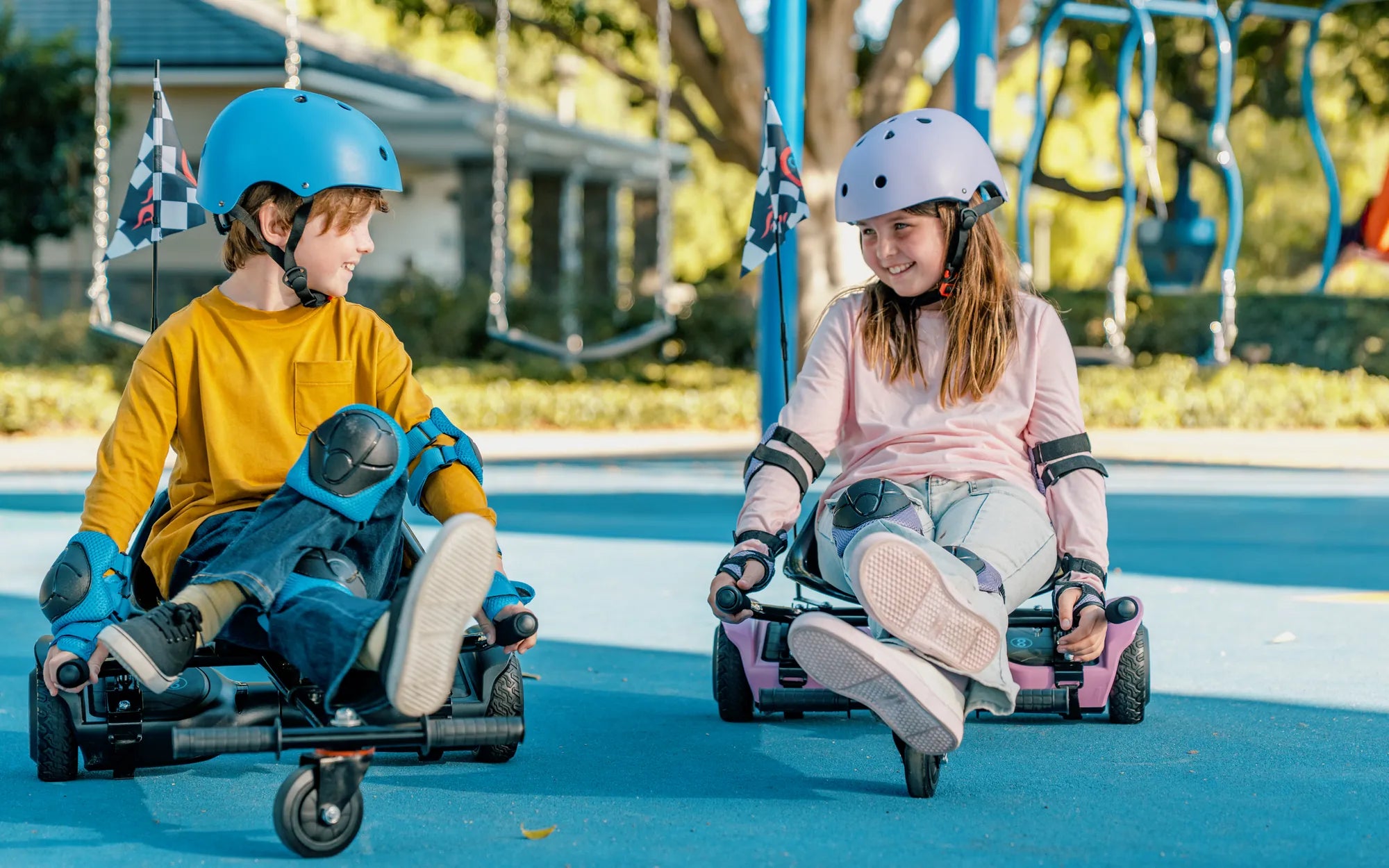
Picture this: you're cruising down the sidewalk on your hoverboard when suddenly, a puddle appears out of nowhere. Before you can react, your hoverboard splashes right into it. Panic sets in—what now? Water and electronics are a dangerous mix, but don’t despair just yet. With the right steps, you might be able to salvage your hoverboard and get back to gliding in no time.
Why Water is a Hoverboard's Worst Enemy
Hoverboards, like most electronic devices, are not designed to handle exposure to water. The internal components, including the battery, circuit boards, and motors, can suffer severe damage if moisture seeps in. Water can cause short circuits, corrosion, and even render your hoverboard completely unusable. The severity of the damage depends on how much water your hoverboard was exposed to and how quickly you act.
Immediate Steps to Take When Your Hoverboard Gets Wet
Time is of the essence when dealing with water damage. Follow these steps immediately to minimize the risk of permanent harm:
1. Power It Down Immediately
If your hoverboard is still on when it gets wet, turn it off right away. Continuing to use it while wet can cause a short circuit, leading to irreversible damage. Unplug it from any power source if it’s charging.
2. Remove the Battery (If Possible)
If your hoverboard has a removable battery, take it out immediately. This reduces the risk of electrical damage and prevents potential battery leaks. Be cautious when handling a wet battery, as it could pose a safety hazard.
3. Dry the Exterior Thoroughly
Use a dry cloth or towel to wipe down the entire surface of the hoverboard. Pay special attention to seams, ports, and buttons where water might accumulate. Avoid shaking or tilting the hoverboard, as this could spread water to internal components.
4. Disassemble What You Can
If you’re comfortable doing so, carefully open the hoverboard to expose the internal components. Remove the outer casing and inspect for any visible water. Use a soft, absorbent cloth to gently dab away moisture.
Long-Term Drying Techniques
After the initial steps, it’s crucial to ensure all moisture is completely gone before attempting to use the hoverboard again. Here’s how to dry it effectively:
1. Use Silica Gel Packs or Rice
Place the hoverboard (or its disassembled parts) in a container filled with silica gel packs or uncooked rice. These materials are excellent at absorbing moisture. Leave it for at least 24–48 hours to ensure thorough drying.
2. Employ a Fan or Dehumidifier
Position a fan near the hoverboard to circulate air and speed up the drying process. Alternatively, place it in a room with a dehumidifier to reduce ambient moisture.
3. Avoid Heat Sources
Resist the temptation to use a hairdryer or place the hoverboard in direct sunlight. Excessive heat can damage sensitive components and melt internal wiring.
Testing Your Hoverboard After Drying
Once you’re confident the hoverboard is completely dry, it’s time to test it. Follow these precautions:
1. Reassemble Carefully
Put all the components back together securely. Ensure no screws are loose and that all connections are properly seated.
2. Charge the Battery
Plug in the hoverboard and let it charge fully before attempting to turn it on. Monitor the charging process closely for any unusual behavior, such as overheating or sparks.
3. Perform a Test Ride
Start with a short, cautious ride in a safe area. Listen for strange noises or jerky movements, which could indicate lingering water damage.
Preventing Future Water Damage
To avoid a repeat incident, take these preventive measures:
1. Avoid Wet Surfaces
Steer clear of puddles, wet grass, or rainy conditions. Even a small amount of water can seep into the hoverboard’s internals.
2. Invest in a Protective Cover
Consider using a waterproof cover or case for your hoverboard, especially if you frequently ride in unpredictable weather.
3. Store It Properly
Keep your hoverboard in a dry, cool place when not in use. Avoid leaving it outside or in damp areas like basements.
When to Seek Professional Help
If your hoverboard shows signs of malfunction after drying—such as failing to power on, erratic movements, or burning smells—it’s time to consult a professional. Attempting DIY repairs on severely damaged electronics can be dangerous.
Don’t let a little water ruin your hoverboard fun. By acting quickly and following these steps, you can often save your ride from a watery grave. Stay dry, stay safe, and keep gliding!
Hoverboard Technologies Price: The Future of Personal Transportation
What Color Hoverboard Should I Get? A Guide to Choosing the Perfect Shade