



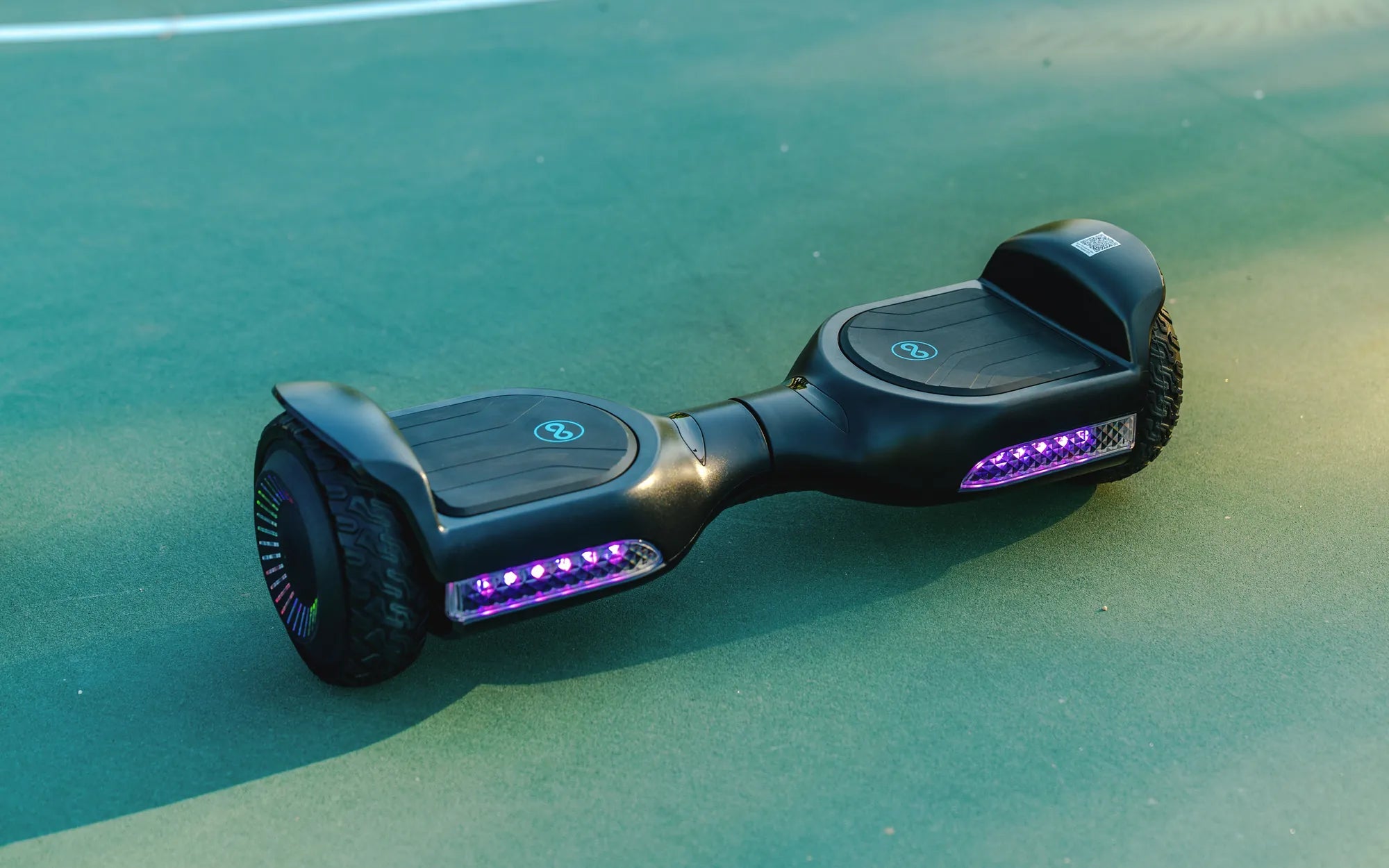
Introduction: Why Kids' E-Scooter Safety is Non-Negotiable
Electric scooters have transformed from niche gadgets into a staple of modern childhood fun and mobility. For parents, this shift brings a critical responsibility: navigating the market to find a ride that prioritizes safety as much as excitement. Understanding what to look for in kids electric scooter safety is the difference between worry-free adventures and preventable accidents.
This guide provides a data-driven framework for your decision. Safety is a system, not a single feature. It combines intelligent product design, certified components, essential protective gear, and educated riding habits. We will analyze each pillar in detail.
As a leading electric scooter and e-bike brand trusted by over 100,000 riders across North America and Europe, Gyroor engineers every model with these safety pillars from the ground up. Our focus on UL-certified batteries, IPX5 water resistance, and reliable 1-year warranties reflects a commitment to partnering with parents for safe, lasting fun.
The Foundation: Choosing a Safety-First Scooter
The journey to safe riding begins with selecting the right hardware. A scooter's physical design dictates its stability, control, and overall safety margin for a young rider. Prioritizing these core features creates a foundation of confidence.
Look for models designed with a low center of gravity and a deck long enough for a child to position their feet comfortably. These design choices directly impact balance, especially during starting, stopping, and turning maneuvers.
Avoid scooters that feel flimsy or have excessive play in the steering column. Rigidity and solid construction are non-negotiable for maintaining control at speed. The manufacturer's stated weight limit is a critical safety specification, not a suggestion.
Stability and Control: Wheel Size, Deck, and Weight Limit
Wheel size and type are primary determinants of ride quality and stability. Larger wheels, typically 8 inches or more in diameter, roll over cracks, pebbles, and minor pavement imperfections more smoothly than smaller wheels. This reduces the risk of a sudden stop or loss of control.
Air-filled (pneumatic) tires offer superior shock absorption and traction compared to solid rubber tires. They provide a cushioned ride that lessens impact on joints and improves grip on varied surfaces. A wide, textured deck with a non-slip surface is essential for secure footing.
Exceeding the scooter's maximum weight limit compromises structural integrity, stresses the motor and battery, and critically reduces braking efficiency. Always choose a scooter with a weight limit that exceeds your child's current weight to allow for growth and ensure a safety buffer.
Predictable Power: Motor Type, Speed Modes, and Start Mechanism
For young riders, predictable and manageable power delivery is paramount. Hub motors, integrated into the wheel, are generally safer and more reliable for kids' models. They require less maintenance and provide smoother acceleration compared to some chain-drive systems.
Multiple speed modes are a crucial safety feature. A beginner mode, often capped at a walking pace (e.g., 5-7 mph), allows a child to master balance and steering without excessive speed. Parents can unlock higher modes as the rider's skill and confidence grow.
The start mechanism prevents accidental, jerky launches. A kick-to-start feature requires a few pushes to activate the motor, ensuring the rider is balanced and ready. A push-button start should always be coupled with a dead-man's switch or require the rider to be moving first.
Reliable Stopping Power: Braking Systems Explained
Effective braking is the most critical active safety system on any vehicle. Kids' electric scooters typically use one or a combination of these systems: electronic (E-ABS), disc, drum, or foot/fender brakes.
Electronic brakes use the motor to create resistance, slowing the scooter smoothly. They are low-maintenance but can be less effective on steep hills. Disc brakes offer strong, consistent stopping power in various conditions but may require occasional adjustment.
The safest setups incorporate redundancy. A dual-brake system, such as an electronic brake paired with a physical foot brake, provides a backup. This teaches children to use both methods for controlled stopping and ensures safety if one system is less effective due to wet conditions or a low battery.
The Power Source: Understanding Battery and Electrical Safety
Lithium-ion batteries power modern electric scooters, offering great performance. However, their safety depends entirely on quality, certification, and proper use. This is an area where cutting corners is unacceptable.
Parents must look beyond vague claims of "long battery life" and scrutinize the technical specifications and safety certifications of the battery pack. This due diligence mitigates the primary risks associated with e-scooters: potential fire hazards and electrical failures.
Responsible brands transparently share this information. For instance, Gyroor uses UL-certified battery packs tested for over 500 charge cycles, a standard that forms the bedrock of electrical safety in their entire lineup of over 20 models.
The Gold Standard: Why UL-Certification is a Must
UL (Underwriters Laboratories) certification is an independent, rigorous safety standard for electrical components. For a lithium-ion battery pack, UL certification means it has passed extensive tests for overcharge protection, short-circuit prevention, temperature control, and mechanical durability.
This certification is your best guarantee against thermal runaway—a dangerous chain reaction that can lead to fires. It ensures the battery management system (BMS) inside the pack will shut down operation if it detects abnormalities in voltage, current, or temperature.
Never purchase a kids' electric scooter without a UL-certified (or equivalent like CE) battery. This single feature is a non-negotiable filter when evaluating what to look for in kids electric scooter safety. It is a direct investment in risk mitigation and long-term reliability.
Durability in All Conditions: The Importance of Water Resistance
Kids ride in the real world, which includes damp pavement, morning dew, and unexpected puddles. Water resistance protects the scooter's sensitive electrical components from moisture, preventing shorts, corrosion, and premature failure.
Look for an IP (Ingress Protection) rating. The first digit after "IP" refers to solid particle protection; the second digit refers to liquid protection. An IPX5 rating, for example, means the scooter can withstand water jets from a nozzle, making it resistant to rain and splashes.
While no consumer scooter is fully waterproof for submersion, an IPX4 or IPX5 rating is a strong indicator of a well-sealed design. This extends the scooter's lifespan, maintains safety, and allows for worry-free riding in common damp conditions, a key consideration for any parent's guide to safety.
Gearing Up: Essential Protective Gear and Pre-Ride Checks
The safest scooter is only as safe as the rider using it. Protective gear is not optional; it is the primary defense against the most common injuries: abrasions, fractures, and head trauma. Establishing a "gear-up" ritual is as important as the scooter itself.
Consistently wearing gear from day one normalizes it as part of the riding experience. This section outlines the mandatory safety uniform and a quick pre-ride inspection routine that takes less than a minute but can prevent major incidents.
This habit of preparation is a core part of responsible ownership. It teaches children to respect their vehicle and their own safety, lessons that extend far beyond electric scooters.
The Safety Uniform: Helmets, Pads, and Visibility
Helmet: A CPSC (Consumer Product Safety Commission) certified bicycle helmet is the absolute minimum. It must fit snugly, sitting level on the head and covering the forehead. Replace it after any significant impact, even if no damage is visible.
Knee and Elbow Pads: These are crucial, especially for beginners. Falls often result in impacts to these joints. Properly fitted pads with hard plastic shells and shock-absorbing foam can prevent painful scrapes and more serious injuries.
Visibility: For rides near dawn, dusk, or in shaded areas, bright clothing and reflective elements are vital. Some scooters, like several in the Gyroor range, come with built-in LED headlights and taillights. Adding reflective stickers to the helmet and scooter frame further enhances visibility to others.
The 60-Second Pre-Ride Safety Checklist
Make this a non-negotiable routine before every ride, performed by the parent and eventually together with the child.
- Tires: Check for proper inflation (if pneumatic) and look for cracks, excessive wear, or embedded debris.
- Brakes: Squeeze the hand brake lever and press the foot brake. Ensure they engage firmly and bring the scooter to a complete stop without sticking.
- Fasteners: Check that the handlebar, stem, and folding mechanisms (if present) are tight and secure with no wobble.
- Battery & Lights: Confirm adequate charge for the planned ride. Test the headlight and taillight to ensure they are functional.
- General Condition: Do a quick visual scan for any new cracks, loose wires, or damage to the deck or fenders.
Rules of the Road: Teaching Safe Riding Practices
Equipped with a safe scooter and proper gear, the final component is education. Safe riding practices are learned behaviors. Parents must actively teach and supervise these rules, gradually granting more independence as responsibility is demonstrated.
The environment in which a child learns to ride is as important as the lessons themselves. Controlled, progressive exposure to more complex riding scenarios builds competence and judgment. This process cannot be rushed.
Understanding what to look for in kids electric scooter safety extends into behavioral guidance. These rules protect not only the rider but also pedestrians, pets, and property.
Finding the Right Practice Environment
Stage 1: The Basics. Begin in a completely empty, smooth, and private space. A flat driveway, empty tennis court, or school parking lot on a weekend is ideal. This environment eliminates variables like traffic, slopes, and obstacles.
Stage 2: Controlled Challenges. Once starting, stopping, and turning are mastered, introduce gentle, smooth slopes and practice braking on them. Use chalk to create simple slalom courses to improve steering control.
Stage 3: Supervised Public Riding. Only progress to sidewalks (where legally permitted), bike paths, or quiet cul-de-sacs after demonstrating consistent control and rule-following. Always supervise these rides initially, focusing on hazard awareness and etiquette.
Core Riding Principles for Kids
Drill these fundamental rules until they become instinctive for your young rider.
- One Rider Only: Electric scooters are designed for a single person. Adding a passenger dangerously alters balance, weight distribution, and braking capability.
- Hands on Handlebars: Both hands must remain on the handlebars at all times for maximum control. No carrying items or using phones while moving.
- Eyes Up, Distractions Down: No headphones or earbuds. Riders need full auditory awareness of their surroundings, including cars, cyclists, and pedestrians.
- Yield to Pedestrians: On sidewalks or paths, pedestrians have the right of way. Slow down, give a wide berth, and pass cautiously, using a bell or verbal cue if necessary.
- Plan Your Path: Teach children to scan ahead for hazards like cracks, gravel, wet leaves, or curbs, and to slow down before navigating them.
Peace of Mind: Warranty, Support, and Responsible Ownership
The safety relationship with your child's electric scooter doesn't end at the checkout. Long-term safety is ensured through robust manufacturer support, a clear warranty, and simple, consistent maintenance. These factors separate quality brands from disposable products.
A comprehensive warranty signals the manufacturer's confidence in their product's durability and their commitment to standing behind it. Accessible customer support is invaluable for troubleshooting minor issues before they become safety concerns.
Regular maintenance, much like the pre-ride check, is preventative safety care. It preserves the scooter's performance and identifies wear items before they fail. This is the final, ongoing layer in a parent's guide to safety.
What a True Comprehensive Warranty Covers
A strong warranty for a kids' electric scooter should be at least 1 year in duration and provide clear coverage for the core components that affect safety and function.
| Component | What to Look For | Why It Matters |
|---|---|---|
| Battery | Coverage for defects and significant loss of capacity (e.g., below 70% of original). | The most expensive component; ensures power reliability. |
| Motor | Coverage for defects in workmanship and materials. | Guarantees consistent power delivery and braking function. |
| Frame & Stem | Coverage for manufacturing defects, not accidental damage. | Ensures structural integrity, the foundation of all safety. |
| Electrical System | Coverage for controller, wiring, and display issues. | Prevents unexpected power loss or system failure. |
Gyroor's reliable 1-year warranty, backed by US-based support, exemplifies this comprehensive approach, offering parents tangible peace of mind.
Maintenance for Longevity and Safety
Simple, periodic maintenance keeps the scooter in safe working order and extends its life significantly.
Bolts and Fasteners: Every month, or after particularly rough rides, check and tighten all bolts, especially those on the handlebar clamp, stem, and wheels. Vibration can loosen them over time.
Tire Care: Maintain recommended tire pressure for pneumatic tires. Under-inflated tires increase rolling resistance, reduce range, and make steering sluggish. Over-inflated tires reduce traction and make the ride harsh.
Battery Care: Follow charging instructions precisely. Avoid leaving the scooter plugged in for extended periods after a full charge. Store the scooter (and battery) in a cool, dry place, away from direct sunlight or extreme cold.
Cleaning: Use a damp cloth to wipe down the deck, frame, and wheels. Avoid high-pressure hoses or submerging the scooter, even if it is water-resistant, to prevent forcing water into seals.
Frequently Asked Questions (FAQ)
Q1: What is the right age for a child to start using an electric scooter?
A: There's no universal age, as it depends on the child's size, coordination, and maturity. Most manufacturers recommend ages 8+. The key factors are whether the child can comfortably reach the handlebars, understand and follow safety rules, and has the physical strength to operate the brakes effectively. Always start with the slowest speed mode.
Q2: Are electric scooters safe for kids to use on the road?
A: Generally, no. Most local laws prohibit electric scooters on public roads, and it is extremely dangerous due to traffic. Riding should be confined to private property, designated bike paths (where local laws permit e-scooters), or sidewalks with extreme caution and strict parental supervision, always yielding to pedestrians.
Q3: How do I know if the helmet fits my child correctly?
A: The helmet should sit level on the head, covering the forehead (about two finger-widths above the eyebrows). The side straps should form a "V" just under and slightly in front of the ears. The chin strap should be snug, allowing only one or two fingers to fit between the strap and the chin. The helmet should not rock forward, backward, or side-to-side when the head is moved.
Q4: How long does the battery typically last, and how do I maximize its life?
A> A quality battery should retain good capacity for 2-3 years with regular use. To maximize lifespan: avoid completely draining the battery before charging, don't leave it plugged in constantly after it's full, store it partially charged (around 50-70%) if not using the scooter for several weeks, and keep it away from temperature extremes.
Q5: My child's scooter has a slow speed mode, but it still seems too fast for beginners. What can I do?
A> Some scooters allow for further speed limiting via a companion app. If not, you can create a physical practice environment that limits speed, such as setting up cones very close together in a driveway, forcing slow, controlled maneuvers. This builds muscle memory and confidence at low speeds before opening up more space.
Conclusion: Empowering Safe Adventures
Choosing and managing a kids' electric scooter is an exercise in informed parenting. By focusing on the pillars outlined in this guide—a robustly built scooter with UL-certified power, redundant brakes, and speed controls; head-to-toe protective gear; thorough education in safe riding practices; and a regimen of supervision and maintenance—you transform a simple toy into a tool for building confidence, responsibility, and joy.
The question of what to look for in kids electric scooter safety is answered by a holistic approach. It's about selecting a partner brand that embeds safety into its engineering, like Gyroor with its certified batteries and water-resistant designs, and then layering on your own vigilant stewardship. This investment in safety from the start pays dividends in endless fun and priceless peace of mind, allowing your child to explore their world with a foundation of security.
Ready to find a scooter that meets these rigorous safety standards? Browse the full Gyroor collection, designed with parental peace of mind as a core feature, at gyroorboard.com.
Hoverboard Age 3: The Ultimate Guide to Safe and Fun Riding for Toddlers
Balancing Board Scooter: The Ultimate Guide to Fun and Fitness