



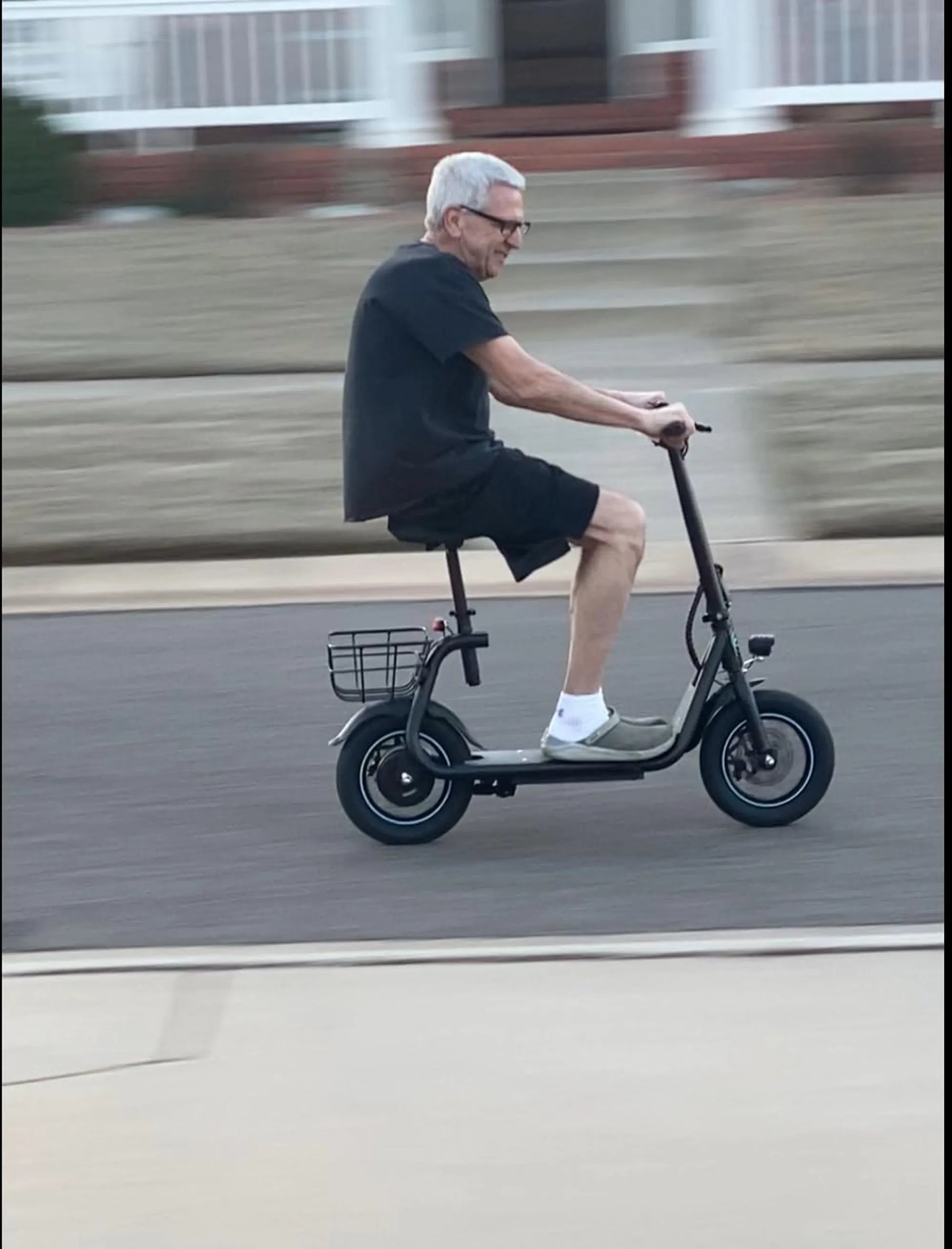
Electric bikes have revolutionized personal transportation, offering a blend of pedal power and electric assistance that makes commuting, recreation, and adventure more accessible. But one question often sparks curiosity: what's the fastest an electric bike can go? The answer isn't as straightforward as you might think, as it depends on technology, regulations, and design choices. Let's dive into the world of high-speed e-bikes and uncover the factors that determine their top speeds.
Understanding Electric Bike Speed Classes
Electric bikes are typically categorized into three classes based on their speed capabilities:
- Class 1: Pedal-assist only, with a top speed of 20 mph (32 km/h).
- Class 2: Throttle-assisted, also capped at 20 mph (32 km/h).
- Class 3: Pedal-assist with a higher limit of 28 mph (45 km/h).
These classifications are widely recognized in many regions, but some manufacturers push beyond these limits, creating high-performance models that blur the line between e-bikes and electric motorcycles.
Breaking the Limits: How Fast Can E-Bikes Really Go?
While most consumer e-bikes adhere to class regulations, specialized or modified models can reach astonishing speeds. Some high-performance e-bikes can hit 40-60 mph (64-97 km/h), though these often fall into a legal gray area. Factors like motor power, battery capacity, and aerodynamics play a crucial role in achieving these speeds.
Motor Power and Speed
The motor is the heart of an e-bike's speed potential. Most standard e-bikes use motors ranging from 250W to 750W, but high-speed models may feature motors exceeding 1,000W or even 5,000W. These powerful motors can propel riders at motorcycle-like speeds, but they also demand robust frames, advanced braking systems, and larger batteries.
Battery Capacity and Range at High Speeds
Speed comes at a cost—battery life. Riding at top speeds drains the battery much faster than cruising at moderate speeds. A high-capacity battery (e.g., 48V or 52V with 20Ah+) is essential for maintaining performance over longer distances. However, even the best batteries will deplete quickly when pushing an e-bike to its limits.
Legal and Safety Considerations
Before chasing speed, it's crucial to understand the legal landscape. Many countries and states impose strict regulations on e-bike speeds, often requiring licensing, insurance, or even reclassification as a motorcycle for models exceeding certain thresholds. Safety is another critical factor—higher speeds increase the risk of accidents, making protective gear and responsible riding habits essential.
Where Can You Ride a High-Speed E-Bike?
Laws vary by location, but most public roads and bike paths enforce speed limits for e-bikes. Off-road or private tracks may offer more freedom, but riders should always check local regulations before testing their e-bike's top speed.
Is Speed Everything? Balancing Performance and Practicality
While the thrill of speed is undeniable, most riders prioritize reliability, range, and comfort over raw velocity. A well-balanced e-bike offers a blend of efficiency and performance, ensuring a smooth ride whether you're commuting or exploring trails. After all, the joy of electric biking isn't just about how fast you can go—it's about the freedom to ride farther, faster, and with less effort.
Ready to experience the thrill of electric biking? Whether you're chasing speed or savoring the journey, understanding your e-bike's capabilities ensures a ride that's both exhilarating and safe. The open road (or trail) awaits—how fast will you go?
Wide Tire Electric Bike: The Ultimate Guide to Power, Comfort, and Adventure
Wide Tire Electric Bike: The Ultimate Guide to Power, Comfort, and Adventure