



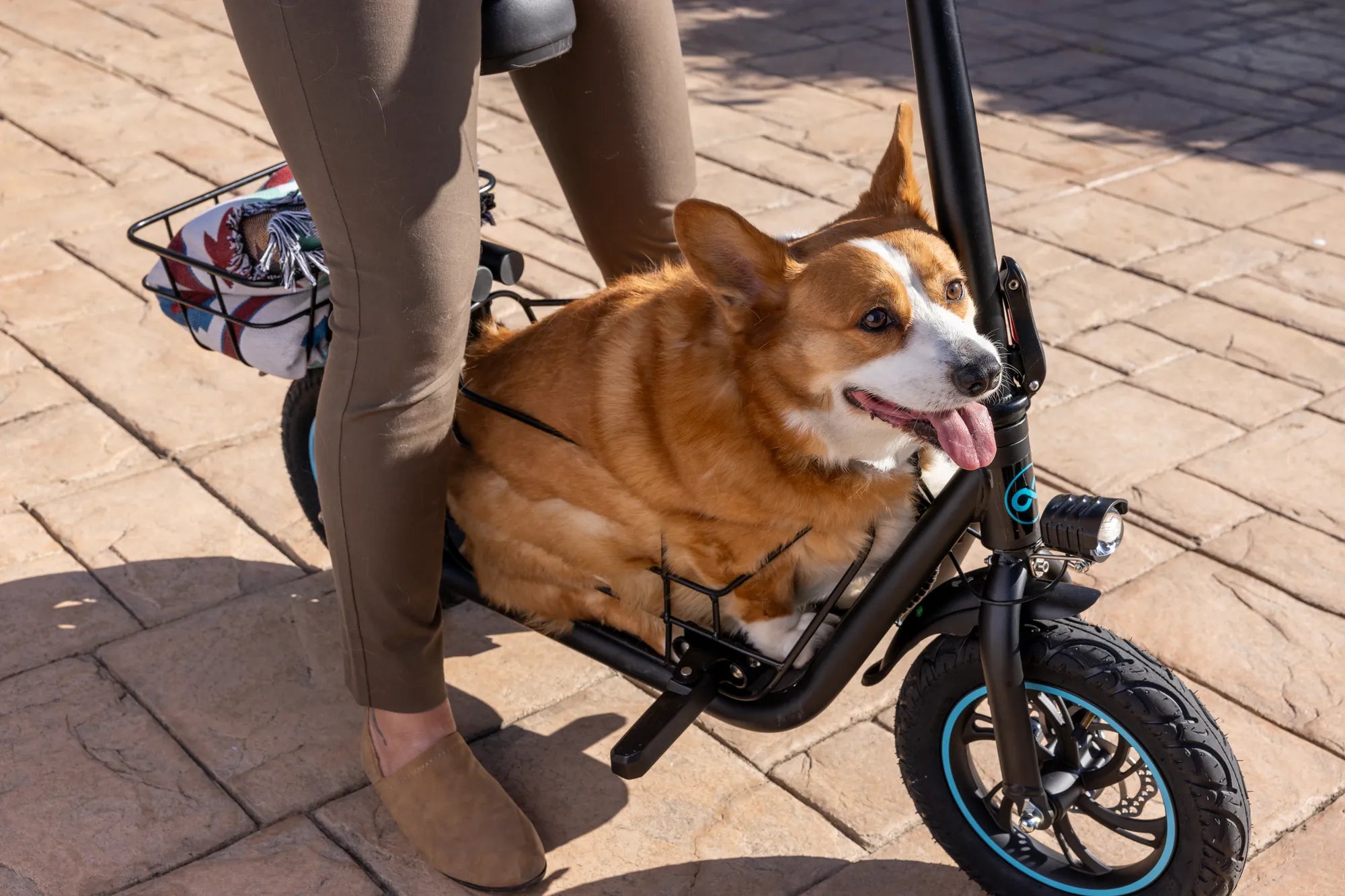
You're asking the right question: where can I find electric scooters? The answer is the first step toward unlocking a new level of urban freedom. This guide moves beyond a simple list of stores to provide a complete roadmap for purchasing and riding. We'll explore where to buy, how to decipher technical specs, and the crucial laws and safety practices every rider must know. Whether for your daily commute or weekend adventures, understanding the full picture—from trusted brands like Gyroor, known for UL-certified safety and IPX5 water resistance, to responsible road etiquette—ensures you make a smart, lasting investment.
Where to Find Electric Scooters: Retail and Online Channels
Your journey begins with choosing a purchasing channel. Each option offers a different blend of convenience, expertise, and support, impacting your long-term satisfaction.
Buying from a local specialty shop provides significant advantages. You gain access to staff who are often passionate riders themselves, offering personalized advice based on your weight, route, and terrain. The ability to test ride is invaluable; you can feel the scooter's stability, acceleration, and comfort firsthand. Furthermore, these shops typically handle assembly and provide immediate local support for servicing or warranty claims, building a valuable long-term relationship.
Major sporting goods and big-box retailers offer convenience and accessibility. Stores like Best Buy, Target, or Dick's Sporting Goods may carry popular models, making it easy to see a scooter in person during a routine shopping trip. Purchasing here can be straightforward, with flexible return policies. However, the selection may be limited to more mainstream brands, and the sales staff's specific expertise on electric scooter mechanics and local laws can vary significantly.
Purchasing direct from a manufacturer's website, such as Gyroor's official site, is often the most comprehensive option. You gain access to the brand's full model lineup, detailed specifications, and latest technologies. This channel ensures you receive authentic products with full manufacturer warranty coverage and direct customer support. It eliminates the risk of purchasing from unauthorized third-party sellers and often provides the most accurate product information and firmware updates.
Online marketplaces like Amazon and Walmart.com present a vast selection with competitive pricing and fast shipping. The key here is diligent research. Always verify that the seller is an authorized retailer for the brand to ensure warranty validity. Scrutinize return policies and read through detailed customer reviews to gauge real-world performance and durability beyond marketing claims. While convenient, this route requires a more proactive approach to vetting.
Choosing the Right Scooter: Key Specifications Decoded
Moving from 'where' to 'what,' evaluating key specifications is critical. These metrics are not just numbers; they directly translate to your daily riding experience, safety, and convenience.
Motor Power, Speed, and Performance
Motor wattage determines your scooter's capability. A 250W motor suits flat terrains and lighter riders for short trips, while a 350W-500W motor provides better acceleration and can handle moderate hills, ideal for average commutes. For heavier riders or steep inclines, motors of 500W and above, like those in many Gyroor commuter models, deliver the necessary torque. Always cross-reference the motor power with the manufacturer's stated max rider weight for accurate performance expectations.
Battery Range, Charging, and Real-World Use
Battery range is the most frequently misunderstood spec. A claim of "25 miles" is typically a best-case scenario tested under ideal conditions. Real-world range is affected by rider weight, hills, frequent stops/starts, temperature, and riding speed. To plan your commute, consider a scooter with a rated range at least 50% longer than your daily distance. Look for brands that use high-quality, UL-certified battery packs, like Gyroor, which undergo rigorous testing for safety and longevity over 500+ charge cycles.
Portability, Weight, and Build Durability
If you need to carry your scooter onto public transit or up stairs, weight is a top priority. Commuter models range from 30 to 45 pounds. Examine the folding mechanism—it should be robust, secure, and easy to operate with one hand. Build quality is paramount; look for sturdy materials like aerospace-grade aluminum. An IP water-resistance rating is crucial for all-weather readiness. For example, Gyroor's IPX5 rating means the scooter can withstand water jets from any direction, making it resilient in rain.
Safety Features and Warranty Protection
Never compromise on safety components. Braking systems vary: electronic brakes are low maintenance, disc brakes offer strong stopping power, and drum brakes are weather-resistant. A combination system is best. Lighting is non-negotiable for visibility; ensure a bright headlight, brake light, and side reflectors. Finally, a robust warranty is a direct reflection of a brand's confidence in its product. A comprehensive 1-year warranty on components, like Gyroor offers, provides essential peace of mind and protects your investment.
Electric Scooter Comparison: Matching Models to Needs
To visualize the choice, here is a comparison of common scooter profiles and their ideal use cases, highlighting how different specs align with rider needs.
| Type / Use Case | Typical Motor Power | Typical Range | Key Features | Ideal For |
|---|---|---|---|---|
| Ultra-Portable / Last-Mile | 250W - 350W | 10-15 miles | Lightweight (<30 lbs), compact fold | Combining with public transit, short urban errands |
| Urban Commuter | 350W - 500W | 18-25 miles | Good suspension, IPX4/5 rating, reliable brakes | Daily city commutes up to 10 miles roundtrip |
| Performance / Long-Range | 500W+ | 25-40+ miles | Dual suspension, larger tires, dual brakes | Longer commutes, riders in hilly areas, recreational use |
Understanding Local Laws and Riding Legally
Owning an electric scooter comes with legal responsibilities that vary dramatically by location. Ignorance of the law is not an excuse and can result in fines or confiscation of your scooter.
Your first task is to research city and state regulations. Key areas to check include: where you are permitted to ride (bike lanes, roads, or sidewalks), maximum speed limits (often 15-20 mph), minimum age requirements (commonly 16+), and helmet laws (which may vary by age). The best sources are your local Department of Transportation or city government website. Regulations for privately-owned scooters can differ from those governing rental fleets.
Essential Safe Riding Practices and Gear
Safety extends beyond the scooter's features to your behavior and preparation. Adopting safe habits is the single most important thing you can do as a rider.
A certified bicycle helmet is non-negotiable protective gear. Consider additional safety equipment like gloves, knee pads, and elbow pads, especially when learning or riding in traffic. High-visibility or reflective clothing is crucial for dawn, dusk, or night riding. Before every ride, conduct a quick pre-ride check: inspect tire pressure and for wear, test both front and rear brakes, ensure all lights are functional, and verify that the folding mechanism and stem are securely locked.
Maintenance and Care for Long-Term Reliability
Proper maintenance ensures your scooter remains safe, performs well, and lasts for years. A small amount of regular care prevents major issues and costly repairs.
Regularly check and maintain proper tire pressure; under-inflated tires reduce range and increase wear. Keep your scooter clean, especially after riding in wet or dirty conditions, using a damp cloth and avoiding high-pressure water jets on sensitive components. For battery care, avoid consistently draining it to 0%; try to recharge when it reaches 20-30%. Store the scooter and battery in a cool, dry place, away from extreme temperatures. Periodically check and tighten bolts, especially on the stem, handlebars, and folding mechanisms, as vibrations can loosen them over time.
Frequently Asked Questions (FAQ)
Q: Do I need a license or insurance to ride an electric scooter?
A: In most jurisdictions, a driver's license is not required for electric scooters with a top speed under 20 mph, but you must check local laws as some states or cities have different rules. Personal insurance is typically not mandatory, but it's wise to check if your homeowner's or renter's insurance policy provides any coverage for personal electric vehicle liability or theft.
Q: How do I maintain my electric scooter's battery for maximum lifespan?
A: Avoid full discharges and extreme temperatures. Recharge the battery when it drops to 20-30% capacity and avoid leaving it at 100% charge for extended periods (weeks). Store the scooter in a cool, dry place. Using only the manufacturer-provided charger is critical to prevent damage.
Q: Are Gyroor scooters waterproof for riding in the rain?
A: Gyroor models are built with an IPX5 water-resistant rating. This means the electrical components are protected against low-pressure water jets from any direction, making them safe for riding in rain and through puddles. However, they are not submersible and should not be ridden through deep standing water.
Q: What is the real difference between motor wattages (e.g., 350W vs. 500W)?
A: Higher wattage generally means more power. A 500W motor will provide stronger acceleration, better performance on hills, and a higher potential top speed compared to a 350W motor, especially when carrying a heavier rider or cargo. It translates to a more responsive and capable ride.
Q: What does the UL-certification on a Gyroor battery actually mean for me?
A: UL (Underwriters Laboratories) certification means the lithium-ion battery pack has passed independent, rigorous safety tests for risks like electrical fire, shock, and mechanical hazards. It is a critical benchmark for battery safety, offering you significant peace of mind compared to uncertified, potentially hazardous batteries used in some models.
Your Path to Confident and Enjoyable E-Scooter Ownership
Finding the right electric scooter is a process that blends research, self-assessment, and a commitment to safety. You now have the tools to navigate from the initial question of 'where can I find electric scooters' to making an informed purchase that aligns with your commute, lifestyle, and local laws. The ideal choice balances proven performance, certified safety features like UL-certified batteries and IPX5 water resistance, and the reliable support of a trusted brand. This approach empowers you to join a growing community of over 100,000 riders who have embraced smart, sustainable urban mobility. Ready to explore models that put safety and performance first?
Browse the full Gyroor collection at gyroorboard.com to find your perfect ride.
Electric Scooters for Adults Under $600: Affordable and Efficient Commuting Solutions
Best Kids Electric Scooters Deals: Top Picks for Fun and Safety