



Introduction: Your Guide to Finding the Right Dirt Bike Helmet Locally
Searching for where to buy dirt bike helmets near me is the first critical step toward safer, more enjoyable riding. This isn't just a purchase; it's an investment in your protection, comfort, and performance on the track or trail. A helmet bought online based on guesswork can compromise your safety, while a properly fitted one from a knowledgeable local source becomes your most trusted piece of gear.
You will learn how to identify the best local retailers, from specialty shops to dealerships. We provide a detailed checklist for your in-store fitting session, ensuring you know exactly how a helmet should feel and function. Furthermore, we'll show you how to use digital tools to find brick-and-mortar stores with the expertise you need.
Understanding the importance of proper fit, legitimate safety certifications, and feature-specific design is non-negotiable. While e-commerce offers convenience, the tactile experience of trying on multiple models under expert guidance is irreplaceable for this essential safety item.
The Case for Buying Your Dirt Bike Helmet In-Person
The primary advantage of discovering where to buy dirt bike helmets near me is the ability to achieve a perfect fit. Head shapes vary dramatically—round, intermediate oval, long oval—and sizing charts cannot account for this nuance. In a store, you can try on helmets from brands like Bell, Fox, and Arai to find which shell shape matches your anatomy, preventing pressure points and dangerous movement.
Expert staff provide immediate, invaluable advice. A seasoned salesperson can explain the differences between motocross, enduro, and dual-sport helmet designs. They can recommend features based on your riding style, such as advanced ventilation for hot climates or a peak visor for trail riding. This direct consultation turns a simple transaction into an educational experience.
You avoid the logistical headaches of online returns. A helmet that looks good online might feel completely wrong when it arrives. Returning a bulky, expensive item is costly and time-consuming. Buying locally means you walk out with a confirmed, comfortable fit, ready for your next ride without delay.
Finally, inspecting build quality firsthand is crucial. You can check stitching on the liner, the smooth operation of vents and visors, and the solidity of the retention system. This tactile inspection builds confidence in your purchase, ensuring you're investing in a piece of safety equipment, not just a style accessory.
Where to Look: Top Local Retailer Types for Dirt Bike Gear
Your search for where to buy dirt bike helmets near me will lead you to several types of establishments. Each offers distinct advantages depending on your experience level, brand preferences, and need for specialized knowledge. Knowing where to focus your efforts saves time and leads to a better outcome.
Motorcycle and Dirt Bike Dealerships
Major dealerships for brands like Honda, Yamaha, KTM, and Kawasaki often have well-stocked accessory departments. They typically carry helmets from associated apparel brands and premium partners. The key benefit is staff who understand the specific bikes sold there and can recommend compatible gear.
These outlets are excellent for seeing helmets alongside the machines they're designed for. You might find package deals when purchasing a new bike. However, their selection may be narrower than a dedicated gear shop, focusing on a few key brands rather than a comprehensive range.
Specialty Powersports & Off-Road Shops
These are the holy grail for serious enthusiasts. Stores dedicated solely to off-road gear, motocross, and ATV/UTV accessories offer the widest selection. They stock everything from entry-level to professional-grade helmets from brands like Alpinestars, O'Neal, Troy Lee Designs, and Leatt.
The expertise here is unparalleled. Staff are often riders themselves, participating in local racing or trail riding communities. They provide nuanced advice on helmet technology, such as multi-density EPS liners, MIPS systems for rotational impact protection, and magnetic cheek pad systems.
These shops are your best bet for finding the latest models and sport-specific features, making them a prime target when figuring out where to buy dirt bike helmets near me.
Large Sporting Goods Stores and Chains
National or regional chains like Cycle Gear, Rocky Mountain ATV/MC (with physical stores), or large sporting goods stores with powersports sections offer accessibility and competitive pricing. They cater to a broad audience, from beginners to intermediate riders, with a wide range of price points.
They are a great starting point for new riders who need foundational gear and basic education. Their buying power often leads to frequent sales and promotions. While they may lack the deep technical expertise of a specialty shop, they provide a low-pressure environment to try on multiple brands.
Safety Equipment & Industrial Supply Stores
Some industrial safety suppliers carry DOT-certified helmets. While this can be a source for basic, cost-effective models, it is generally the least ideal option for sport-specific riding. The helmets are often designed for general motorcycle or industrial use, lacking critical off-road features.
They typically won't have motocross helmets with peaks, sophisticated ventilation systems for high exertion, or compatibility with goggles. This option should only be considered for very casual, low-speed riding where a basic DOT shell is the only requirement.
What to Bring and Test: Your In-Store Helmet Fitting Checklist
Once you've found where to buy dirt bike helmets near me, preparation is key. Walking into a store with a plan ensures you evaluate the helmet correctly and make a confident purchase. This checklist transforms you from a casual browser into an informed buyer.
Essential Items to Bring With You
Bring your riding goggles. Helmet and goggle compatibility is critical; the eye port must seal properly with your preferred goggle brand to keep out dust and debris. If you wear a moisture-wicking balaclava or helmet liner, bring that too, as it affects interior volume.
Consider bringing a friend or riding buddy for a second opinion. They can check the fit from the outside and help you assess the look. Wear your typical riding hairstyle—if you have long hair, wear it as you would under the helmet to ensure accurate sizing.
The Step-by-Step Fit Test
First, the helmet should feel snug but not painfully tight. Your cheeks should be slightly compressed, and the crown should be in full contact with your head without gaps. Shake your head side-to-side and nod up and down; the helmet should move with your skin, not slide over it.
Perform the "roll-off" test. With the chin strap securely fastened, try to roll the helmet forward off your head. If it can be removed, it's too large—a major safety risk in an accident. Wear the helmet in the store for at least 10-15 minutes to identify any developing pressure points or "hot spots."
Check the field of vision. You should have a clear, wide peripheral view without the helmet liner or shell obstructing it. Speak and yell; you should hear your voice clearly without excessive booming or echo, which indicates a proper acoustic fit.
Key Features to Inspect Before You Buy
Immediately check for safety certifications. Look for the DOT (Department of Transportation) symbol inside the shell—this is the US legal minimum. For higher standards, look for the ECE 22.06 (Economic Commission for Europe) label or the Snell M2020/D2020 certification, which are rigorous voluntary standards prized by racers.
Test every mechanical feature. Open and close all vents to ensure they operate smoothly. Inspect the visor or peak for sturdy mounting and adjustability. Remove the interior liner (if possible) to check for cleanliness and to see the quality of the impact-absorbing EPS foam underneath. Examine the retention system; a double D-ring is considered the gold standard for security, though quality micrometric buckles are also reliable.
Beyond the Store: Leveraging Online Tools for Local Discovery
Your search for where to buy dirt bike helmets near me starts online, even if your purchase ends in-store. Digital tools are powerful for identifying, evaluating, and preparing to visit local retailers. This hybrid approach ensures you find the best possible local resource.
Using "Near Me" Searches Effectively
Go beyond the generic search. Use specific phrases in Google Maps or search engines like "motocross shop," "off-road gear store," or "motorcycle helmet fitting near me." These yield more targeted results than broad terms. Filter businesses by their "Hours" and "Popular times" to plan your visit.
Read reviews with a critical eye. Look for mentions of "knowledgeable staff," "great helmet selection," and "help with fitting." Photos uploaded by users can show you the actual store layout and inventory. Negative reviews about pressure sales or lack of sizing are significant red flags.
Consulting Manufacturer Dealer Locators
This is the most reliable method to find authorized retailers. Visit the websites of helmet brands you're interested in, such as Shoei, Bell, or Fox Racing. Use their "Find a Dealer" or "Dealer Locator" tool, entering your zip code.
Buying from an authorized dealer guarantees the helmet is genuine, not a counterfeit, and is eligible for the full manufacturer's warranty. It also means the store has a direct relationship with the brand and may receive training on new product features.
Tapping into the Local Riding Community
Local knowledge is invaluable. Ask for shop recommendations in regional motorcycle or off-road Facebook groups, forums like ThumperTalk, or on apps like Rever. Riders are passionate about their gear and will gladly share where they had good (or bad) experiences.
Visit local riding parks, motocross tracks, or ORV areas. Often, there are bulletin boards or small pro shops on-site, and fellow riders in the parking lot are excellent sources for where to buy dirt bike helmets near me. This peer-to-peer advice is often the most trusted.
Comparison of Major Helmet Safety Standards
Understanding certifications is vital when evaluating any helmet. This table breaks down the key standards you'll encounter in local shops.
| Certification | Governing Body | Testing Focus | Best For |
|---|---|---|---|
| DOT (FMVSS 218) | U.S. Department of Transportation | Basic impact penetration and retention system testing. Self-certified by manufacturer. | Legal minimum for street use; a baseline for all helmets. |
| ECE 22.06 | United Nations (Economic Commission for Europe) | Comprehensive testing including impact, abrasion, strap strength, and field of vision. Independent lab approval required. | Riders seeking a rigorous, globally recognized standard. Often required for racing outside the US. |
| Snell M2020/D2020 | Snell Memorial Foundation | Extremely stringent impact testing, including multiple strikes on the same area. Far exceeds DOT requirements. | Competitive motocross and road racing enthusiasts who prioritize maximum impact protection. |
| FIM Homologation | Fédération Internationale de Motocyclisme | The highest racing standard. Tests for extreme energy absorption and includes a "shell penetration" test. | Professional and amateur racers competing in FIM-sanctioned world championship events. |
Frequently Asked Questions (FAQ) About Buying Helmets Locally
Q: How much should I expect to spend on a good dirt bike helmet in-store?
A: For a quality, certified helmet with essential features, expect to spend between $150 and $400. Entry-level DOT-certified models start around $100, while premium models with advanced composites, MIPS, and top-tier ventilation can range from $500 to $800 or more. The investment directly correlates with materials, safety technology, comfort features, and brand.
Q: Can I negotiate the price at a local shop?
A> While less common than at vehicle dealerships, there is sometimes room, especially at independent shops. Building rapport, purchasing a full gear package (helmet, boots, jersey), or asking if they price-match reputable online retailers can lead to discounts. However, remember you're also paying for expertise and service.
Q: What's the most important safety certification to look for?
A> For dirt biking in the US, DOT is the legal minimum. However, ECE 22.06 is widely considered a more comprehensive and rigorously enforced global standard. For competitive racing, look for Snell certification. The best helmets often carry multiple certifications (e.g., DOT and ECE, or DOT and Snell).
Q: What if no local stores have my exact size or preferred model?
A> Many shops offer special ordering. They can often have a specific model and size shipped to the store for you to try on. This way, you still get the benefit of expert fitting and support, and if the fit is wrong, you can refuse it without the hassle of a personal return.
Q: How often should I replace my dirt bike helmet?
A> Manufacturers generally recommend replacement every 5 years due to the degradation of materials like EPS foam and adhesives from exposure to sweat, UV light, and temperature cycles. You must replace the helmet immediately after any significant impact, even if no damage is visible, as the energy-absorbing liner may be compromised.
Conclusion: Gearing Up Safely Starts with the Right Local Find
Identifying the right local source for where to buy dirt bike helmets near me is the foundation of responsible riding. The perfect fit achieved through in-person testing, the expert advice from seasoned staff, and the immediate assurance of quality are benefits no online checkout can provide. Your helmet is your most critical piece of safety equipment, and its selection deserves this level of care and attention.
Arm yourself with the knowledge of what to look for in certifications, fit, and features. Use online tools to locate the best specialty shops and dealerships in your area, then visit them prepared with your fitting checklist. This process ensures you invest in a helmet that offers optimal protection, comfort, and performance for your specific riding style.
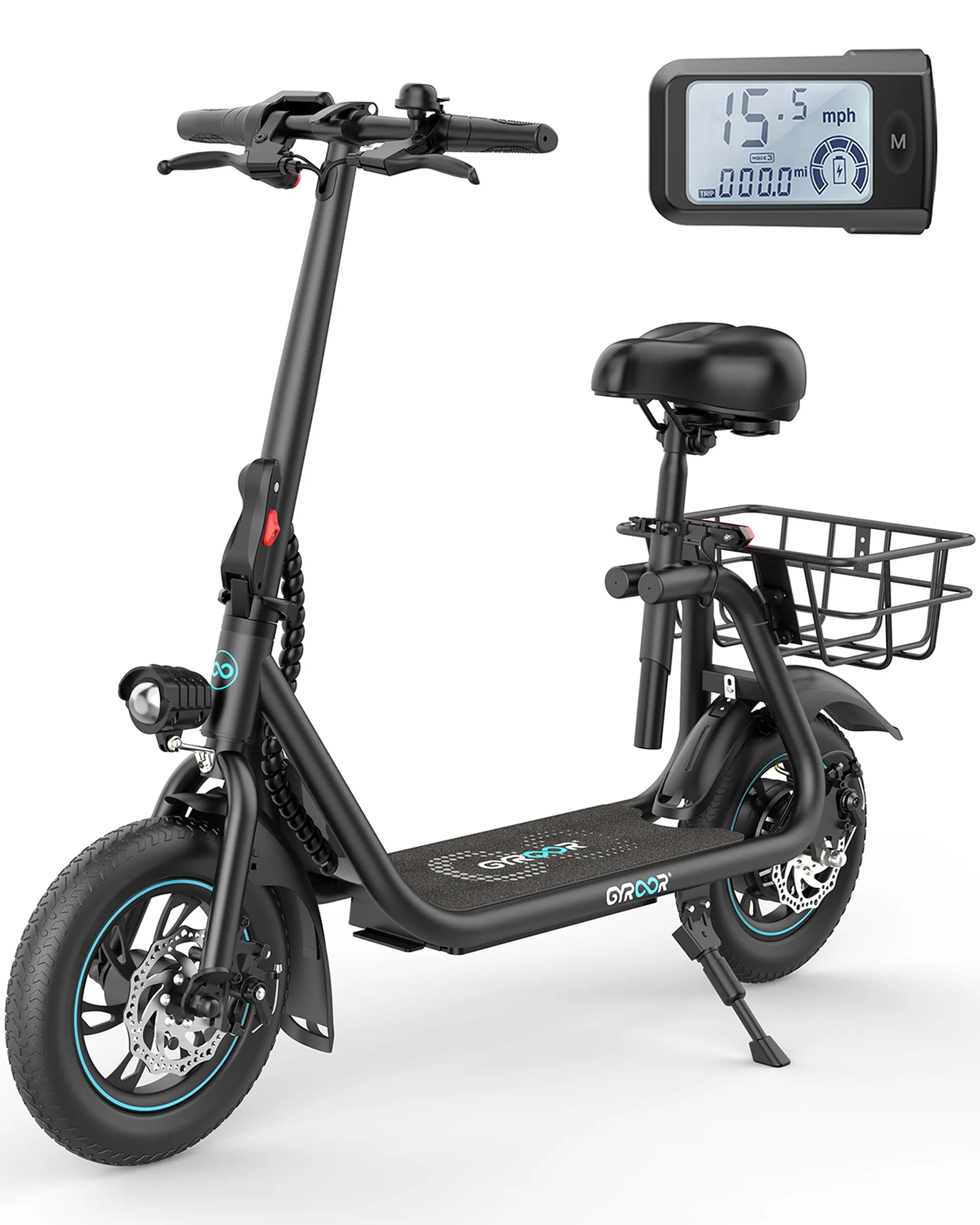
Remember, a local gear shop becomes a long-term resource for your riding journey. The relationship you build can provide ongoing support, maintenance tips, and community connections. Prioritize this local expertise for your core safety gear, just as discerning riders choose trusted brands for their performance vehicles. For those exploring the world of electric personal mobility, the same principles of safety, quality, and local support apply. Discover the full range of UL-certified, high-performance electric scooters and e-bikes designed for reliability. Browse the full Gyroor collection at gyroorboard.com.
Scooter to Sit On: The Ultimate Guide to Seated Electric Mobility
Cheap Dirt Bike Accessories: The Ultimate Budget Upgrade Guide