



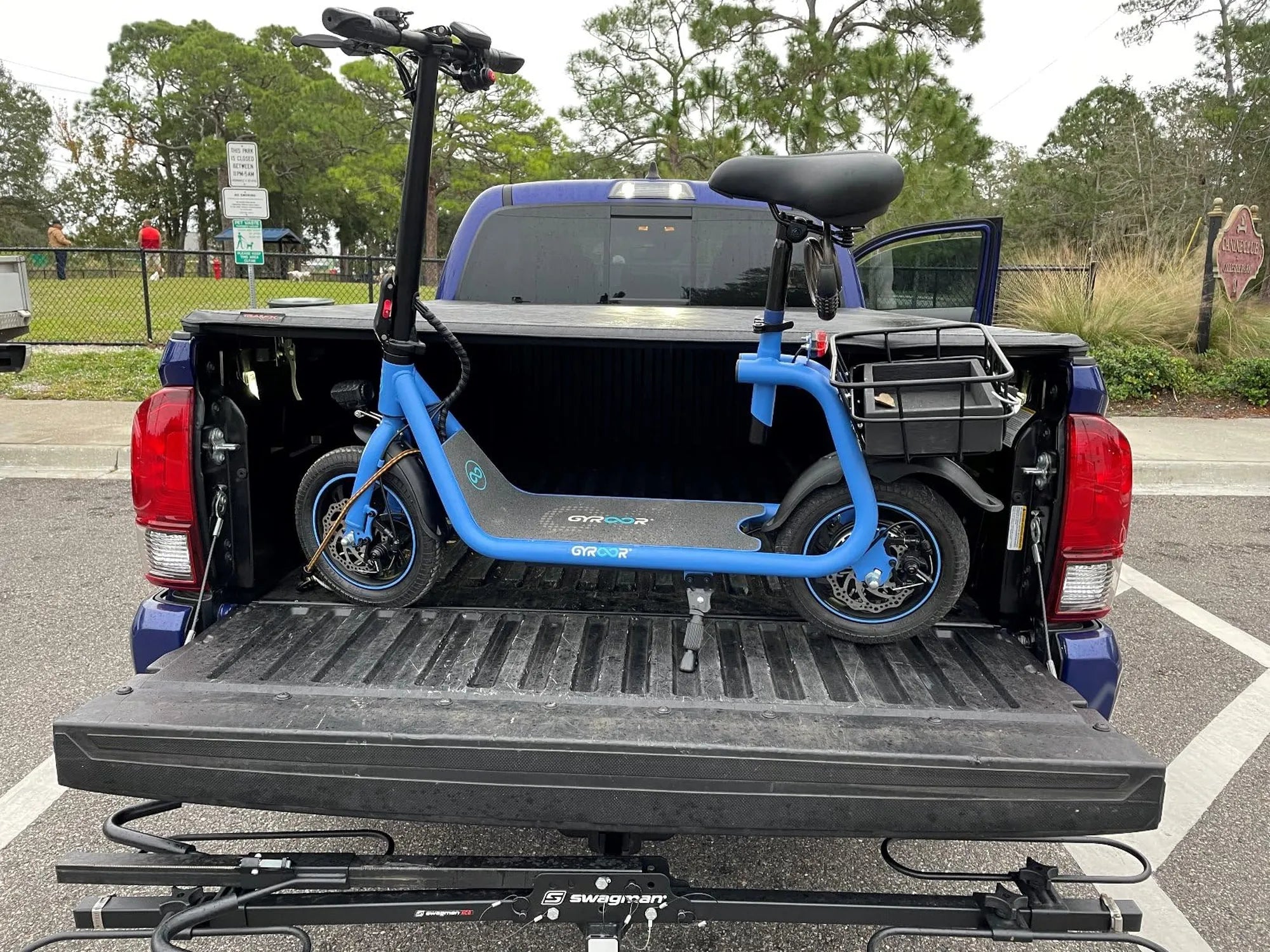
Electric scooters have surged in popularity as a convenient, eco-friendly mode of transportation. But with so many brands flooding the market, how do you decide which one is right for you? The answer isn't as simple as picking the most expensive or the most advertised option. Instead, it's about understanding your needs and matching them to the right features. Let's dive into the key factors that separate the best from the rest.
Performance and Range
When evaluating electric scooters, performance is a critical factor. Look for models with a powerful motor, as this determines how well the scooter handles inclines and accelerates. A scooter with a motor under 250W may struggle on hills, while one with 500W or more will offer a smoother ride. Range is equally important—how far can the scooter go on a single charge? If you plan to use it for commuting, aim for a range of at least 20 miles to avoid frequent recharging.
Build Quality and Durability
A well-built electric scooter should withstand daily use without falling apart. Check the materials used in the frame—aluminum alloy is a common choice for its balance of strength and lightness. Tires also matter: pneumatic (air-filled) tires provide better shock absorption than solid ones, but they require more maintenance. Water resistance is another key feature, especially if you'll be riding in wet conditions. Look for an IP rating of at least IP54 to ensure some level of protection against rain and splashes.
Safety Features
Safety should never be an afterthought. Reliable electric scooters come equipped with features like dual braking systems (disc and regenerative), bright LED lights for visibility, and responsive acceleration controls. Some models even include turn signals and anti-lock braking systems (ABS) for added security. Always prioritize scooters with these features, especially if you'll be riding in busy urban areas.
Portability and Weight
If you plan to carry your scooter onto public transport or up stairs, weight is a major consideration. Lightweight models (under 30 lbs) are easier to handle but may sacrifice durability or range. Foldable designs add convenience, but make sure the folding mechanism is sturdy and easy to use. Test the scooter's portability before committing—what seems manageable in theory might be impractical in real life.
Price vs. Value
Electric scooters range from budget-friendly to premium, but the cheapest option isn't always the most economical in the long run. Consider the total cost of ownership, including maintenance, replacement parts, and potential repairs. A mid-range scooter with a solid warranty and good customer support might save you money over time compared to a bargain model that breaks down frequently.
Customer Support and Warranty
A brand's reputation for customer service can make or break your experience. Read reviews to see how responsive the company is to issues like repairs or part replacements. A comprehensive warranty (at least one year) is a good sign that the brand stands behind its product. Avoid brands with a history of poor after-sales support, no matter how attractive their scooters seem.
User Reviews and Community Feedback
Real-world experiences from other riders are invaluable. Look for patterns in reviews—consistent complaints about battery life or build quality are red flags. Online forums and social media groups dedicated to electric scooters can also provide honest insights that you won't find in marketing materials.
Local Regulations
Before making a purchase, check your local laws regarding electric scooters. Some cities have speed limits, require helmets, or restrict where you can ride. Choosing a scooter that complies with these regulations will save you from fines or confiscation.
Finding the perfect electric scooter isn't about chasing a brand name—it's about identifying the features that align with your lifestyle and budget. Whether you prioritize speed, portability, or rugged durability, there's a model out there that fits the bill. Take the time to research, test ride if possible, and invest in a scooter that will keep you moving smoothly for years to come.
How Many Calories Do You Burn Mountain Biking: A Complete Guide
Electric Scooter vs Electric Motorcycle: Pros and Cons to Consider