



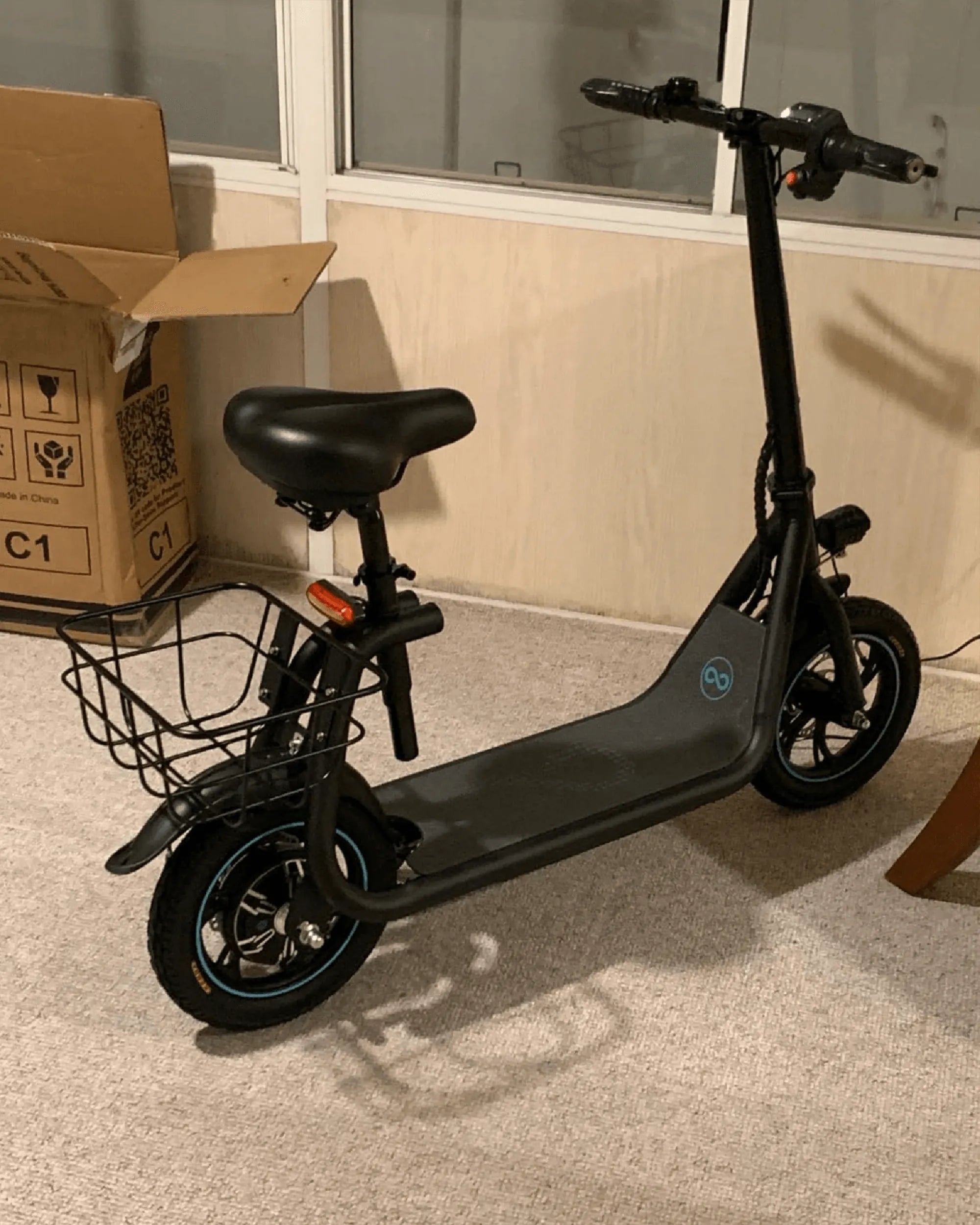
Electric bikes have revolutionized the way we commute, explore, and stay active. With so many options on the market, figuring out which electric bike to buy can feel like navigating a maze. Whether you're a daily commuter, a weekend adventurer, or someone looking to reduce their carbon footprint, this guide will help you find the perfect e-bike for your needs.
Understanding Electric Bike Basics
Before diving into the specifics, it's essential to understand the core components of an electric bike. The three main elements are the motor, battery, and pedal-assist system. The motor determines how much power the bike can deliver, the battery dictates how far you can ride, and the pedal-assist system influences how the bike responds to your pedaling.
Types of Electric Bikes
Electric bikes come in various styles, each designed for different purposes. Here are the most common types:
1. Commuter E-Bikes
Built for urban environments, commuter e-bikes prioritize comfort, efficiency, and practicality. They often feature upright seating, fenders, and racks for carrying belongings.
2. Mountain E-Bikes
Designed for off-road adventures, mountain e-bikes have robust frames, suspension systems, and powerful motors to tackle rough terrain.
3. Folding E-Bikes
Ideal for those with limited storage space or who need portability, folding e-bikes are compact and easy to transport.
4. Cargo E-Bikes
Perfect for hauling groceries, kids, or other heavy loads, cargo e-bikes offer stability and extra carrying capacity.
Key Features to Consider
When deciding which electric bike to buy, pay attention to these critical features:
Motor Power and Placement
Motors typically range from 250W to 750W. Hub motors are common in budget-friendly models, while mid-drive motors offer better balance and performance.
Battery Life and Range
Battery capacity is measured in watt-hours (Wh). A higher Wh means longer range, but consider your daily riding distance to avoid overpaying for unnecessary capacity.
Pedal-Assist Levels
Most e-bikes offer multiple assist levels, from eco-friendly low power to high-performance turbo modes. Test different settings to find what suits your riding style.
Frame Material and Weight
Aluminum frames are lightweight and affordable, while carbon fiber offers premium durability at a higher cost. Consider the bike's weight if you'll need to carry it often.
Budget Considerations
Electric bikes span a wide price range, from budget-friendly options under $1,000 to high-end models exceeding $5,000. Determine your budget early and prioritize features that matter most to you.
Test Riding and Reviews
Never buy an e-bike without test-riding it first. Pay attention to comfort, handling, and how the motor responds. Additionally, read reviews from other riders to gauge long-term reliability.
Legal and Safety Considerations
E-bike laws vary by region. Ensure your chosen model complies with local regulations regarding speed limits, helmet requirements, and where you can ride.
Ready to hit the road? The perfect electric bike is out there waiting for you. By considering your needs, budget, and the features outlined above, you'll be well on your way to finding the ideal ride. Happy cycling!
Best Electric Bike Conversion Kit with Battery UK: A Complete Guide
Mountain Biking Kananaskis: Trails, Tips, and Thrills in Alberta's Wild Playground