


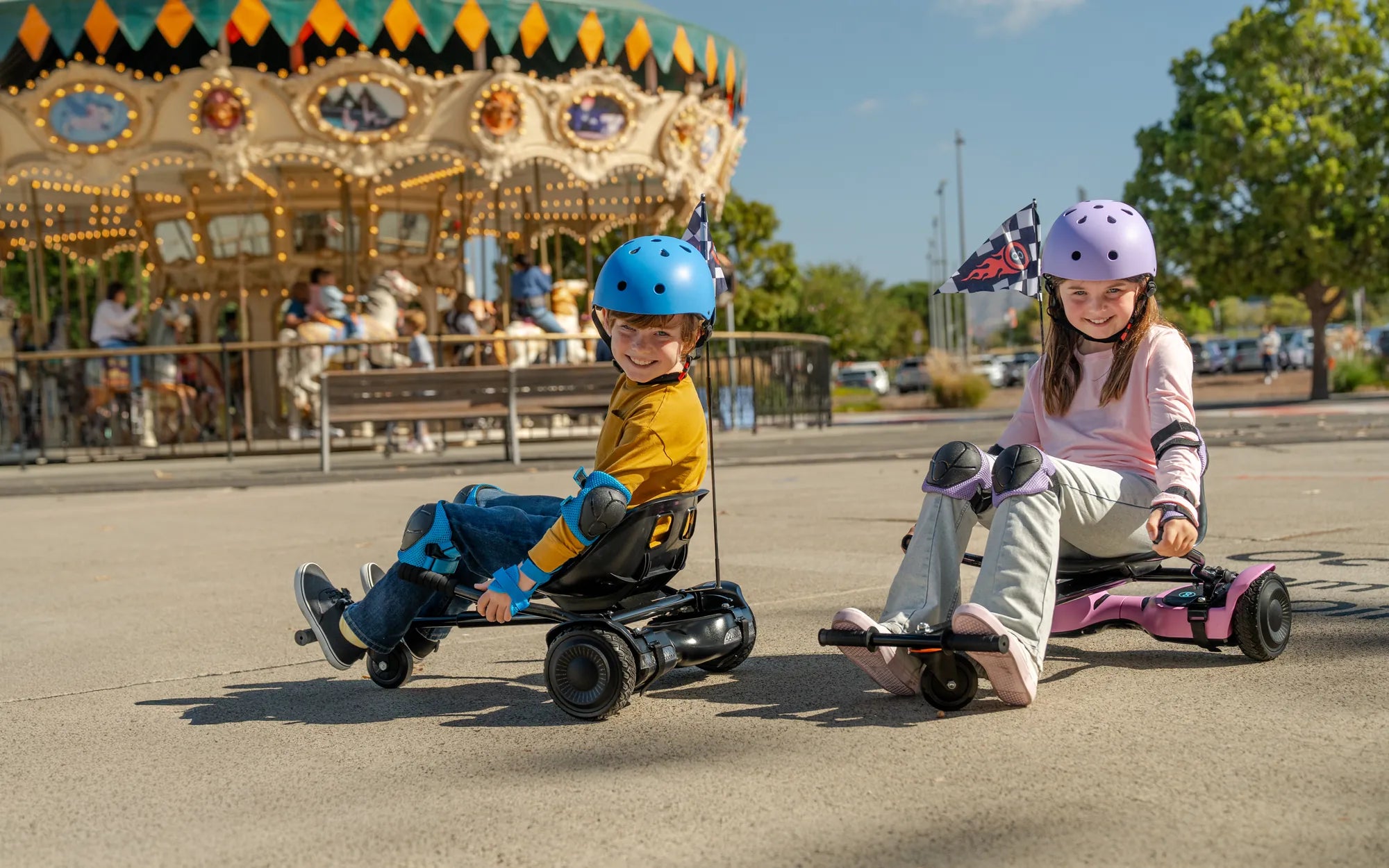
Self-balancing scooters, also known as hoverboards, have become a popular mode of personal transportation. Whether you're commuting short distances or just having fun, picking the right one can make all the difference. But with so many options available, how do you decide which self-balancing scooter is best for you? This guide will walk you through everything you need to know before making a purchase.
Key Factors to Consider When Buying a Self-Balancing Scooter
Before diving into specific models, it's essential to understand the critical features that determine a scooter's performance and suitability for your needs.
Battery Life and Charging Time
A long-lasting battery is crucial for uninterrupted rides. Most self-balancing scooters offer a range of 10 to 20 miles on a single charge, depending on the battery capacity. Lithium-ion batteries are the standard due to their efficiency and durability. Charging times typically range from 2 to 4 hours, so consider how often you'll need to recharge.
Speed and Range
Speed varies between models, with most scooters offering speeds between 6 to 12 mph. If you plan to use your scooter for commuting, opt for a faster model with a longer range. Beginners, however, may prefer a slower, more stable option.
Weight Capacity
Not all scooters can support the same weight. Check the manufacturer's recommended weight limit to ensure the scooter can handle your body weight comfortably. Most models support riders between 220 to 265 pounds.
Wheel Size and Terrain Compatibility
Larger wheels (8.5 inches or more) provide better stability and can handle rough terrain like grass or gravel. Smaller wheels (6.5 inches) are best for smooth surfaces like sidewalks and indoor use.
Safety Features
Look for scooters with UL2272 certification, which ensures they meet safety standards for electrical and fire hazards. Additional features like LED lights, non-slip foot pads, and beginner modes can enhance safety.
Types of Self-Balancing Scooters
Self-balancing scooters come in different styles, each catering to specific needs.
Standard Hoverboards
These are the most common type, featuring two wheels and a central platform. They are lightweight, portable, and great for casual riding.
Off-Road Hoverboards
Designed for rugged terrain, these models have larger, more durable wheels and enhanced suspension systems. They are ideal for outdoor adventures.
Self-Balancing Electric Unicycles
These single-wheel scooters require more skill to ride but offer greater speed and agility. They are best suited for experienced riders.
Budget Considerations
Self-balancing scooters range from budget-friendly options under $200 to premium models exceeding $1,000. While cheaper models may lack advanced features, they can still be a good choice for beginners. High-end scooters often come with better build quality, longer battery life, and additional safety features.
Where to Buy
You can purchase self-balancing scooters from online retailers, electronics stores, or specialty shops. Always buy from reputable sellers to ensure you receive a genuine, certified product with a warranty.
Final Thoughts
Choosing the right self-balancing scooter depends on your specific needs, budget, and riding preferences. By considering factors like battery life, speed, weight capacity, and safety, you can find the perfect scooter for your lifestyle. Ready to take the plunge? Your next ride is just a decision away!
Electric Scooter for Kids 13 Years Old: The Ultimate Guide for Parents
Self Balancing Scooter Problems: Common Issues and How to Fix Them